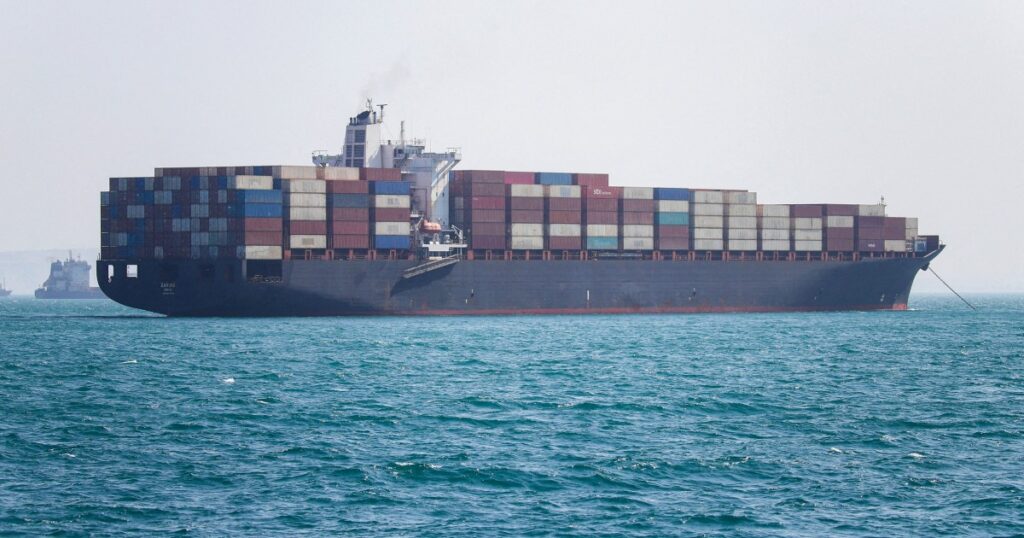
President Trump pauses Project Freedom, a U.S. mission to escort ships through the Strait of Hormuz, amid escalating clashes with Iran and ongoing peace talks. Despite recent attacks and counterattacks, officials say the ceasefire remains intact as diplomatic efforts continue.
Posts tagged as “Carnegie China”
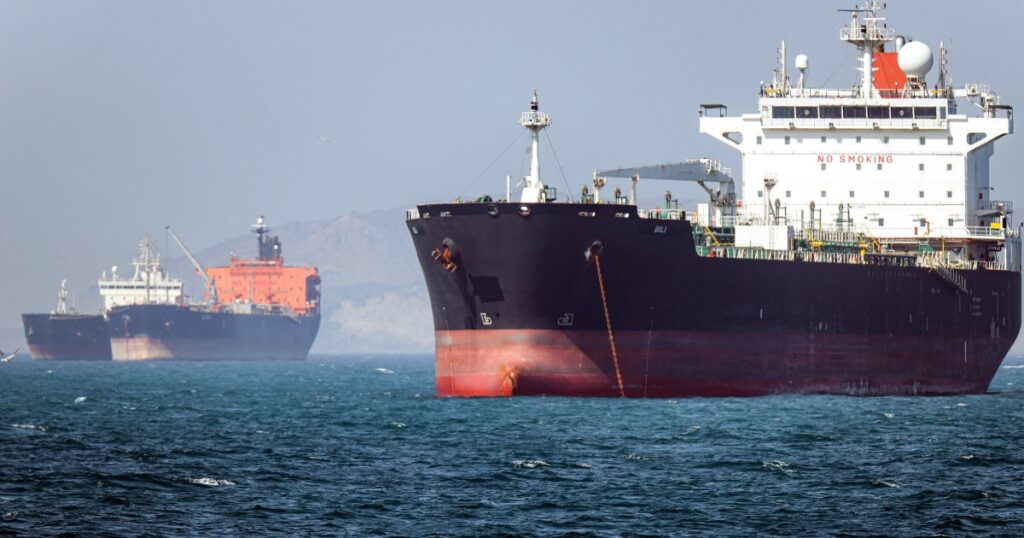
The U.S. pauses Project Freedom in the Strait of Hormuz amid ongoing Iranian missile and drone attacks on Gulf vessels. Despite renewed violence, officials say the ceasefire holds as diplomatic talks advance.
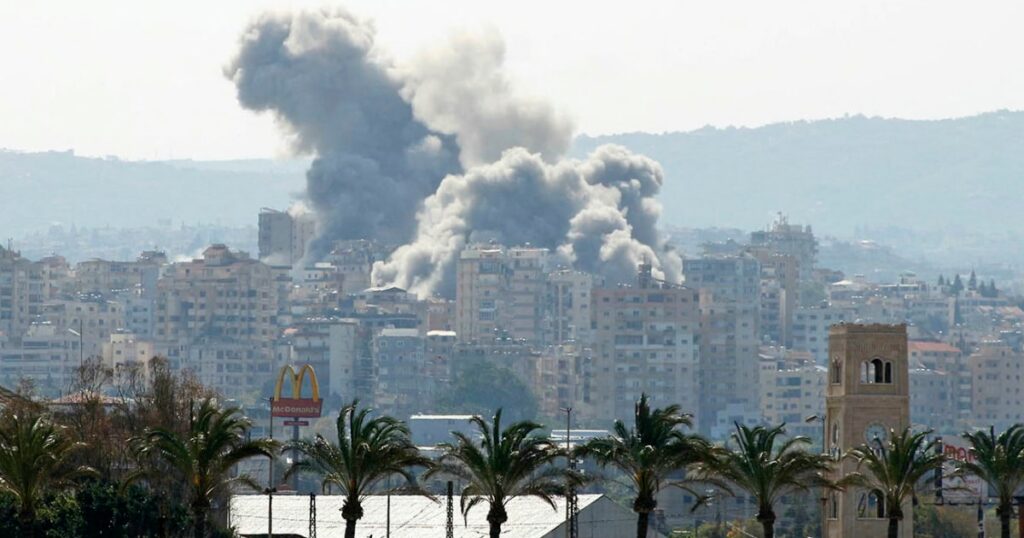
A 10-day ceasefire between Israel and Lebanon begins amid ongoing conflict with Hezbollah and regional tensions involving Iran. The truce aims to pave the way for peace talks, though challenges remain as violations and military deployments continue.
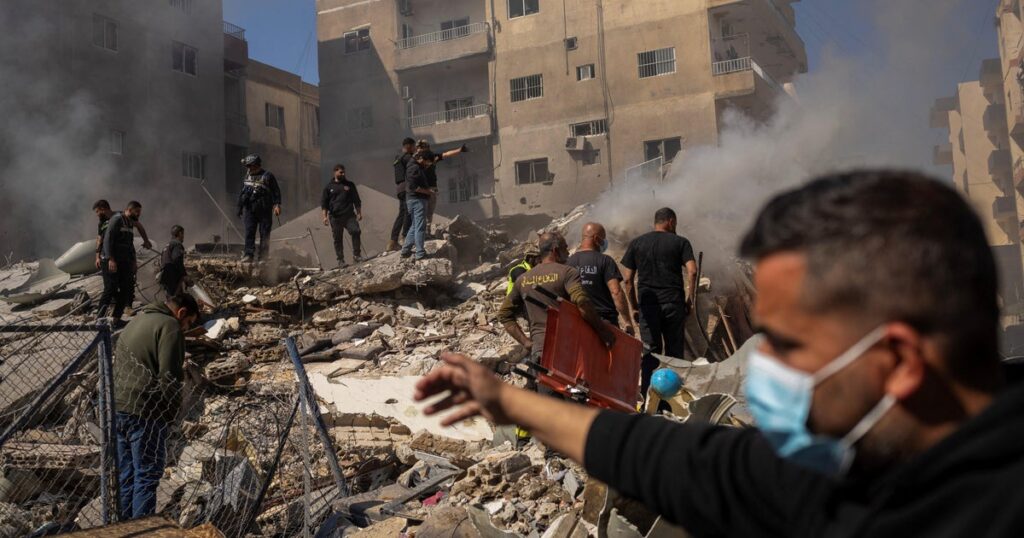
A two-week ceasefire between Iran and the U.S. takes effect amid ongoing Israeli strikes in Lebanon. While markets rally and tanker traffic resumes in the Strait of Hormuz, Israel continues its campaign against Hezbollah, complicating prospects for lasting peace.
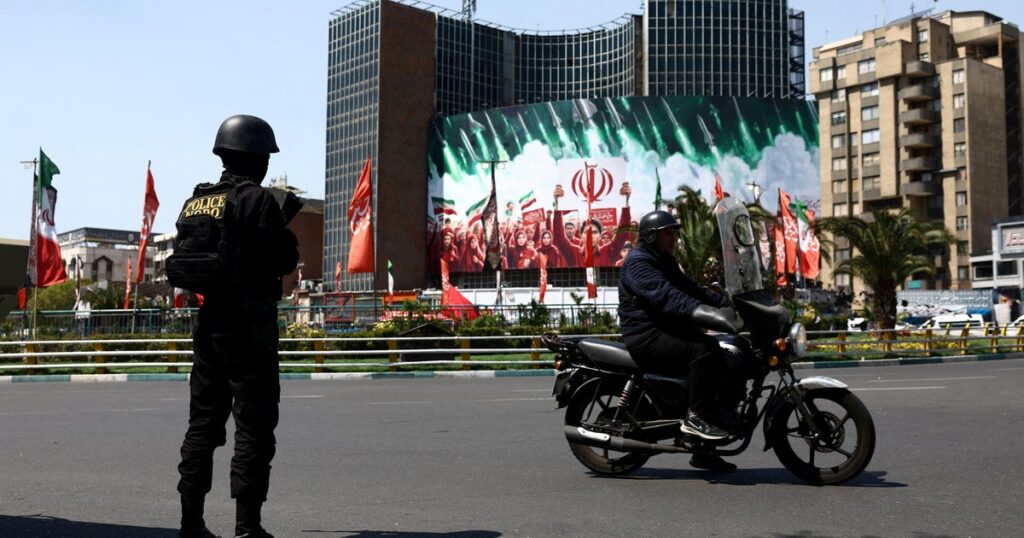
President Donald Trump indicated that U.S. military operations against Iran could end within two to three weeks, leading to a decline in oil prices and gains in global stock markets amid hopes for de-escalation. Trump also threatened to withdraw the U.S. from NATO over European allies’ lack of support for the Iran campaign, raising concerns among members and potentially benefiting Russia. Meanwhile, Pakistan has offered to mediate peace talks between the U.S. and Iran, backed by regional powers, but its efforts are complicated by ongoing conflict with Afghanistan that threatens regional stability.
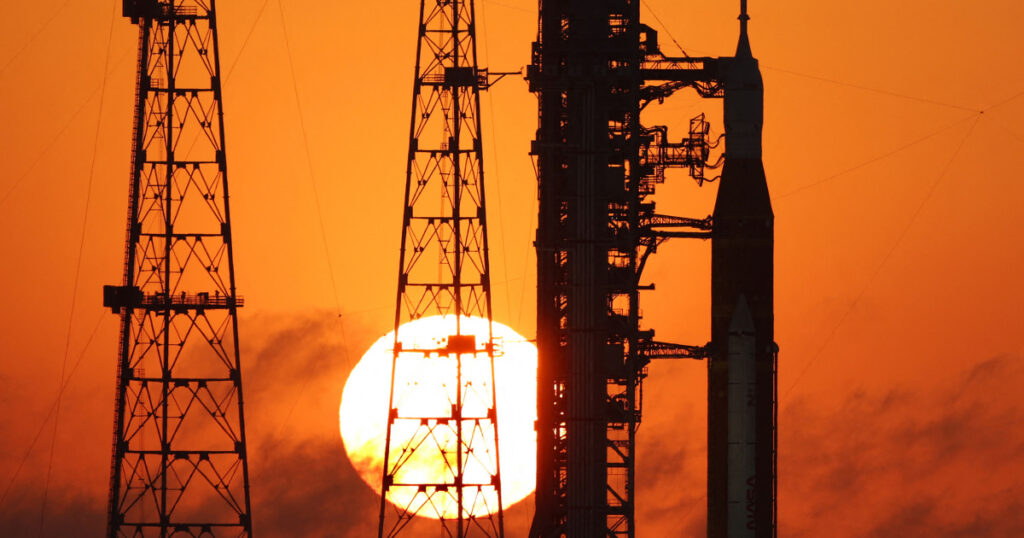
NASA is preparing to launch Artemis II, the first crewed lunar mission in over 50 years, sending four astronauts on a nine-day journey orbiting the moon as a critical step toward establishing a sustainable human presence on the lunar surface and future Mars missions. The crew, led by commander Reid Wiseman and including the first Canadian to travel beyond low-Earth orbit, will fly aboard the Space Launch System rocket and Orion spacecraft, both developed over nearly two decades at a combined cost exceeding $44 billion. Despite challenges such as high costs and technical issues, Artemis II aims to advance long-term lunar exploration, maintain U.S. leadership in space, and inspire a new era of human spaceflight.
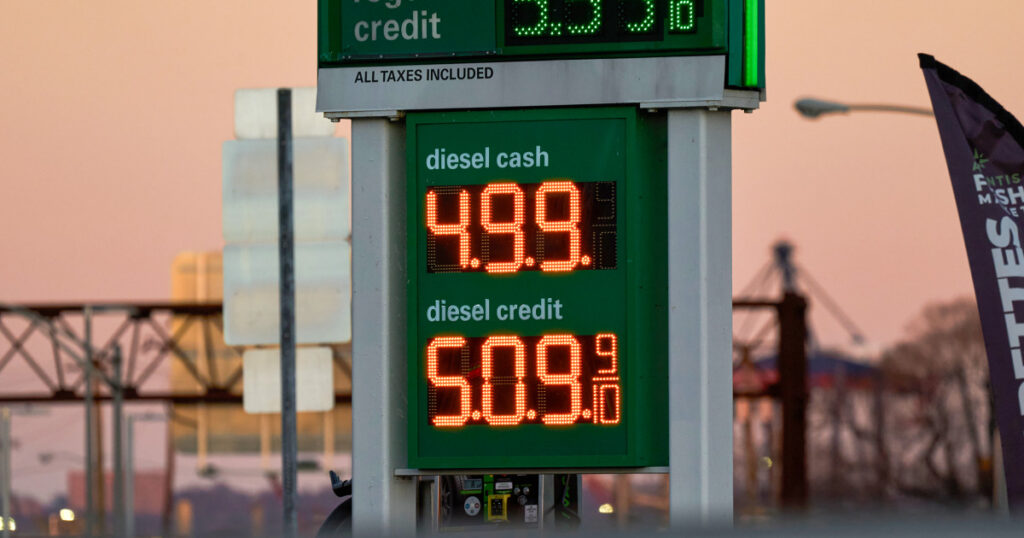
Gasoline and diesel prices in the U.S. have surged to levels not seen since mid-2022, driven by escalating conflict involving Iran and disruptions to oil supply through the Strait of Hormuz. The war has caused crude oil prices to rise sharply, with diesel reaching $5.45 per gallon and gasoline surpassing $4.00, leading to significant economic impacts such as reduced consumer spending and increased household fuel expenses. Globally, energy-dependent countries face inflation and economic slowdowns as the conflict continues to disrupt oil markets.
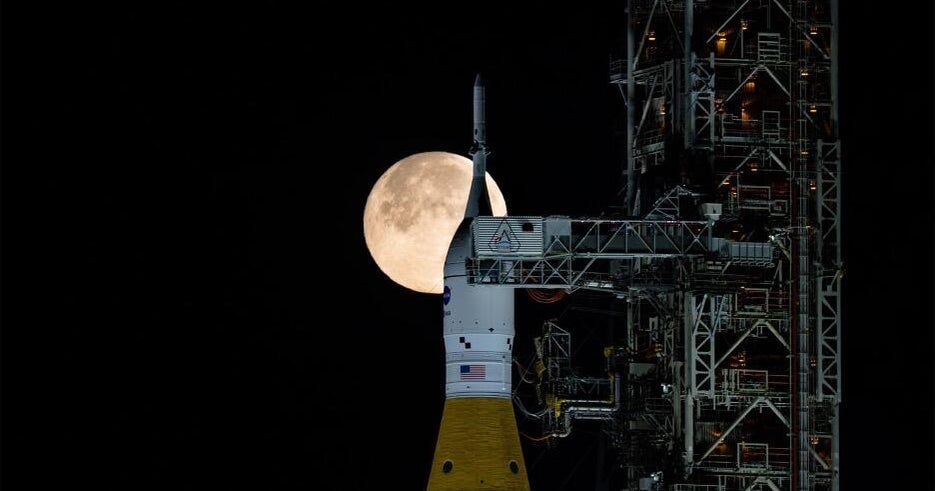
NASA will launch the Artemis II mission on April 1, sending four astronauts on a nine-day journey around the moon and back, marking the first crewed flight of the Space Launch System rocket and Orion spacecraft. The mission will test Orion’s systems in deep space without landing on the moon, aiming to surpass the Apollo 13 distance record and gather valuable data for future lunar exploration. Artemis II is a key step toward NASA’s goal of establishing a sustainable human presence on the moon, with subsequent missions planned to achieve crewed lunar landings by 2028.