
California Governor Gavin Newsom and Attorney General Rob Bonta have filed a lawsuit against the Trump administration, challenging the use of emergency powers to impose tariffs on U.S. trading partners. The lawsuit, submitted to the U.S. District Court for the Northern District of California, argues that former President Trump exceeded his authority under the International Emergency Economic Powers Act, infringing upon the constitutional separation of powers by bypassing necessary congressional approval. This legal action seeks to reinforce the requirement for congressional involvement in economic decisions, potentially impacting the balance of power between the executive and legislative branches regarding international trade policy.
Posts tagged as “Carnegie China”
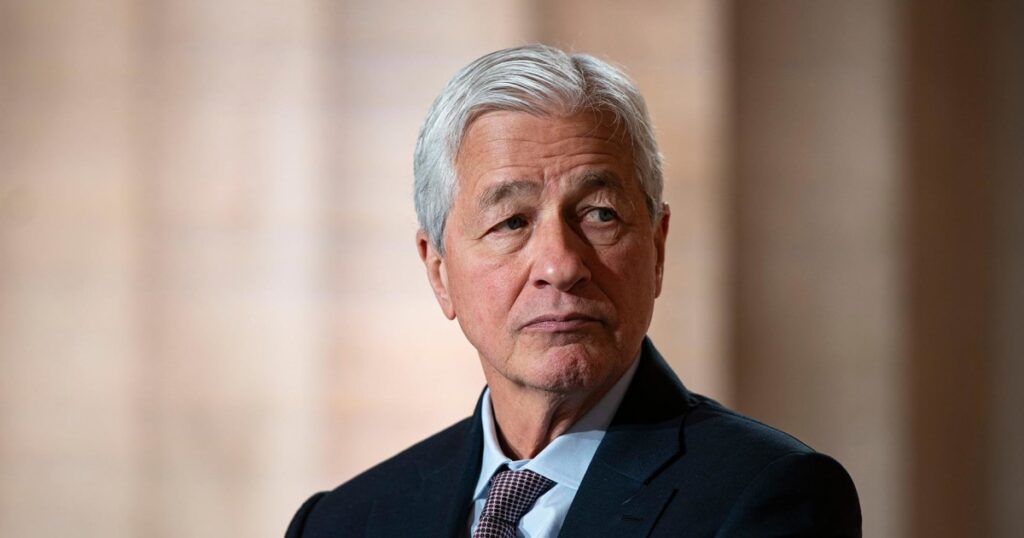
Following the announcement that certain electronics would be exempt from tariffs on Chinese imports, technology stocks experienced a notable rally, benefiting companies like Apple and Nvidia. This exemption alleviated concerns about potential price increases for products manufactured in China, highlighting the sensitivity of tech stocks to trade policy developments. Despite the positive market response, a survey revealed that 62% of U.S. CEOs anticipate an economic downturn within six months, reflecting growing concerns about economic stability amid fluctuating trade policies.
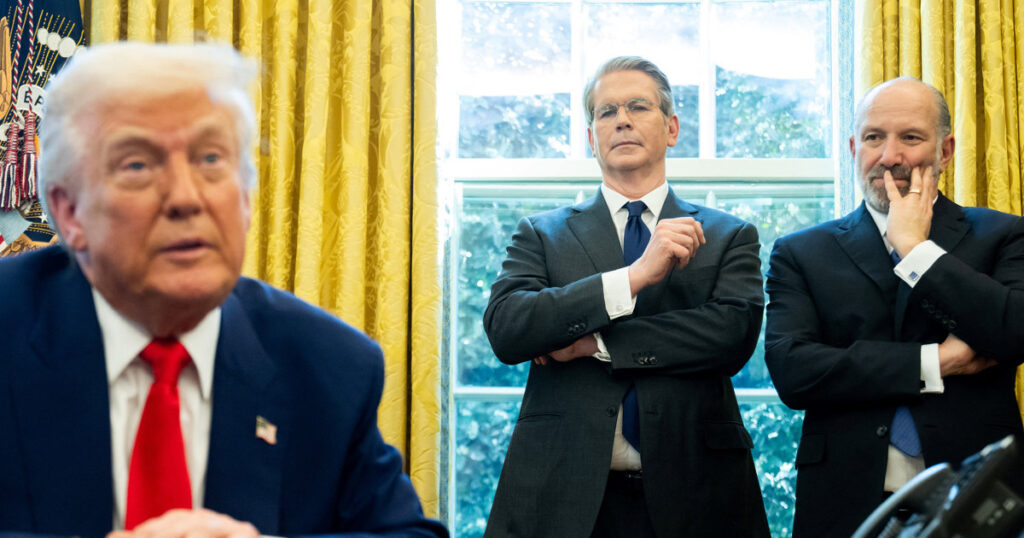
Recent developments in financial markets have shown unusual patterns, with both government bonds and stocks experiencing declines, contrary to their typical inverse relationship. This has raised concerns among global investors about confidence in the U.S. economy, further complicated by ongoing trade tensions with China, which have notably impacted American farmers, particularly in the Midwest. Neel Kashkari, president of the Federal Reserve Bank of Minneapolis, highlighted the challenges faced by these farmers due to tariffs, especially affecting soybean exports, a key product for states like Minnesota.

The U.S. Customs and Border Protection office has announced exemptions for several high-tech products, including smartphones and computers, from the newly imposed 145% tariffs on Chinese imports, potentially shielding American consumers from price hikes. This decision is particularly significant for companies like Apple, which rely on Chinese manufacturing, as it could prevent substantial price increases and supply chain disruptions. By excluding key technology items from the high tariffs, the U.S. government aims to mitigate the economic impact on consumers and businesses, maintaining the affordability and accessibility of essential electronic devices.
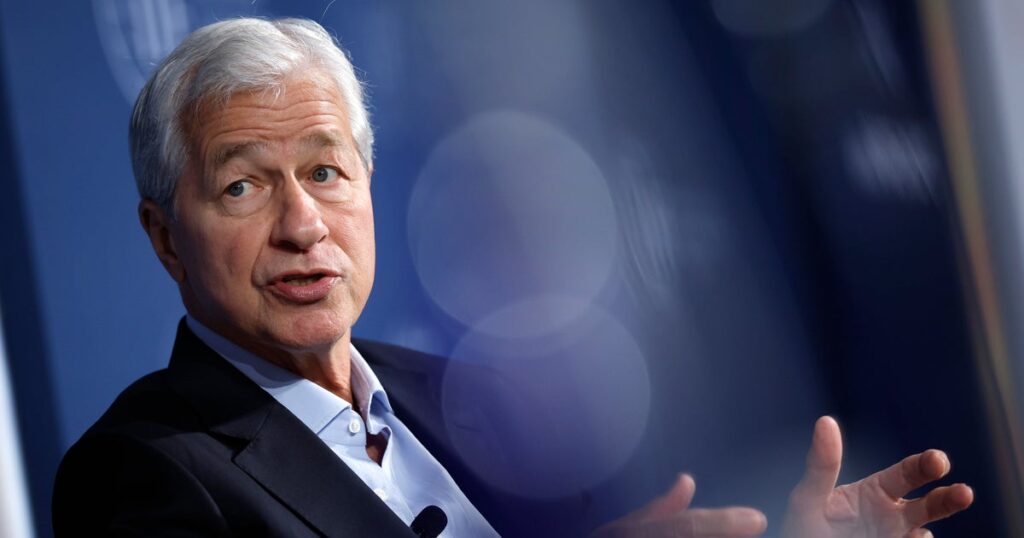
JPMorgan Chase CEO Jamie Dimon discussed the mixed economic landscape during a recent earnings call, highlighting both potential benefits from tax reform and deregulation and risks from tariffs, trade tensions, and high fiscal deficits. Despite increased revenues from stock trading activities, Dimon noted a 50-50 chance of a recession this year, reflecting the precarious economic climate. Rapid changes in U.S. trade policy have raised concerns about inflation and recession, but Dimon remains optimistic about potential trade negotiations, although tensions with China persist.
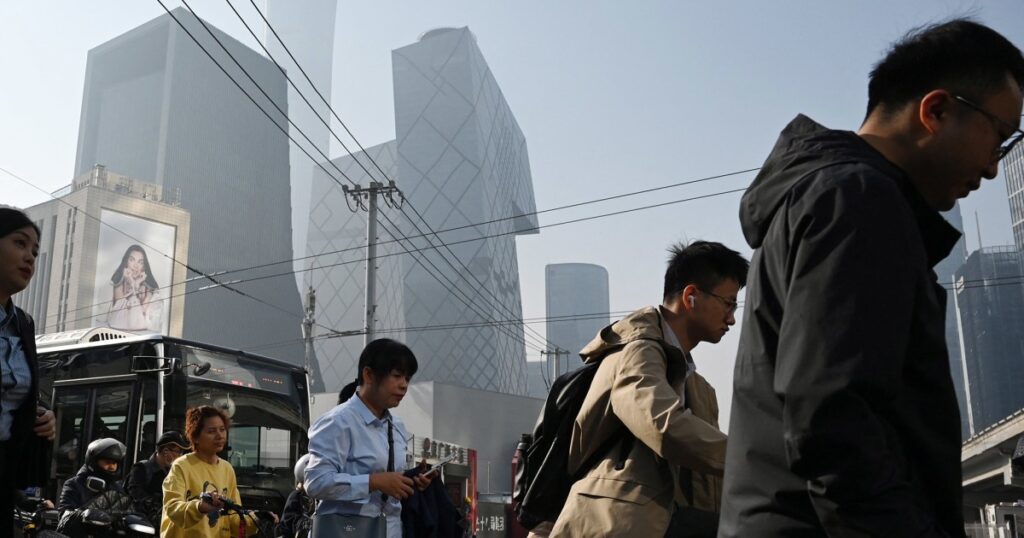
China has announced a significant increase in tariffs on U.S. products to 125%, escalating the ongoing trade war in response to what it views as excessively high U.S. tariffs. This decision affected financial markets, causing initial fluctuations in U.S. stocks before they stabilized as investors assessed the situation. Experts highlight the challenges in diplomatic communication between the two nations, with analysts suggesting that the U.S. approach may hinder progress in resolving the trade tensions.