
Cybersecurity firm Nisos uncovered a sophisticated North Korean scheme involving at least 20 operatives using stolen American identities to secure remote jobs at U.S. companies, funneling money back to North Korea and potentially stealing sensitive information. The investigation revealed the operatives applied to over 160,000 U.S. job roles and communicated frequently in English, with the FBI and law enforcement labeling the scheme a significant national security threat. These activities help North Korea evade sanctions and fund illicit programs, while U.S. authorities continue to address related security and political challenges domestically and internationally.
Posts tagged as “Carnegie China”
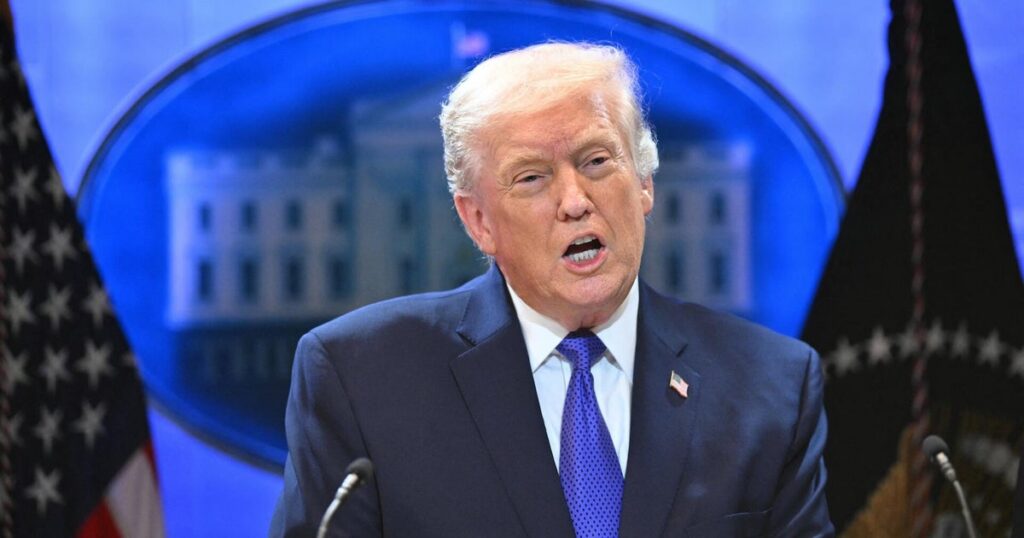
The Trump administration has launched multiple trade investigations into over a dozen countries, including the EU, China, and Mexico, focusing on "structural excess capacity" in manufacturing that may harm U.S. wages and market access. These probes, conducted under Section 301 of the Trade Act, aim to determine whether new tariffs should be imposed before the current global 10% tariff expires in July, with potential increases to 15% also under consideration. Additionally, separate investigations will target forced labor compliance in about 60 countries, raising concerns among U.S. trading partners and threatening recent trade agreements.
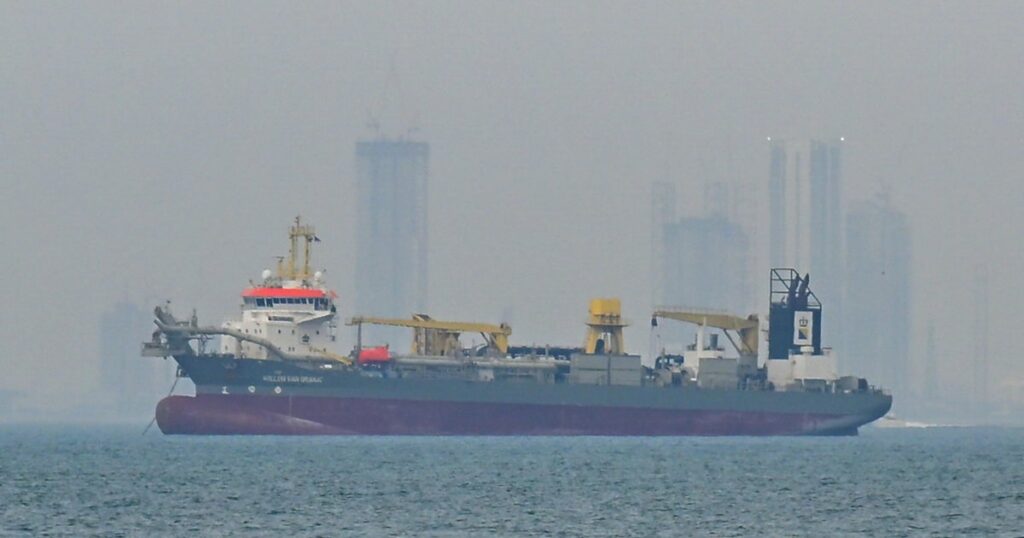
The U.S. government, through the International Development Finance Corporation (DFC), has launched a new initiative to provide political risk insurance for ships navigating the Persian Gulf amid escalating attacks and rising insurance premiums. This program, in partnership with insurer Chubb, aims to ensure the continued flow of energy supplies through the Strait of Hormuz by covering losses up to $20 billion, addressing the withdrawal of private war risk coverage. The move responds to recent vessel attacks that have drastically reduced maritime traffic and driven up global oil prices, though it raises concerns about potential financial risks for American taxpayers and the scope of coverage for non-U.S. ships.
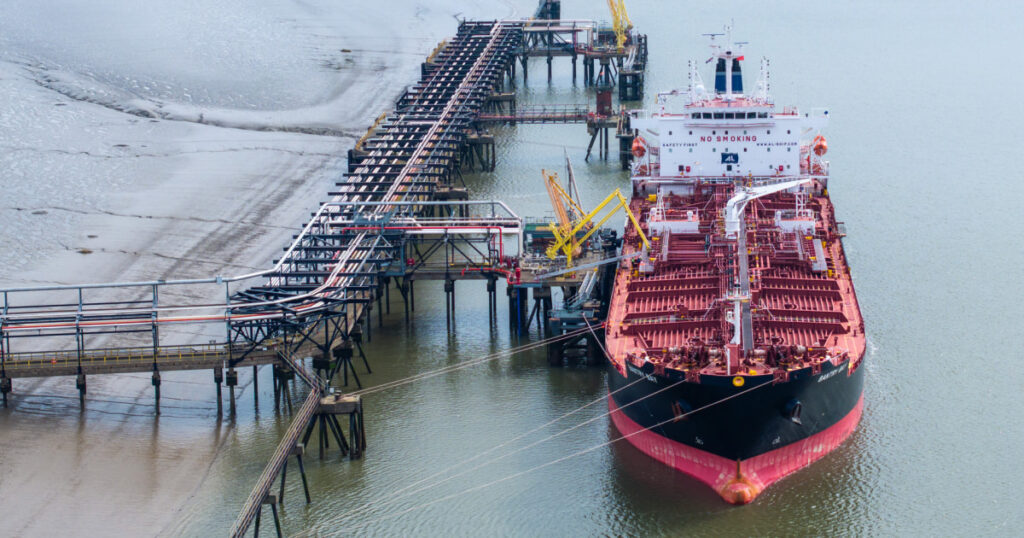
The International Energy Agency (IEA) announced a historic release of 400 million barrels of oil from emergency reserves to counter soaring energy prices caused by the closure of the Strait of Hormuz amid tensions with Iran. This unprecedented collective action by 32 member countries aims to mitigate significant supply disruptions, though analysts warn it may only provide limited short-term relief given the scale of the deficit and logistical delays. The situation remains volatile, with sustained price stability dependent on reopening the crucial maritime route and securing long-term energy supply solutions.
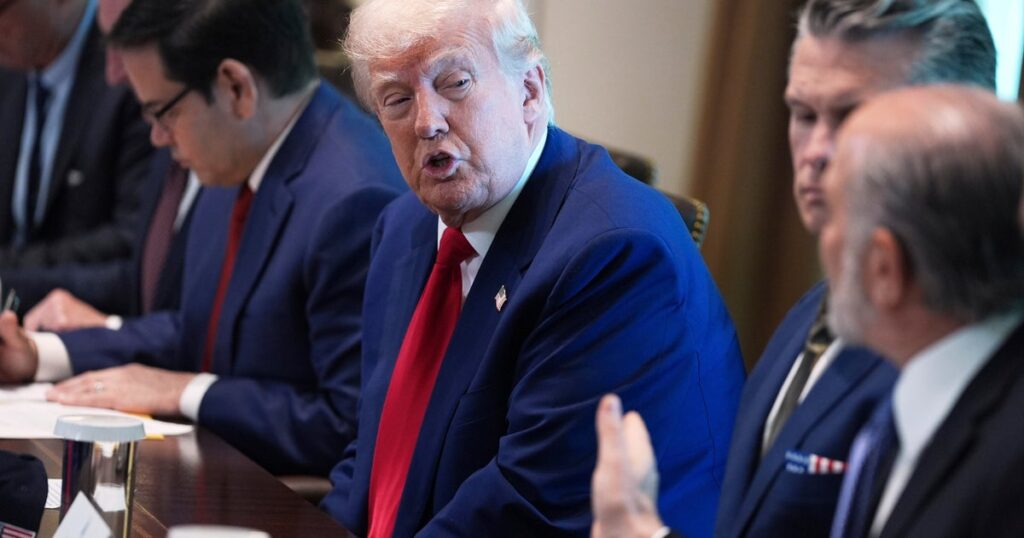
President Donald Trump has addressed concerns about tariffs on Chinese imports, asserting that the primary burden falls on China, though acknowledging potential temporary impacts on American consumers, such as reduced availability of certain goods and slightly higher prices. During a Cabinet meeting, he emphasized that the economic strain is greater for China and suggested that many Chinese imports are non-essential for Americans, potentially limiting the impact on the U.S. market. Despite criticism that the tariffs could cause domestic economic challenges, Trump defends them as necessary for correcting trade imbalances and protecting American industries, while also dealing with frustrations over stalled Russia-Ukraine peace talks, adding complexity to his foreign policy agenda.
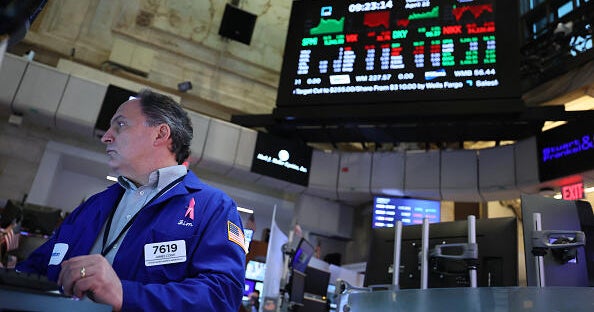
Businesses are facing challenges due to tariffs imposed by President Trump, as they receive notifications of rising costs from suppliers and grapple with the uncertainty of passing these costs onto consumers. Meanwhile, financial markets experienced a significant boost following President Trump's comments on potentially reducing tariffs on China and his assurance of Federal Reserve Chair Jerome Powell's position, which alleviated investor concerns. Major stock indices, including the S&P 500, Nasdaq Composite, and Dow Jones Industrial Average, saw substantial gains, reflecting optimism about easing trade tensions and stable economic leadership.
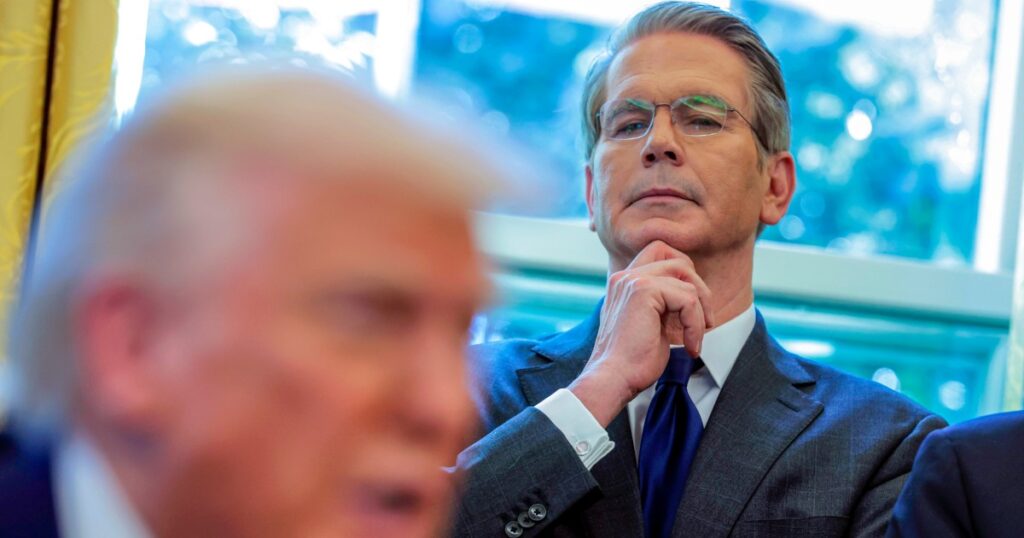
In a recent address at the Institute of International Finance, Treasury Secretary Scott Bessent emphasized the Trump administration's focus on rebalancing the U.S. economy towards manufacturing, highlighting that over 100 countries have approached the U.S. to address trade imbalances. He urged China to shift away from its export-led growth model, describing it as "unsustainable," and expressed the need for economic rebalancing between the two nations, aligning with the administration's goal of enhancing U.S. manufacturing. Amidst ongoing trade tensions, Bessent suggested the potential for a significant trade agreement with China, though he did not indicate any immediate changes to the administration's assertive trade policies.
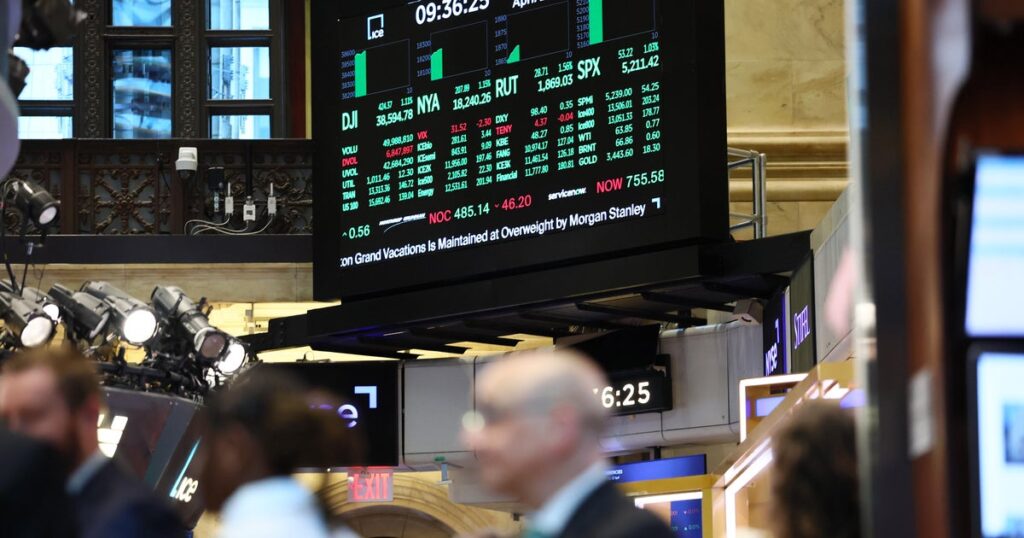
Recent developments in U.S. stock markets show an uplift following President Trump's conciliatory approach towards China tariffs and his assurance of no immediate changes in Federal Reserve leadership, particularly retaining Jerome Powell as Chair. This shift in stance led to a positive response in stock futures, with significant gains in S&P 500, Nasdaq Composite, and Dow Jones Industrial Average futures, as analysts noted increased demand for U.S. assets. Additionally, Elon Musk's decision to focus more on Tesla by reducing his advisory role to the Trump administration has been positively received, contributing to the overall optimistic outlook among investors.