
The United States Senate unanimously passed a bill to address a provision in recent government funding legislation that threatened to cut Washington, D.C.'s budget by approximately $1 billion. This bipartisan bill, introduced by Senators Susan Collins and Chris Van Hollen, allows the District to maintain its current level of local fund spending, countering the House Republican continuing resolution that had initially included the budget cuts. The swift passage of the bill highlights the urgency and bipartisan support to protect D.C.'s financial interests, ensuring the well-being of its residents amid ongoing budget negotiations.
Posts tagged as “Arizona Senate”
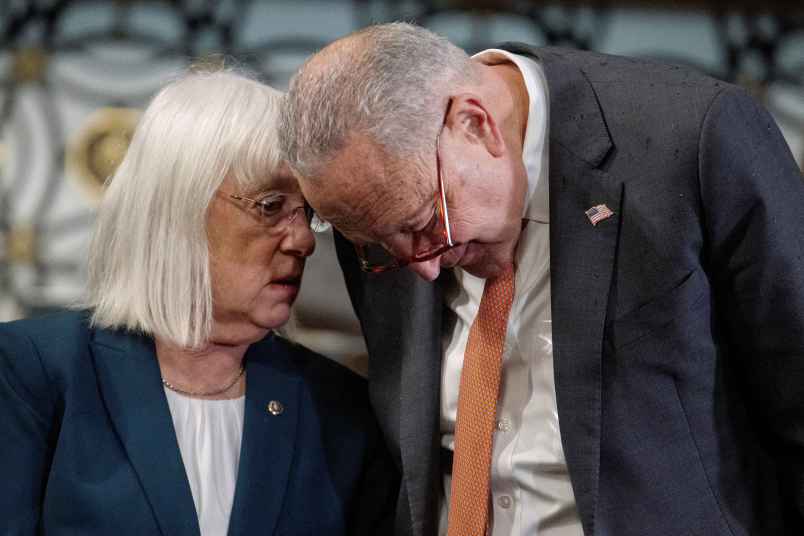
Senate Democrats are facing internal disagreements on how to respond to the GOP's proposed continuing resolution (CR) to fund the government, with Senate Minority Leader Chuck Schumer initially considering a vote on an amendment to the GOP's CR. Former House Speaker Nancy Pelosi has urged Democrats to oppose the GOP bill and instead support a shorter-term funding solution to prevent a government shutdown. Ultimately, Senate Democrats, led by appropriations leaders, decided to abandon the amendment push, highlighting a division within the party and testing Schumer's leadership as they weigh their options in this legislative conflict.
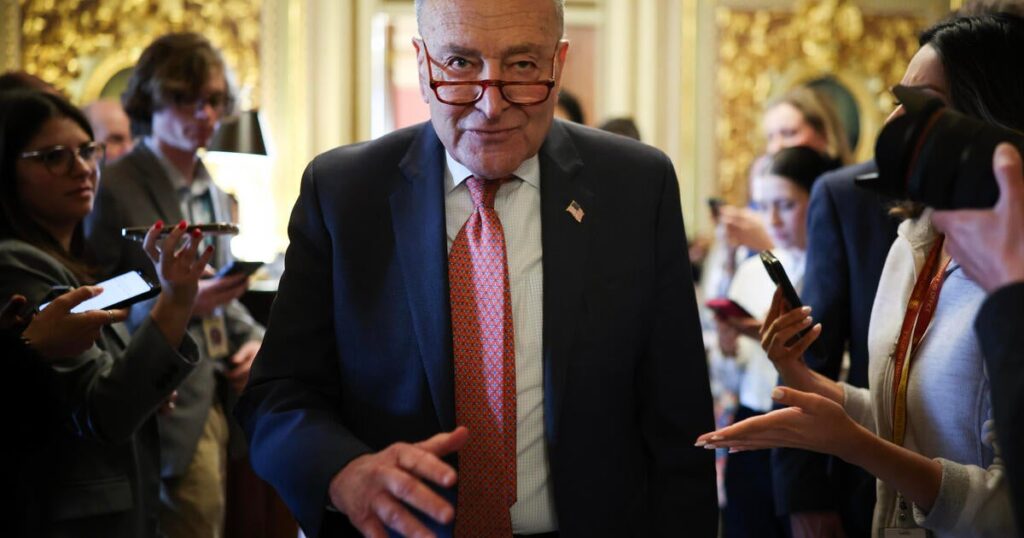
The Senate is set to vote on a Republican-led stopgap measure to prevent a government shutdown, requiring a 60-vote threshold to advance to a final vote. Senate Minority Leader Chuck Schumer has announced his support for the bill, despite pressure from his party's left wing and House Democrats to oppose it, providing political cover for other Democrats who may choose to support the measure. The outcome of the procedural vote remains uncertain, with Democrats needing to decide whether to join Republicans in securing the necessary votes to keep the government operational.

In a notable move, Senate Minority Leader Chuck Schumer announced his support for a Republican-backed six-month funding bill to prevent an impending government shutdown, despite opposition from many Senate Democrats. Schumer described the situation as a "Hobson's choice," emphasizing the limited options and potential chaos of a shutdown, marking a significant concession from his previous stance. This decision, following a contentious caucus meeting, highlights the complexities of bipartisan negotiations in the Senate amid pressing deadlines.
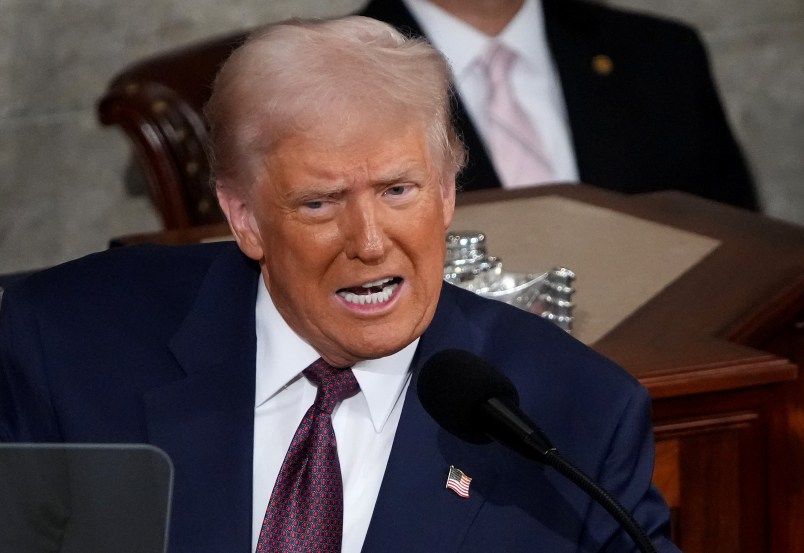
In early September, Senator Patty Murray expressed concerns about challenges in reaching a government funding agreement, citing issues like blocked funding and the involvement of an unelected billionaire in the payment system. Amidst these tensions, Senate Minority Leader Chuck Schumer announced his support for a Republican-backed funding bill to prevent a government shutdown, indicating it would likely pass in the Senate. Despite facing opposition from Senate Democrats, Schumer's decision highlighted the urgency of avoiding a shutdown and the complexities of bipartisan negotiations.
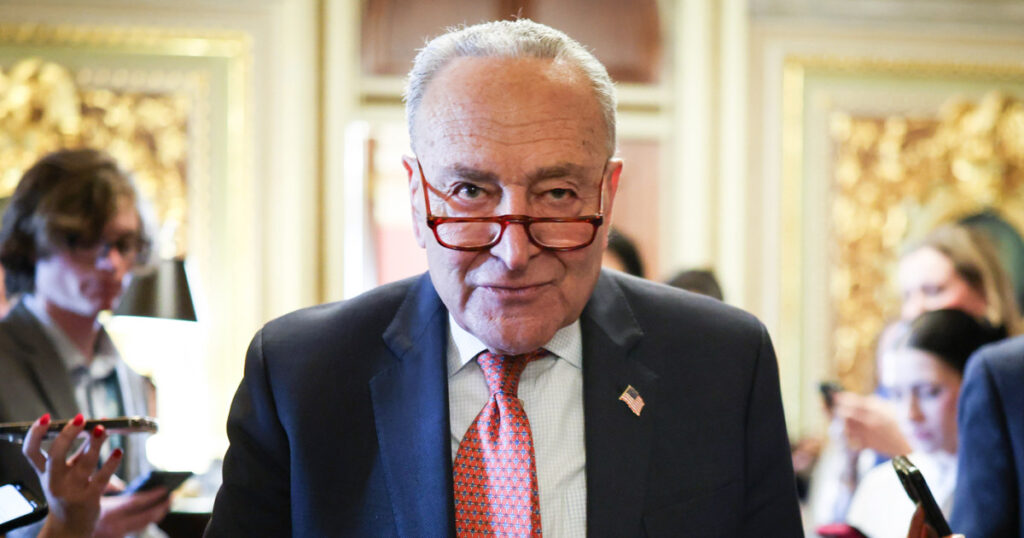
In a notable shift on Capitol Hill, Senate Majority Leader Chuck Schumer has decided to back a Republican-led continuing resolution aimed at preventing a government shutdown, despite facing opposition from within his party. This resolution, which has already cleared the House, proposes significant cuts to domestic spending, particularly affecting Washington D.C., and is expected to surpass the 60-vote threshold needed in the Senate. Schumer's decision underscores the strategic compromises often required in Congress to ensure governmental operations continue, with the outcome likely influencing domestic spending priorities and the political balance in Washington.
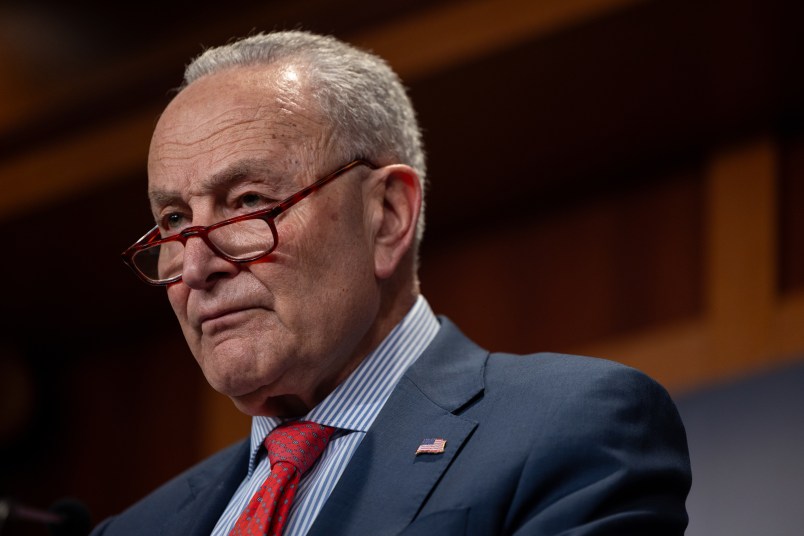
Senate Democrats are deliberating on a strategic approach involving a Republican-backed bill to extend government funding for six months, alongside a Democratic 30-day funding alternative that faces significant hurdles. With the funding deadline looming, Democrats must decide whether to support the Republican measure or risk a government shutdown, as the bill requires bipartisan support to advance. Senate Minority Leader Chuck Schumer is pushing for a vote on the Democratic 30-day resolution, introduced earlier by Democratic appropriators, as both parties work against the clock to prevent a shutdown.
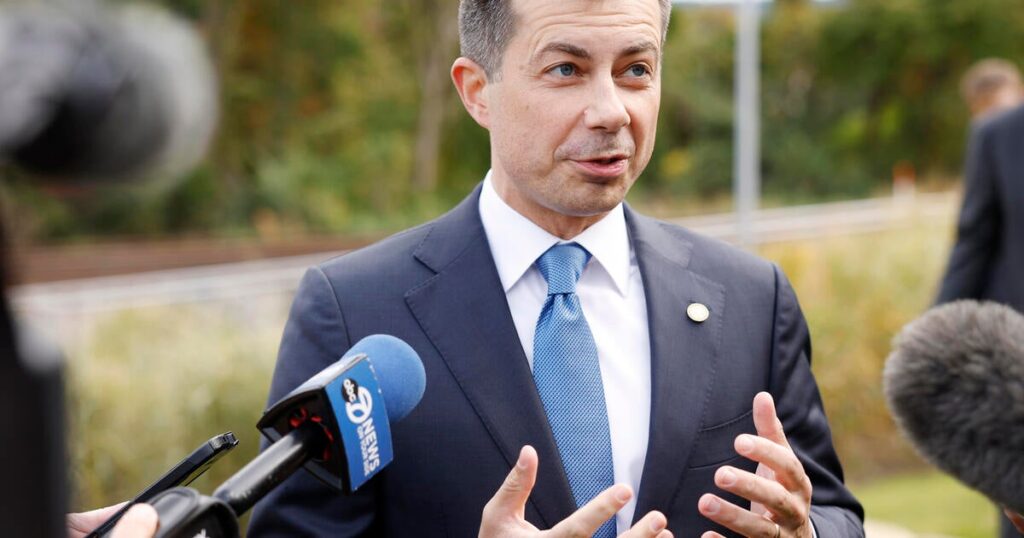
Michigan Senator Gary Peters has announced he will not seek reelection, sparking discussions about potential candidates for his Senate seat. Former Transportation Secretary Pete Buttigieg, who recently moved to Michigan, confirmed he would not run for the Senate or governorship, though he left open the possibility of a future presidential bid. Buttigieg expressed confidence in the Democratic Party's candidate pool in Michigan and committed to supporting their efforts, setting the stage for a competitive race as the party looks to other potential candidates.