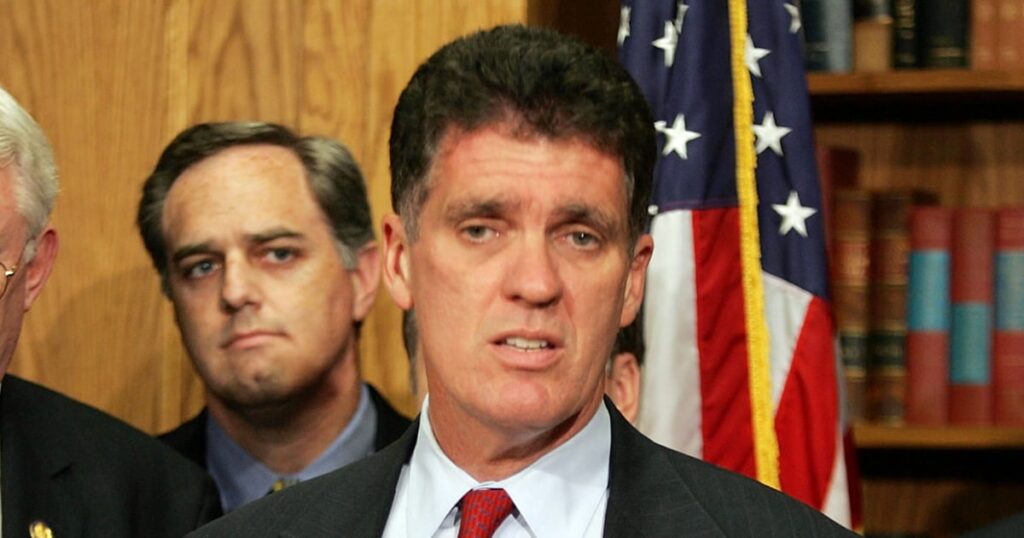
The White House has withdrawn the nomination of former Florida Representative Dave Weldon for CDC director just before his Senate confirmation hearing, sparking speculation about the reasons behind this decision. Weldon's nomination by President Trump had been controversial due to his vaccine skepticism, which was expected to be a focal point during his Senate questioning. The withdrawal leaves a leadership gap at the CDC, highlighting the need for a new director committed to science-based policies to guide the agency's critical public health efforts.
Posts tagged as “Arizona Senate”
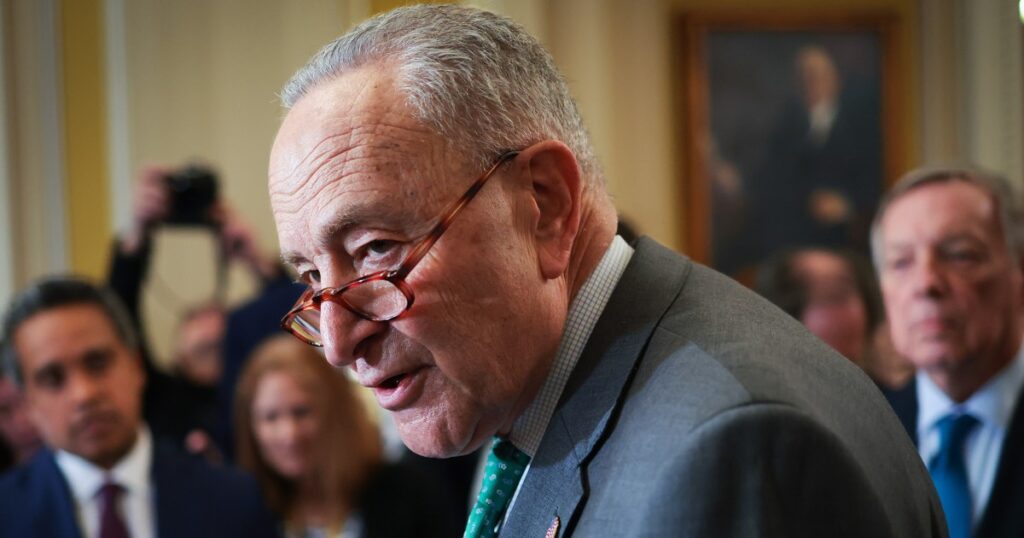
Senate Democrats are facing a dilemma after the House passed a Republican stopgap funding bill, as they must choose between supporting a measure they oppose or risking a government shutdown. They plan to block the bill to negotiate terms that better align with their priorities, which could significantly impact government operations and the political landscape. Meanwhile, the Senate is confirming President Trump's Cabinet nominees, with Elise Stefanik's UN ambassador nomination pending, and upcoming special elections could affect the House's narrow Republican majority.
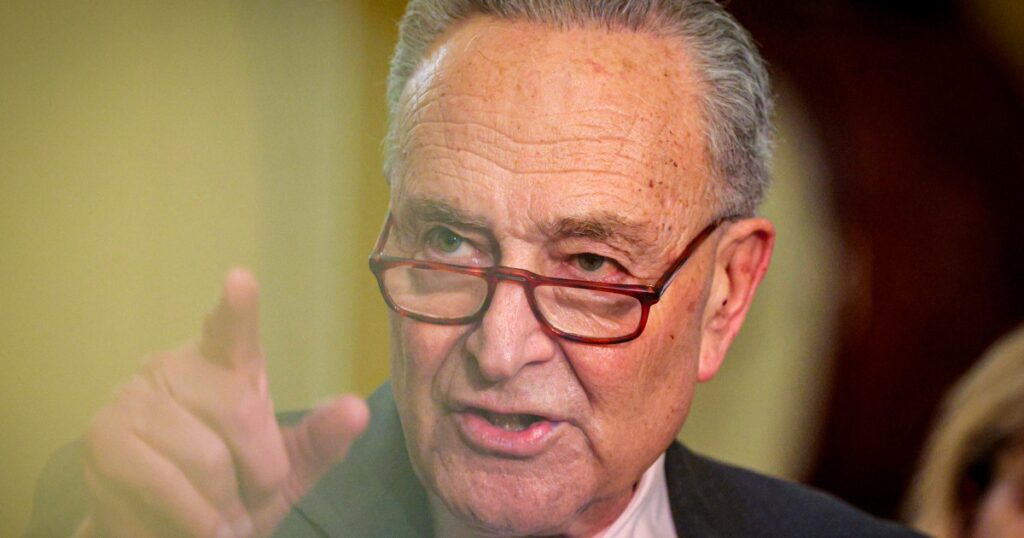
Senate Minority Leader Chuck Schumer announced that Senate Democrats plan to reject the government funding bill drafted by House Republicans, criticizing the lack of bipartisan input in its creation. With the deadline to pass a funding bill approaching, Schumer emphasized that Republicans do not have enough votes in the Senate and advocated for a one-month extension to prevent a government shutdown. The situation underscores broader governance issues, highlighting concerns about opacity and the lack of bipartisan cooperation in the legislative process, as lawmakers face uncertainty and heated debates over the next steps.
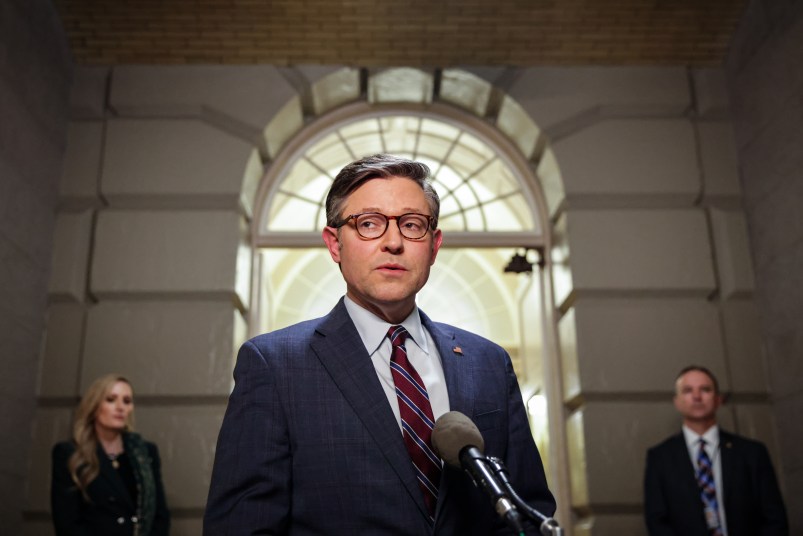
The U.S. House of Representatives narrowly passed a continuing resolution to prevent a government shutdown, focusing on increasing defense and veterans' health care funding while cutting non-defense spending. This legislative move, introduced by Speaker Mike Johnson, comes amid tensions with the Trump administration and advisor Elon Musk, who have been criticized for ignoring congressional spending directives. The resolution now heads to the Senate, where bipartisan support is needed to reach the 60-vote threshold, as the deadline to avert a shutdown approaches.
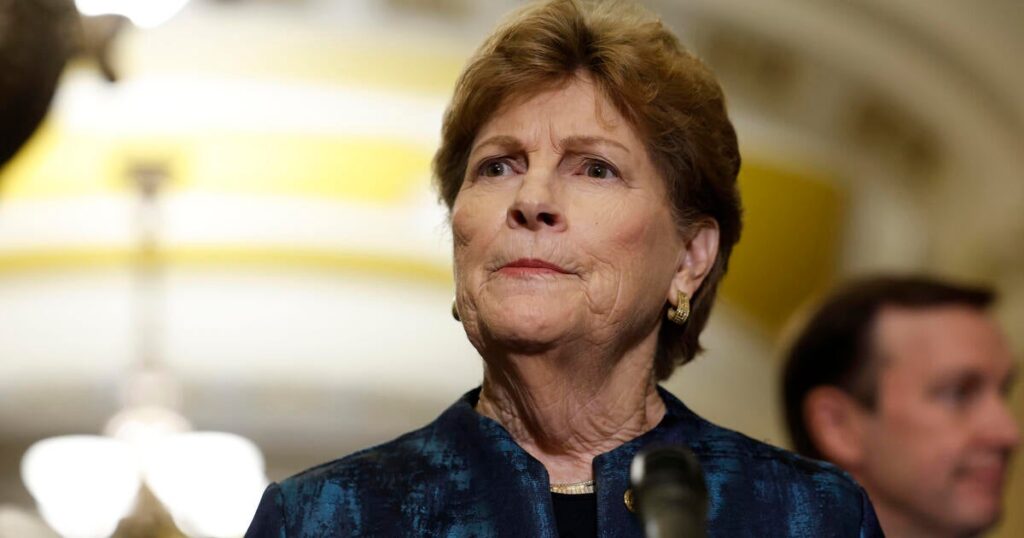
Former New Hampshire Governor Chris Sununu is being encouraged by Republican leaders to run for the U.S. Senate following Democratic Senator Jeanne Shaheen's announcement that she will not seek re-election in 2026. Shaheen, who has served since 2009, made her decision public through a social media video, emphasizing her commitment to remain active until her term ends. The upcoming vacancy has sparked interest from potential candidates, including former Massachusetts GOP Senator Scott Brown, setting the stage for a competitive and closely watched election.
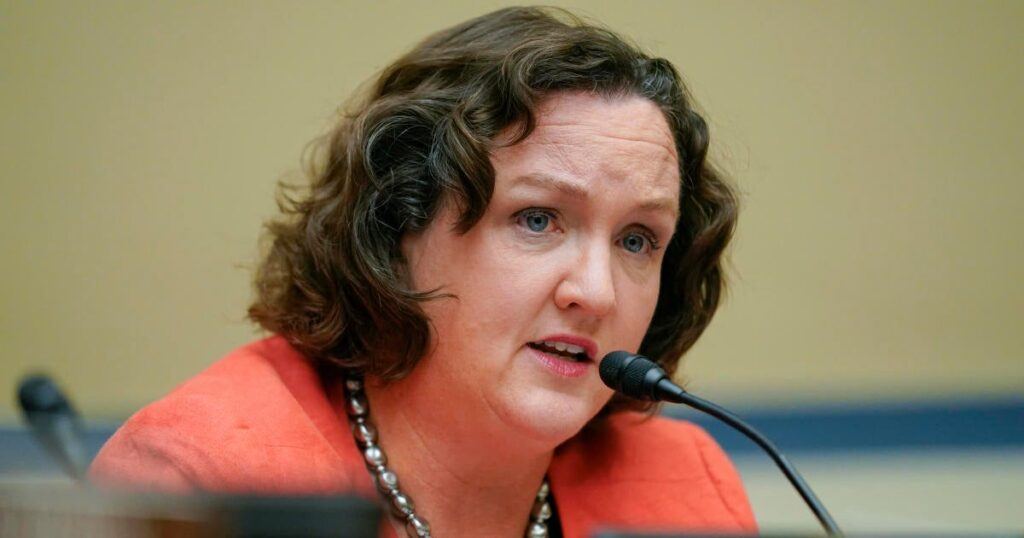
Former Orange County Representative Katie Porter has announced her candidacy for the governorship of California, emphasizing the need for fresh ideas and strong leadership. Her entry adds to a competitive field of Democratic candidates, including Lieutenant Governor Eleni Kounalakis and former Los Angeles Mayor Antonio Villaraigosa, among others. Porter's campaign focuses on hope, resilience, and innovative solutions to California's challenges, appealing to voters seeking meaningful change.
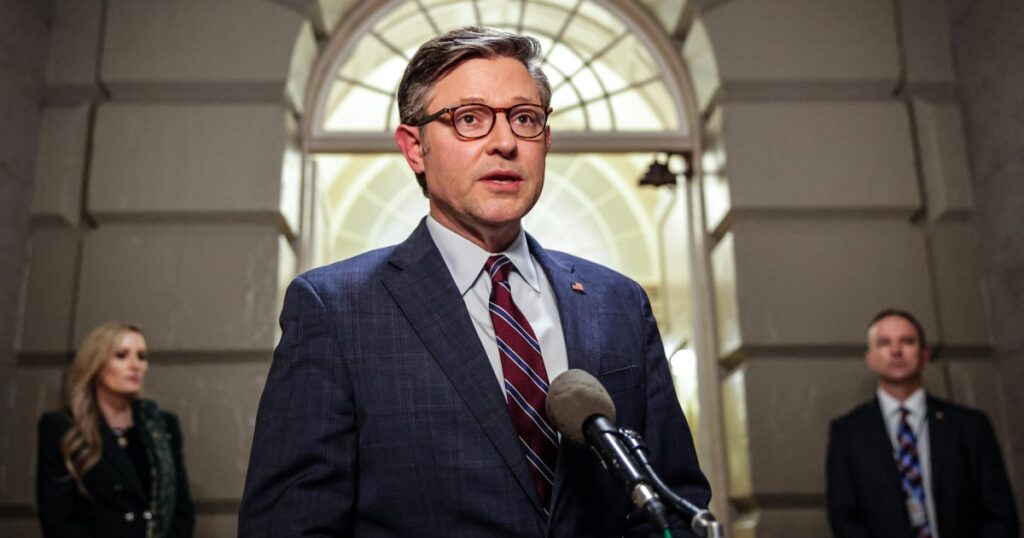
In a period of heightened tensions over the separation of powers, House Republicans have introduced a funding proposal to extend government funding until the end of fiscal year 2025, amidst significant spending cuts by Elon Musk's executive branch entity, DOGE. The proposed continuing resolution seeks to maintain government operations beyond the looming deadline, requiring a simple majority in the House and support from at least 60 senators to overcome a potential filibuster. With a government shutdown deadline approaching, House Speaker Mike Johnson is pushing for a vote on a six-month funding extension, facing criticism from Democrats for its military spending focus and exclusion from negotiations.
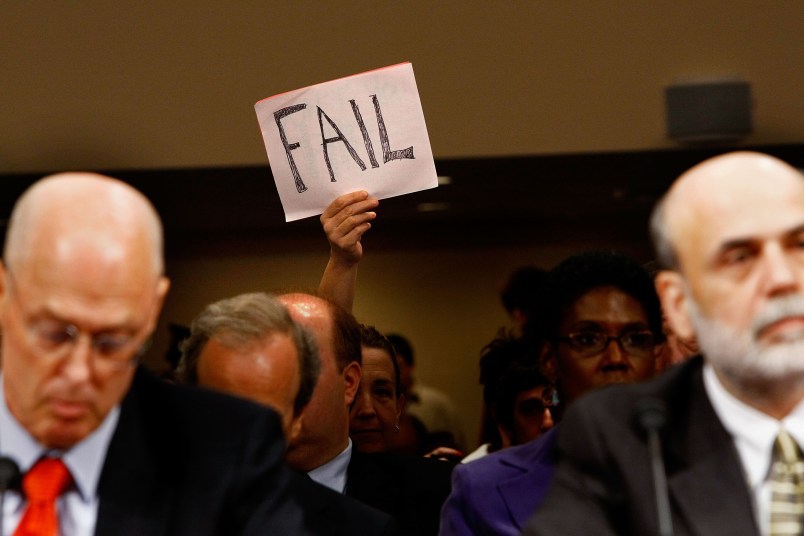
Senator Elissa Slotkin, a Democrat from Michigan, plans to withhold her vote on government funding unless the Trump administration assures that allocated funds will be spent according to congressional intent, highlighting concerns over executive overreach. As the deadline for a potential government shutdown approaches, the Senate faces a significant challenge, requiring bipartisan support to pass a continuing resolution, which emphasizes Congress's constitutional role in controlling government spending. This situation underscores the tension between the legislative and executive branches and the importance of congressional oversight, with the outcome impacting government operations and setting a precedent for future negotiations.