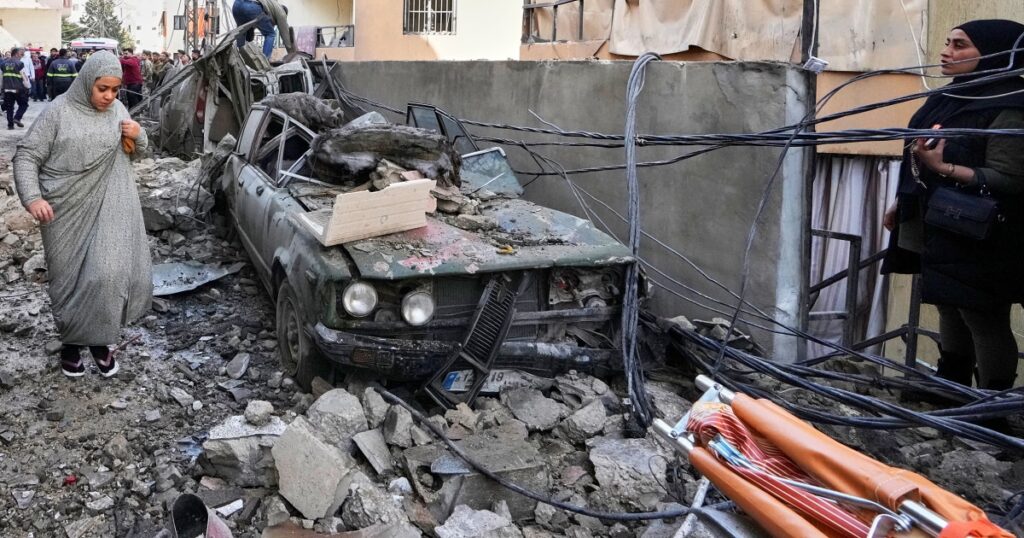
The Trump administration has been considering a high-risk operation involving the Joint Special Operations Command to seize Iran's enriched uranium stockpiles amid ongoing military efforts targeting Tehran and its allies. While initial U.S.-Israel campaigns focused on Iran's conventional military assets, the strategy has shifted toward preventing Iran from acquiring nuclear weapons, despite challenges posed by Iran's continued enrichment and regional counterattacks. Concurrently, escalating conflict in Lebanon, driven by Israeli strikes against Hezbollah and fears of a ground invasion, has displaced thousands and heightened tensions along the border, with uncertain prospects for a lasting resolution.
Posts tagged as “anti-Iranian”
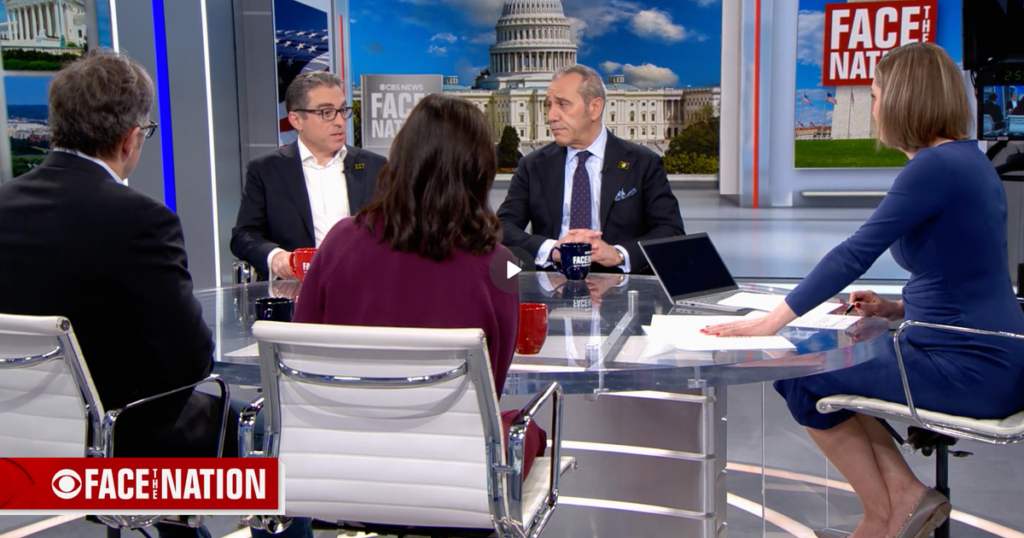
Tensions between the U.S. and Iran have heightened concerns over the safety of at least four American detainees held in Iran’s volatile prisons amid ongoing conflict and unrest. Meanwhile, the U.S. government is considering various military options, including potential ground troop deployments, to counter Iran’s strategic capabilities and secure key regional assets like the Strait of Hormuz. These developments occur alongside complex regional dynamics, with strained U.S.-Israel coordination following unilateral Israeli strikes on Iranian targets, highlighting the challenges of balancing humanitarian concerns with broader military and diplomatic strategies.
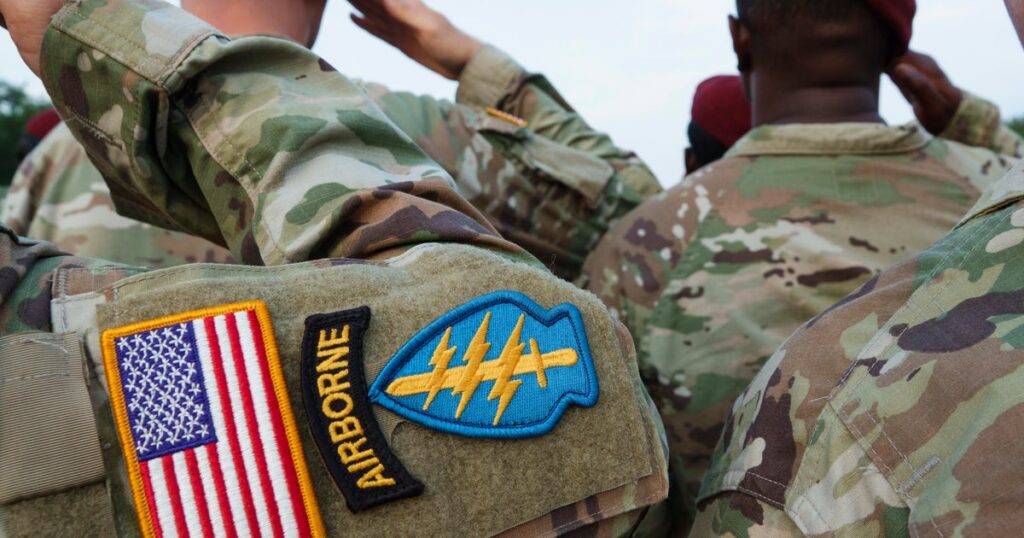
The U.S. Department of Defense has been engaging with families of fallen service members while preparing for a possible deployment of ground troops to the Middle East amid ongoing tensions with Iran. Defense Secretary Pete Hegseth reported that many families urged the continuation of the mission, though some, like Charles Simmons, expressed uncertainty about the war’s necessity. Meanwhile, Pentagon officials are readying forces including the 82nd Airborne Division and Marine units, even as President Trump denies immediate plans to send troops, emphasizing that preparations aim to preserve strategic options.
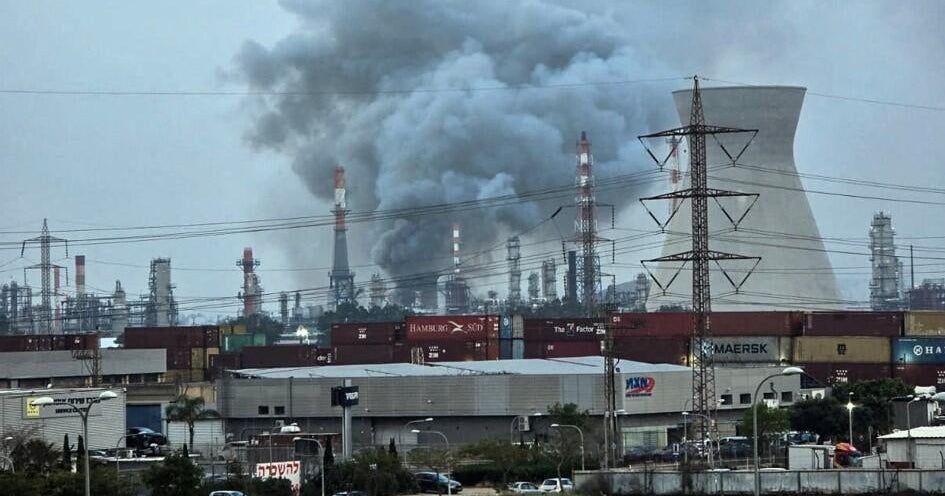
The conflict involving the United States, Israel, and Iran has intensified tensions across the Persian Gulf, with Iran launching retaliatory strikes on energy and civilian infrastructure in neighboring countries, prompting a high-level Gulf states meeting in Riyadh to address the escalating crisis. These attacks have severely impacted regional security and global energy markets, causing significant damage to oil and gas facilities and driving up oil prices, while military confrontations have included missile strikes, air raids, and the emergency landing of a U.S. F-35 jet. Despite widespread alerts and civilian sheltering, Gulf states remain divided on their response, with calls for de-escalation and ceasefire from some, amid fears of broader regional destabilization.

The U.S. Department of Justice seized four internet domains linked to Iranian government-backed hacking groups involved in cyberattacks, data theft, and intimidation of dissidents, including threats against individuals in the U.S. These groups, such as Handala and Homeland Justice, have targeted entities like a U.S. medical technology company and foreign governments, using custom malware and psychological warfare tactics. The seizures come amid heightened regional tensions following recent U.S. and Israeli military actions against Iran, with U.S. officials vowing to continue countering Iranian cyber threats to national security.
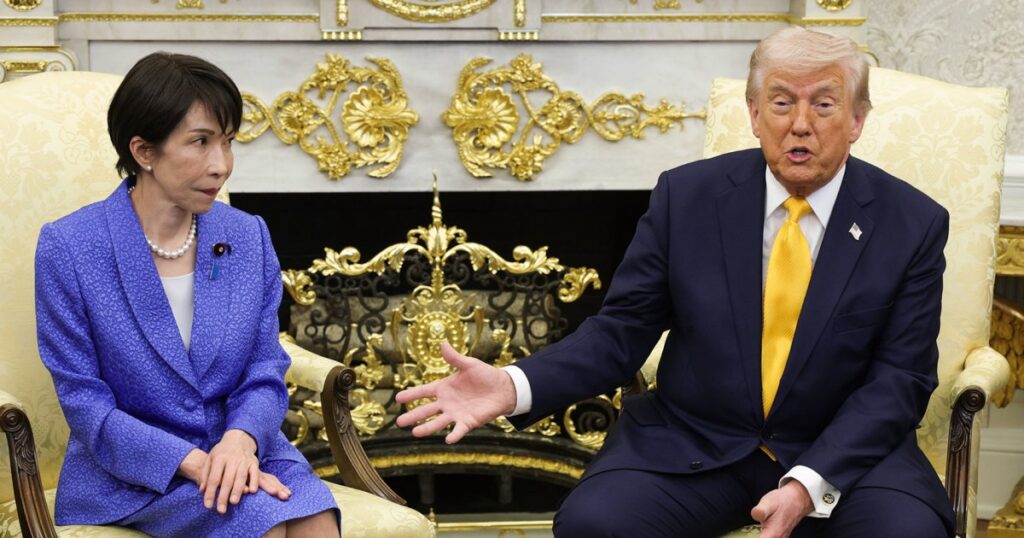
The Trump administration is reportedly preparing to request over $200 billion in emergency supplemental funding from Congress to support ongoing military operations in Iran, potentially using the request to retroactively justify the conflict. While House Speaker Mike Johnson and Defense Secretary Pete Hegseth have not ruled out the large funding package, lawmakers, especially Democrats, have expressed concerns about the lack of congressional authorization and the political challenges in passing such a bill. President Trump defended the surprise nature of the strikes on Iran, compared them to Pearl Harbor, confirmed the funding request, and downplayed the economic impact despite disruptions in the Strait of Hormuz.
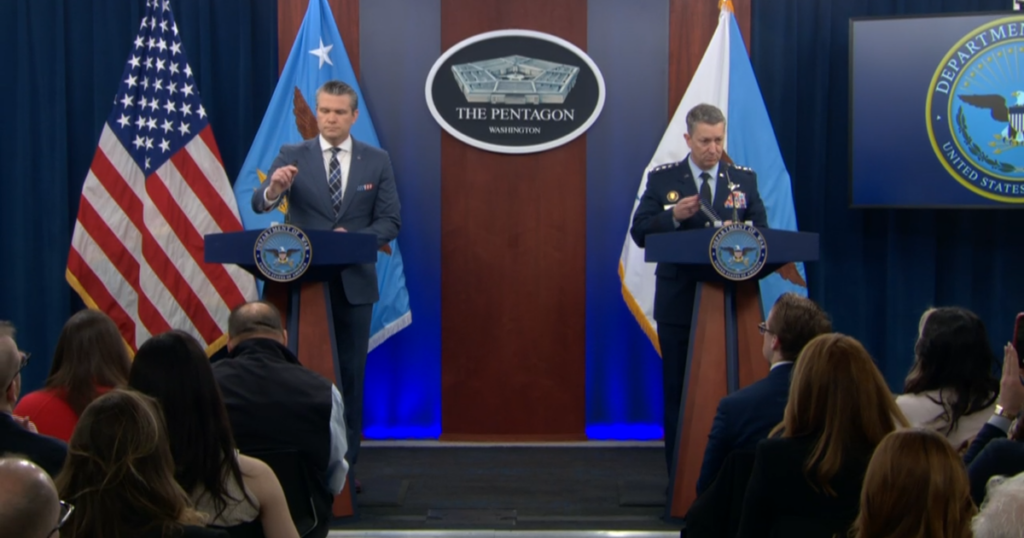
The United States and Israel have escalated military strikes against Iran, with the U.S. conducting over 7,000 attacks on Iranian military and industrial sites as part of Operation Epic Fury, while Israel targeted key Iranian officials and energy infrastructure. These actions have heightened tensions and disrupted global energy markets, prompting President Trump to warn Israel against further attacks on shared resources unless provoked by Iran, and calls for international efforts to reopen the closed Strait of Hormuz. Despite significant damage to Iran’s capabilities, intelligence reports indicate the regime remains intact, amid ongoing investigations into leaks related to the conflict and revelations of covert coordination between the U.S. and Israel.
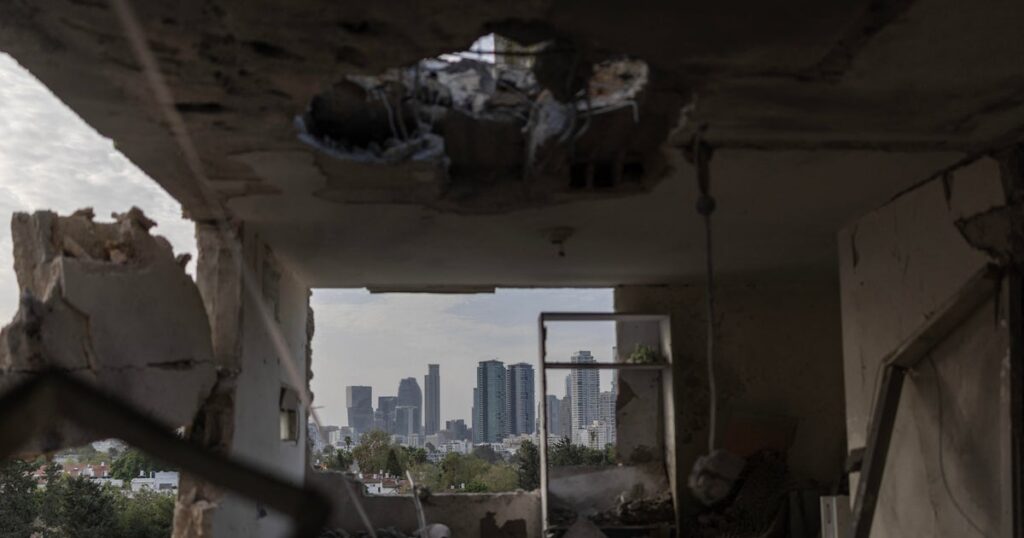
The conflict between Israel, the United States, and Iran has escalated sharply after an Israeli strike on Iran’s South Pars gas field, prompting Iranian retaliatory attacks on energy infrastructure across Gulf states and causing major disruptions to global energy supplies. These attacks have led to soaring oil and natural gas prices, closure of the Strait of Hormuz to tanker traffic, and heightened regional tensions, with international actors calling for de-escalation amid widespread condemnation. The ongoing crisis threatens regional stability and global markets, while diplomatic efforts have so far failed to resolve the conflict, leaving the situation highly volatile.