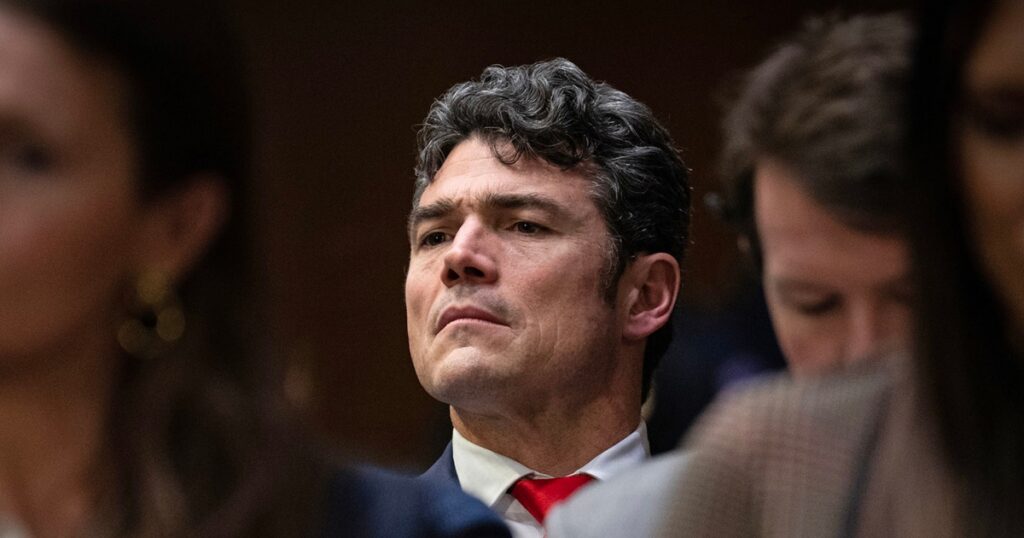
The FBI is investigating Joe Kent, former director of the National Counterterrorism Center, for alleged leaks of classified information, with the probe beginning before his recent resignation over opposition to the Trump administration’s decision to go to war with Iran. Kent criticized the administration’s rationale, claiming there was no imminent Iranian threat and that the war decision was influenced by Israeli pressure, while the Trump administration and intelligence officials have disputed his claims. His resignation has sparked debate among political and intelligence circles, with former President Trump calling Kent “weak on security” and reaffirming the threat posed by Iran.
Posts tagged as “anti-Iranian”
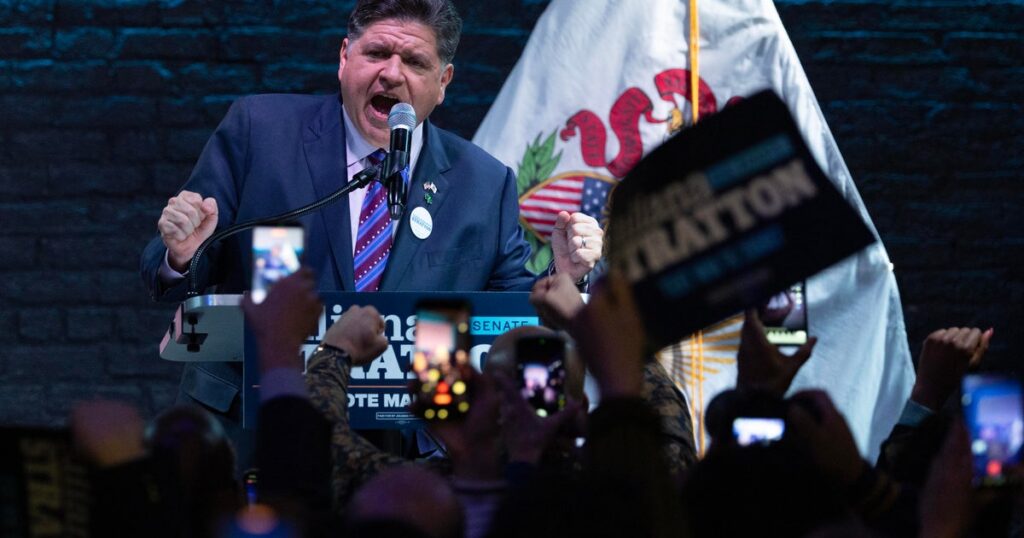
Illinois Democratic primaries showcased Governor JB Pritzker’s political influence, particularly through his substantial financial support for Lt. Governor Juliana Stratton, who won the U.S. Senate primary and could become the sixth Black woman in the Senate if victorious in the general election. Stratton’s campaign, backed by prominent endorsements and opposition to ICE, overcame strong fundraising and polling by her main rival, Representative Raja Krishnamoorthi, highlighting Pritzker’s sway in state politics ahead of a possible 2028 presidential bid. Additionally, outside spending from pro-Israel, cryptocurrency, and AI groups totaled over $52 million across key races, reflecting the growing impact of specialized interest groups on primary outcomes.
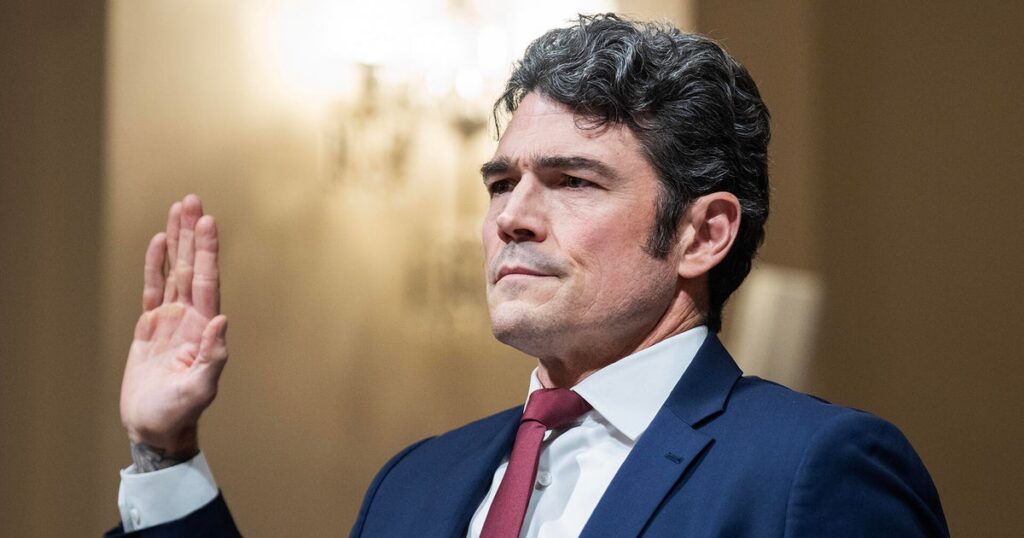
Joe Kent, director of the National Counterterrorism Center and a former Trump supporter, resigned amid controversy over U.S. military actions against Iran, criticizing the administration’s war rationale and alleging misinformation campaigns by Israeli officials and American media. His departure sparked backlash from Republican leaders who condemned his claims as anti-Semitic, while Kent’s past associations with far-right figures and conspiracy theories further complicated his tenure. Concurrently, Director of National Intelligence Tulsi Gabbard testified on Iran’s diminished but ongoing threat, underscoring internal divisions and political pressures shaping U.S. policy toward the conflict.
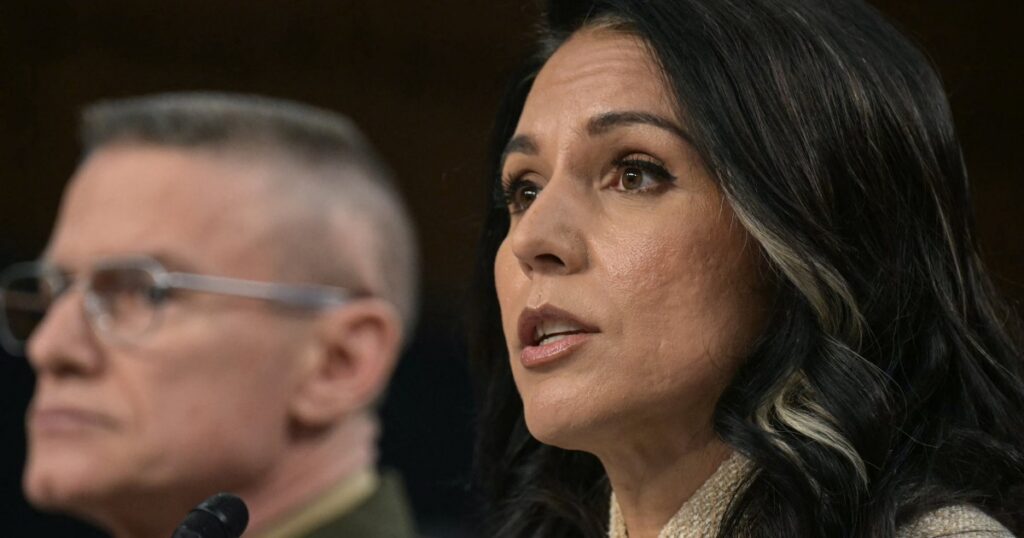
Director of National Intelligence Tulsi Gabbard testified before the Senate Intelligence Committee, expressing a cautious stance on Iran’s nuclear threat and avoiding full endorsement of the U.S.-Israeli military campaign. Her testimony highlighted divisions within the administration and intelligence community, especially after her deputy resigned in protest over the conflict’s justification. The ongoing conflict has caused significant geopolitical and economic disruptions, with Iran retaliating against U.S. interests despite degraded military capabilities.
Federal Reserve Holds Interest Rates Steady Amid Middle East Conflict and Rising Inflation Pressures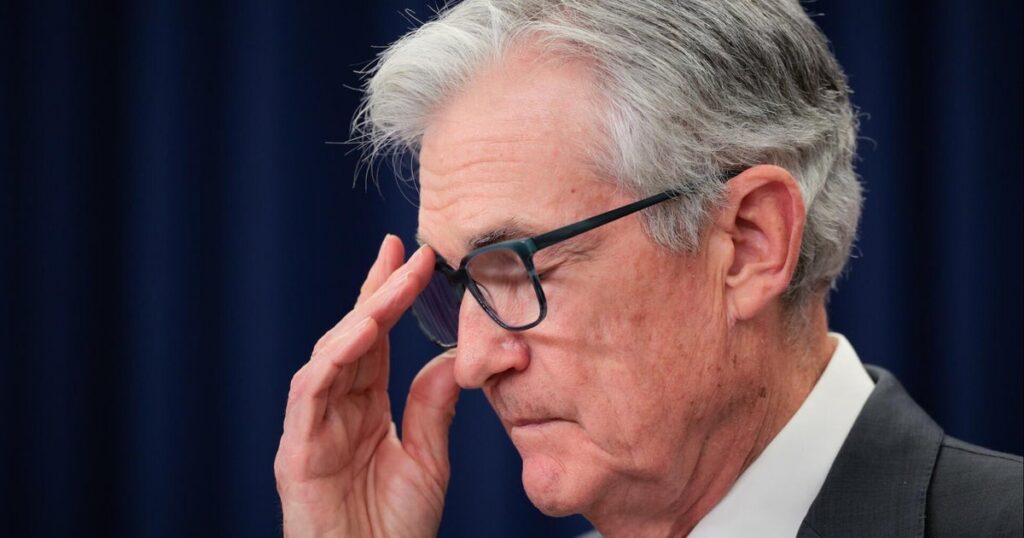
Federal Reserve Holds Interest Rates Steady Amid Middle East Conflict and Rising Inflation Pressures
The Federal Reserve announced it will keep its benchmark interest rate steady at 3.5% to 3.75%, marking a second consecutive pause amid economic uncertainty driven by geopolitical tensions in the Middle East. Rising energy prices due to the conflict between the U.S., Israel, and Iran have intensified inflationary pressures, while recent economic data showed unexpected job losses and higher wholesale inflation. Federal Reserve Chair Jerome Powell is expected to provide further guidance on monetary policy amid these challenges, with potential rate cuts later in 2026 remaining uncertain.
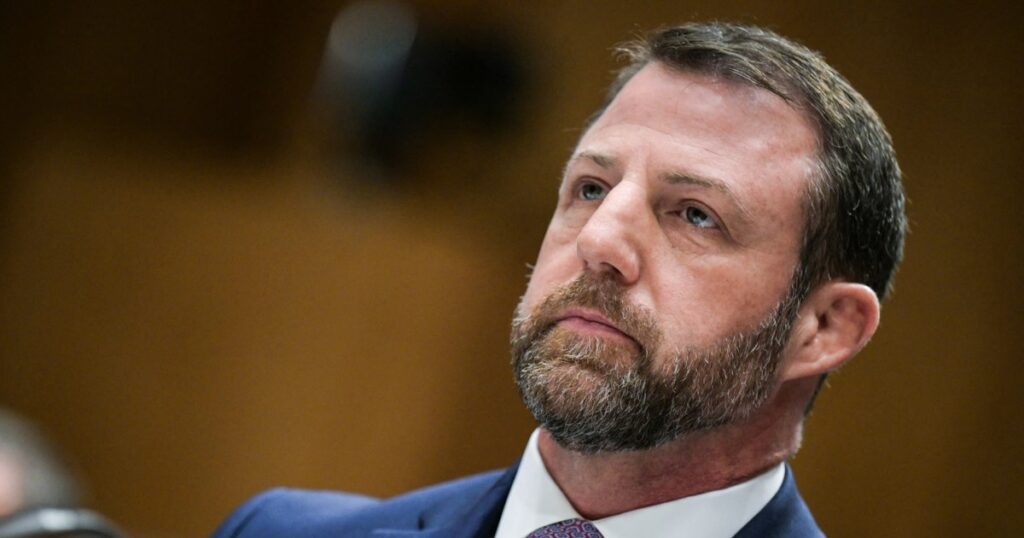
Senator Markwayne Mullin faced a contentious confirmation hearing for his nomination as Homeland Security Secretary, marked by sharp exchanges with Senate Homeland Security Chairman Rand Paul, who questioned Mullin’s temperament and past remarks. Mullin defended his comments without apologizing, pledged to set aside partisan differences, and acknowledged some past statements were premature while standing by others. Despite concerns from Democrats and signs of GOP division, Mullin is expected to secure confirmation given the Republican Senate majority.
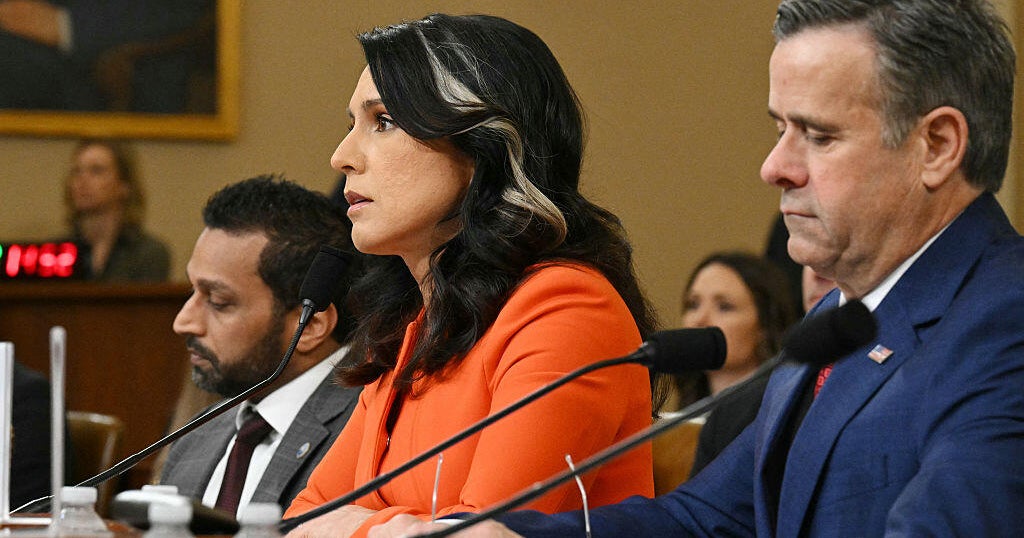
Top U.S. intelligence officials, including Director of National Intelligence Tulsi Gabbard, testified before the Senate Intelligence Committee amid heightened tensions following the U.S. military campaign against Iran, which was justified by the Trump administration as a response to an imminent threat despite intelligence reports indicating Iran was not actively pursuing nuclear weapons. The hearing occurred shortly after the resignation of Joe Kent, head of the National Counterterrorism Center, who criticized the administration’s rationale for war, while lawmakers remain divided over calls for greater transparency and public hearings on the conflict. As the debate over oversight continues, Democratic lawmakers push for more disclosure, whereas many Republicans argue that classified briefings suffice to protect national security.

Iran launched missile and drone attacks on Israel and Persian Gulf states following Israeli airstrikes that killed senior Iranian officials, escalating the Middle East conflict with casualties reported near Tel Aviv and Beirut. Israeli Defense Minister Israel Katz vowed to target all senior Iranian figures and hinted at intensified military operations, while Iran maintained governmental stability despite losses and condemned U.S.-Israeli strikes on its territory. The conflict has triggered regional diplomatic efforts, disrupted global oil markets, and sparked controversy within the U.S. administration, including the resignation of a counterterrorism official critical of the war’s justification.