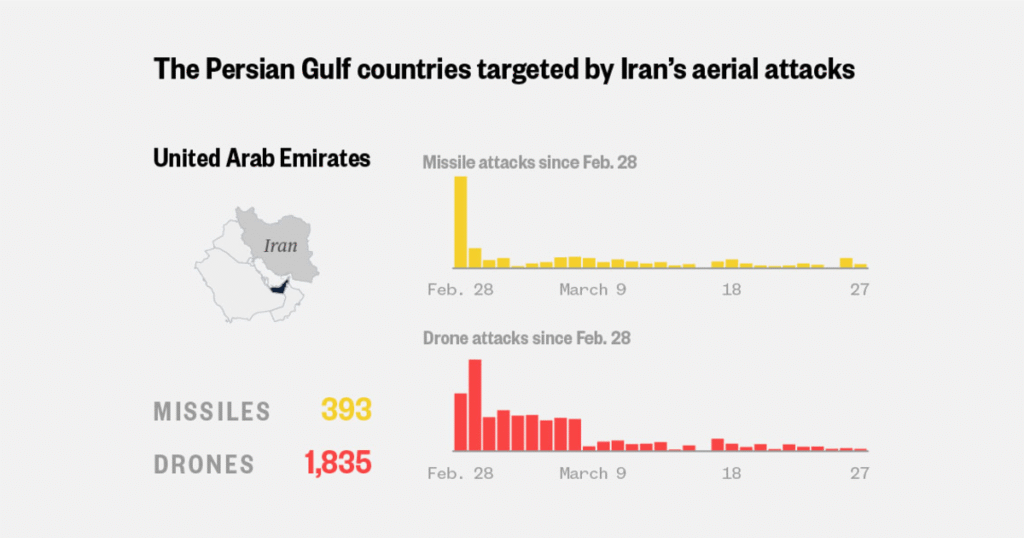
The United States has deployed over 850 Tomahawk cruise missiles in its conflict with Iran, using them at a rate far exceeding annual procurement levels, with current production unable to meet wartime demand. Iran continues daily missile and drone attacks against Gulf neighbors and Israel, causing significant damage to military and energy infrastructure despite high interception rates by regional air defenses. The ongoing hostilities have led to casualties, economic losses, and disruptions to strategic locations like the Strait of Hormuz, posing challenges to regional stability and global energy markets.
Posts tagged as “anti-Iranian”
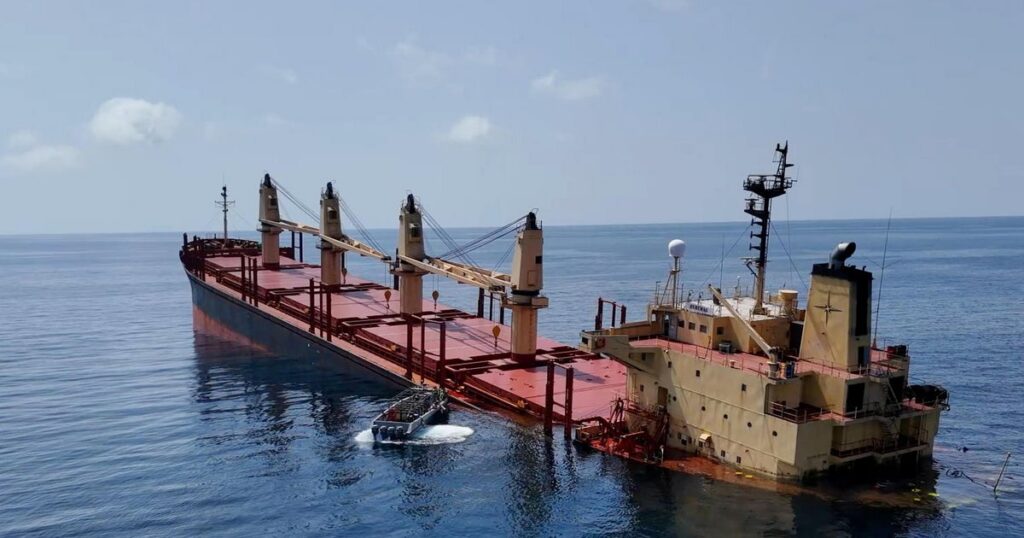
Iran’s Revolutionary Guard Corps has declared the Strait of Hormuz closed to unauthorized ships, significantly disrupting a key maritime route that handles about 20% of the world’s crude oil and causing Brent crude prices to surge above $110 per barrel. Iran has enforced this closure by turning back vessels, imposing hefty fees near Larak Island, and is considering formal legislation for these charges, while also hinting at threats to the Bab el-Mandeb Strait, another critical shipping lane. The closure and ongoing conflict have stranded around 20,000 seafarers in the region, led to casualties, and prompted calls from the UAE for a multinational force to secure the strait and stabilize global energy markets.
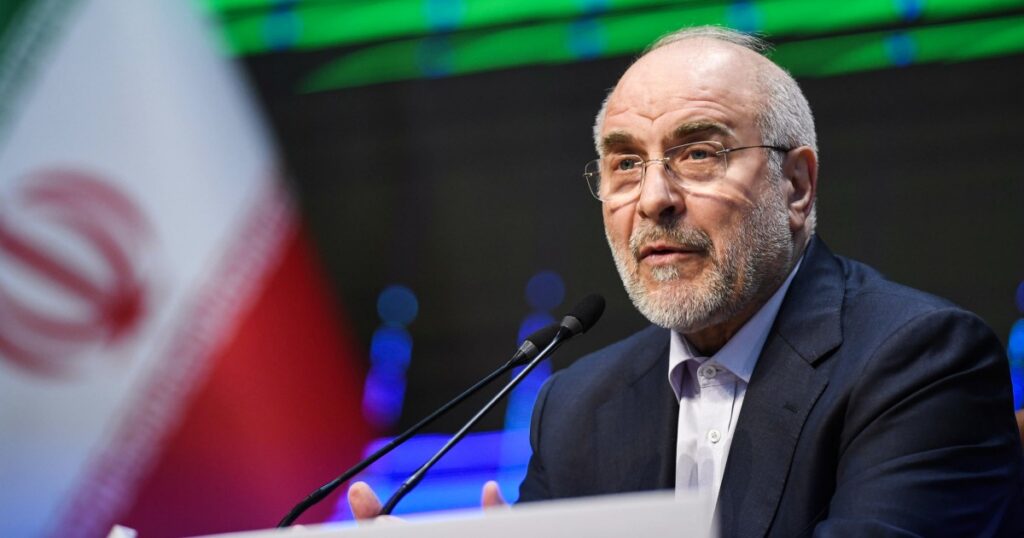
Tensions in the Strait of Hormuz remain high as Iran rejects U.S. claims of progress in negotiations and continues to enforce a blockade, turning back commercial ships and imposing hefty transit fees that violate international law. The situation has drawn condemnation from Gulf neighbors and global markets have reacted negatively, with rising oil prices and falling stock markets amid uncertainty. Internally, Iran’s leadership has shifted toward a hard-line, military-dominated faction led by figures like Mohammad Bagher Ghalibaf and Ahmad Vahidi, signaling a tough stance in any potential talks with the U.S.
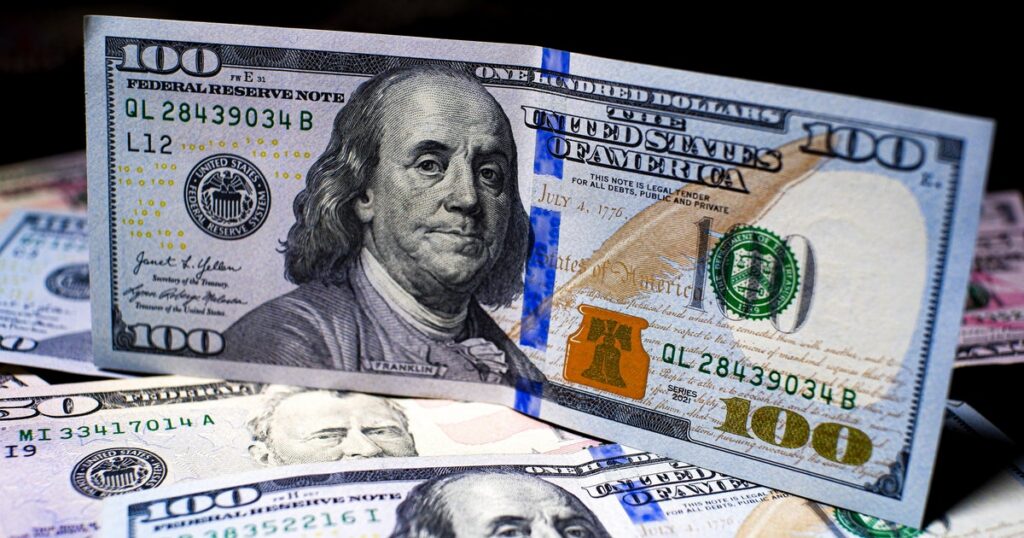
The U.S. Treasury Department announced that President Donald Trump’s signature will be added to new paper currency for the first time, commemorating the nation’s 250th anniversary alongside Treasury Secretary Scott Bessent’s signature. This change coincides with plans for a 24-karat gold commemorative coin featuring Trump’s likeness, both intended to honor the country’s historic milestone and Trump’s recent economic leadership. The new currency is expected to be introduced later this year amid ongoing economic challenges, with the Treasury praising Trump’s impact on the nation’s economic revival.
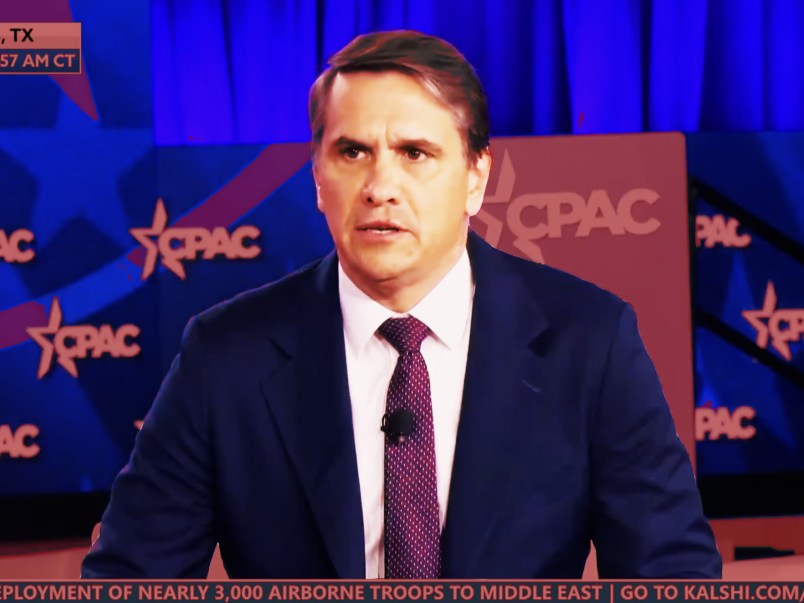
President Donald Trump faces significant obstacles in advancing the U.S. military campaign against Iran due to uncertain congressional support and growing public opposition, with lawmakers demanding clearer justification and strategy. The conflict has also triggered economic repercussions, including stock market declines and soaring oil and gasoline prices, while Trump downplays these issues and temporarily halts attacks on Iran’s energy infrastructure. Concurrently, the administration is embroiled in controversies over election security, proposing ICE monitoring at polling places and facing criticism over Trump’s own mail-in voting, highlighting internal tensions ahead of the midterm elections.

The conflict involving Iran has severely disrupted global oil supplies by blocking the Strait of Hormuz, a vital route for about 20% of the world’s oil shipments, with vessel traffic dropping drastically and Iran imposing tolls on passage. The International Energy Agency recommends reducing oil demand through measures like remote work and increased public transit use, but experts note challenges in changing American driving habits due to limited transit options and the cost of electric vehicles. Meanwhile, ongoing tensions have led to attacks on shipping vessels, and Iran insists on sovereignty over the strait as a condition for ending the conflict, signaling a long-term assertion of control.

U.S. financial markets declined sharply amid fading hopes for imminent peace talks between the U.S. and Iran, with major stock indexes falling and bond yields rising, leading to increased mortgage rates globally. Oil prices surged over 40% since the conflict began, driven by heightened tensions, while diplomatic efforts stalled as Iran rejected a U.S. peace proposal seen as one-sided. Military actions, including the targeted killing of an Iranian naval commander by Israel and significant U.S. strikes on Iran’s navy, have escalated the conflict, with warnings from President Trump and concerns over Russia’s involvement further complicating the geopolitical landscape.
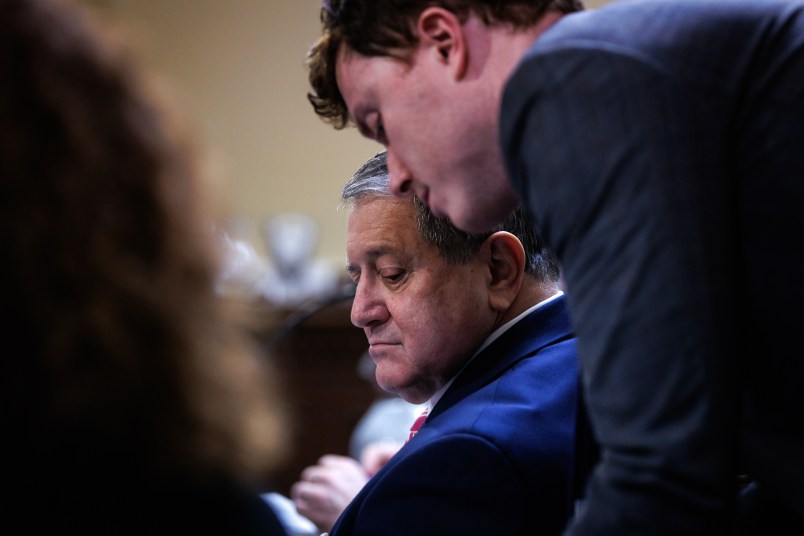
As the U.S. military campaign in Iran nears one month, bipartisan lawmakers have expressed frustration over the administration’s lack of clear strategy, objectives, and transparency regarding funding, with the Pentagon preparing to request an additional $200 billion to support operations. Congressional officials criticized the absence of definitive answers on the war’s goals and the potential deployment of ground troops, a move some view as a “red line” that could jeopardize support. Despite the White House’s claims of ongoing briefings and commitment to dismantling Iran’s military capabilities, lawmakers continue to demand more detailed information amid escalating costs and strategic uncertainty.