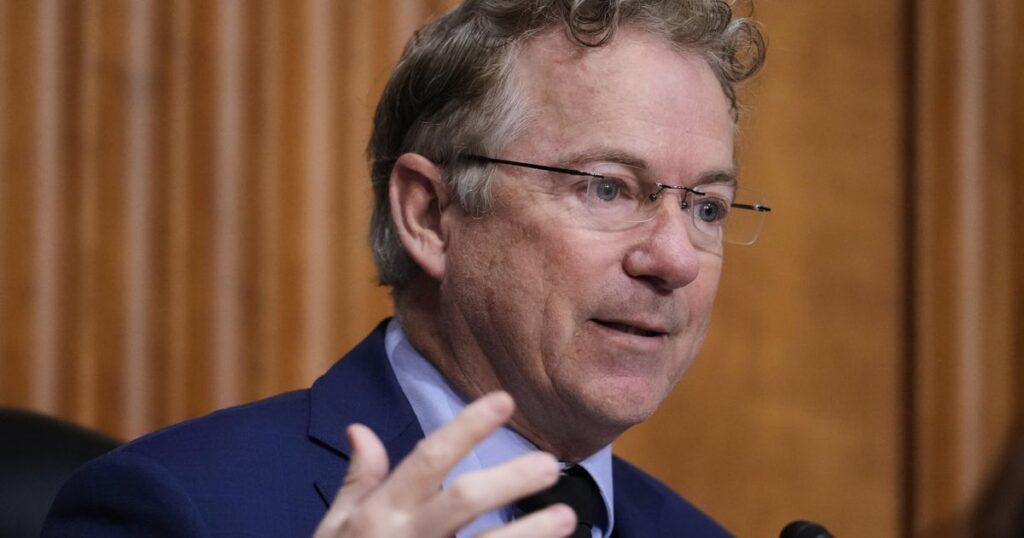
Senator Rand Paul is the only Senate Republican opposing President Trump’s military strikes against Iran, citing the lack of congressional authorization and emphasizing constitutional checks and balances. He warned of political and economic fallout from escalating conflict and plans to block a $200 billion supplemental war funding request, linking it to ongoing fiscal disputes like the prolonged DHS shutdown. The shutdown has severely impacted airport security, causing TSA staffing shortages and long wait times, with ICE agents temporarily filling gaps amid stalled legislative efforts to end the funding impasse.
Posts tagged as “anti-Iranian”
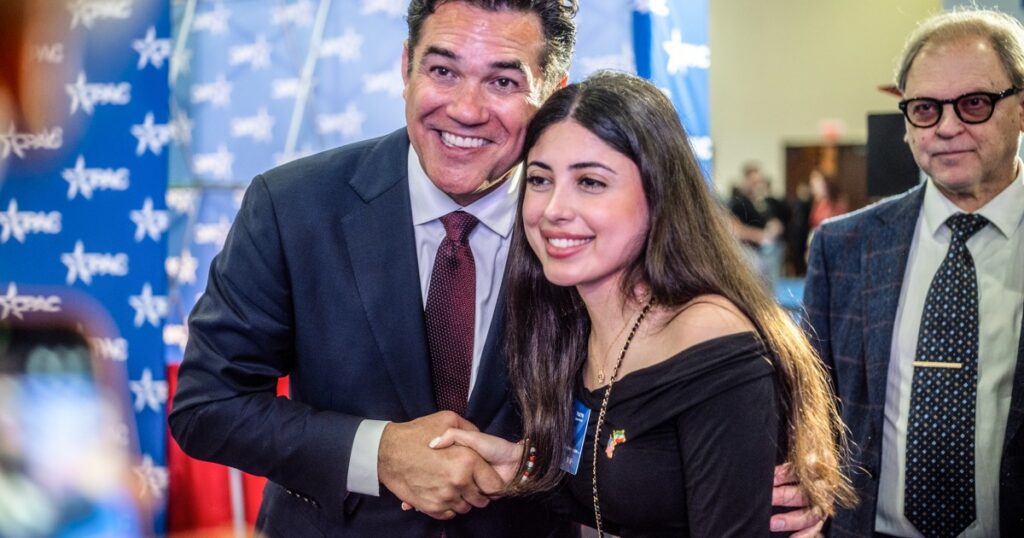
Conservative activists at CPAC in Texas largely support former President Trump’s military action against Iran but express concerns about economic strain, rising gas prices, and avoiding U.S. ground troop deployment. The conflict’s impact on the economy and Republican Party unity has raised worries about the upcoming midterm elections, even as loyalty to Trump remains strong among many attendees. Meanwhile, broader political tensions persist, including a historic DHS shutdown linked to immigration funding disputes, highlighting the complex domestic challenges amid the ongoing war.

An American-born Israeli soldier, Sgt. Moshe Yitzchak Hacohen Katz, was killed in combat in southern Lebanon amid ongoing hostilities between Israel and Hezbollah, with details of his death undisclosed. The conflict, which has caused nearly 1,200 deaths in Lebanon and significant displacement of over one million people, has intensified as Israel expands its military campaign to establish a security zone along the border. Humanitarian concerns have been raised by the UN and aid organizations, urging a ceasefire to prevent further escalation and suffering.
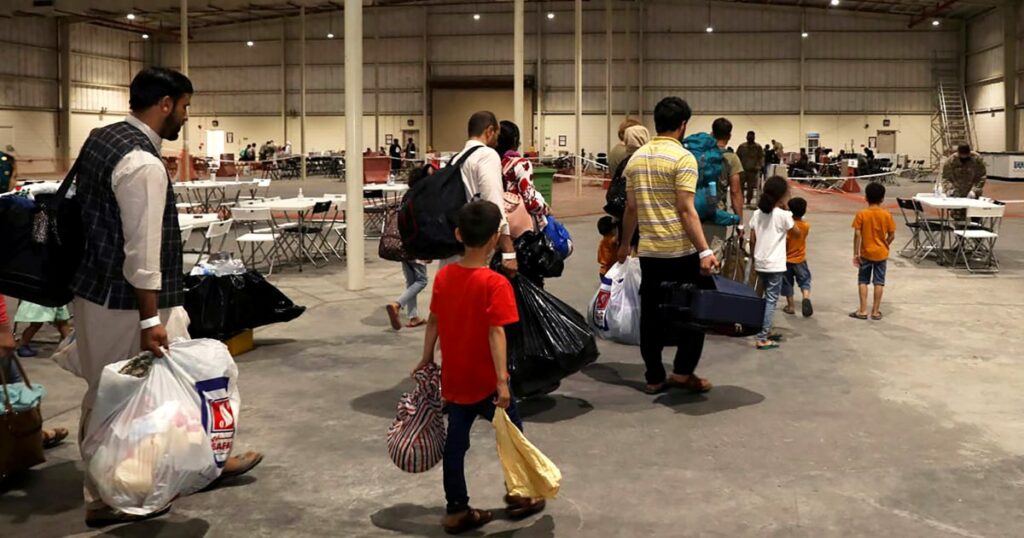
More than 1,100 Afghan refugees who supported the U.S. remain stranded at Camp As Sayliyah in Qatar, facing a March 31 deadline to relocate to an unspecified third country or return to Taliban-controlled Afghanistan, despite risks of persecution. Advocacy groups criticize the Trump administration’s handling of the situation, calling the camp a “prison camp” and expressing concerns about the refugees’ uncertain futures, while the State Department defends the closure as necessary and humane. Meanwhile, escalating tensions in the Middle East, particularly involving Iran’s unyielding stance and militia activities, complicate regional security and diplomatic efforts, highlighting the broader challenges affecting both refugees and U.S. foreign policy.

On Palm Sunday, Israeli police prevented Cardinal Pierbattista Pizzaballa and Reverend Francesco Ielpo from entering the Church of the Holy Sepulchre, marking the first time in centuries that the traditional Mass could not be held there, due to heightened security amid conflict between Israel and Iran. The move, justified by Israeli authorities as a safety measure against missile threats, sparked widespread international condemnation for infringing on religious freedoms and access to holy sites. In response to the backlash, Israeli Prime Minister Netanyahu’s office pledged to facilitate worship for church leaders during the remainder of Easter week, highlighting the ongoing tension between security and religious rights in Jerusalem.
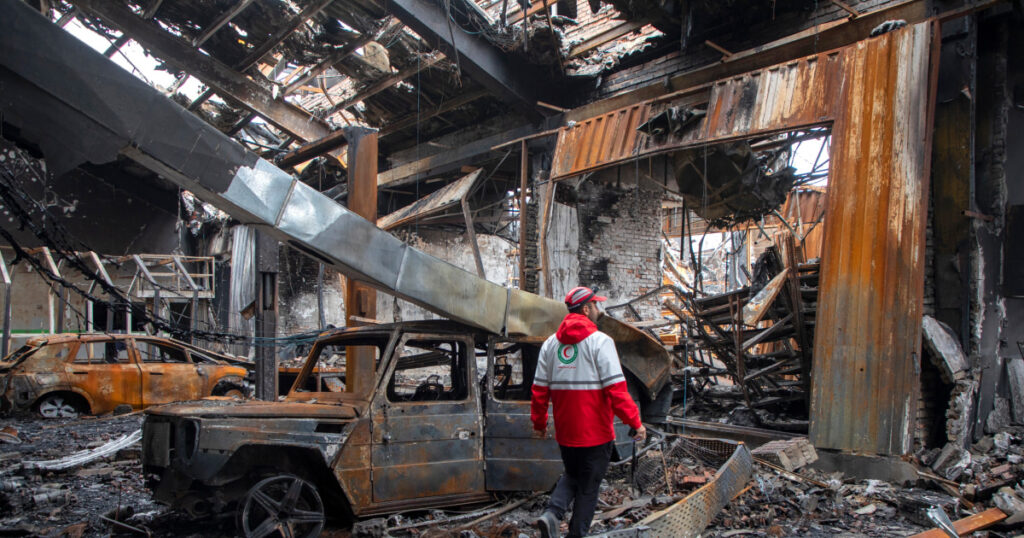
More than 3,500 U.S. troops, including approximately 2,500 Marines aboard the USS Tripoli, have been deployed to the Middle East amid escalating tensions with Iran following recent missile and drone attacks on Saudi Arabia that injured U.S. personnel. The conflict has disrupted global oil exports and shipping routes, with Iranian-backed Houthi rebels also entering the fray, raising concerns over maritime security. Despite rising hostilities and military preparations, diplomatic efforts continue, with the U.S. proposing a peace plan that Iran has rejected, while both sides maintain readiness for further confrontation.
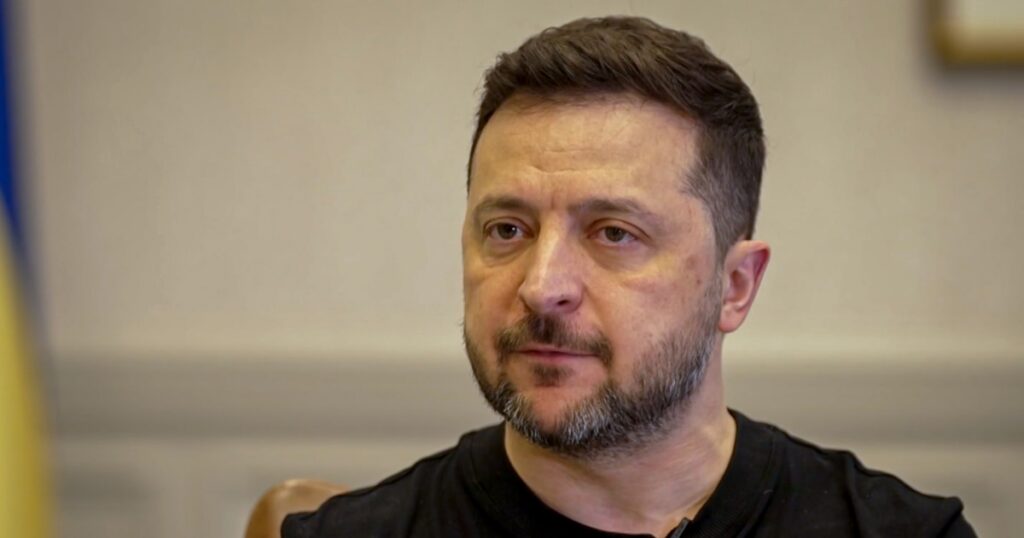
European officials and Ukrainian President Volodymyr Zelenskyy have raised alarms over Russia’s deepening military cooperation with Iran, particularly involving intelligence sharing and drone technology that targets U.S. forces in the Middle East and supports Russia’s efforts in Ukraine. Zelenskyy provided evidence of Russian satellites aiding Iranian attacks on American bases and highlighted Ukraine’s efforts to share anti-drone technology with Gulf states facing Iranian aggression. This growing alliance complicates U.S. military resource allocation and diplomatic negotiations, with Zelenskyy emphasizing the need for sustained Western support amid stalled peace talks and shifting geopolitical priorities.

The conflict between the United States and Iran has drastically reduced shipping traffic through the Strait of Hormuz by up to 95%, causing a sharp rise in oil prices and marine insurance premiums due to heightened risks of missile and drone attacks. Efforts to protect commercial vessels, including potential U.S. military escorts and expanded insurance programs, face delays and are unlikely to restore normal shipping until a ceasefire or de-escalation occurs. Meanwhile, the involvement of Iran-backed Houthi militants in missile attacks against Israel threatens further disruptions in the Red Sea and Bab el-Mandeb Strait, escalating the conflict into a broader regional crisis with significant impacts on global energy supply and maritime commerce.