
President Donald Trump has avoided officially calling the military conflict with Iran a "war," citing constitutional limits on presidential war powers and the need for congressional authorization, though he has occasionally referred to it as such. The legal and political debate continues, with Democrats pushing to restrict the president’s military actions without congressional approval, while Republicans largely oppose these measures. Meanwhile, Ukraine is aiding Gulf nations against Iranian drone attacks by deploying anti-drone specialists, and Senate Republicans are advancing a budget reconciliation bill focused on conservative priorities, including military funding related to the Iran conflict.
Posts tagged as “anti-Iranian”
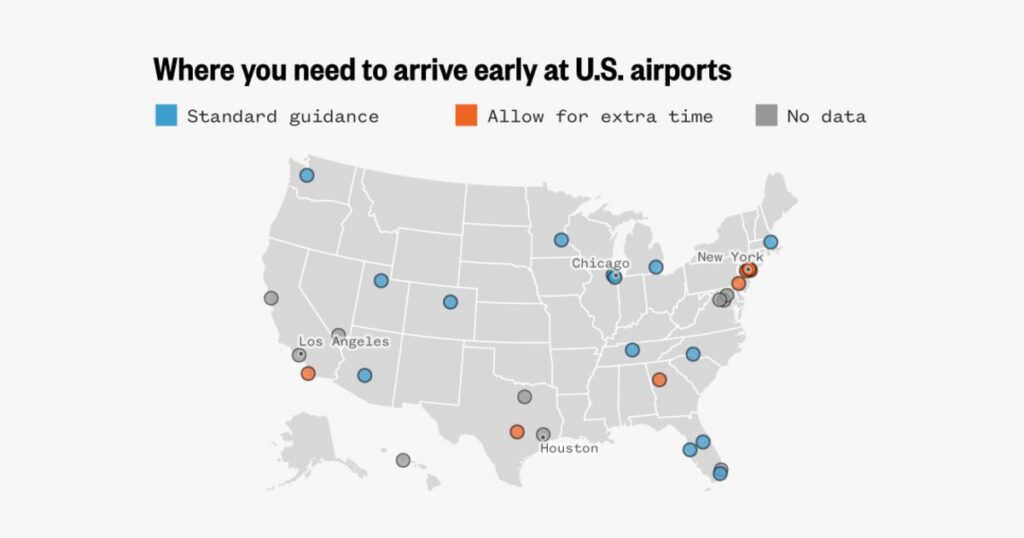
Severe staffing shortages at TSA checkpoints, caused by a partial government shutdown freezing paychecks, have led to extensive delays and long security lines at major U.S. airports, notably at Houston’s George Bush Intercontinental Airport where wait times have stretched for hours. The shutdown has forced over 400 TSA officers to quit and many others to call out, prompting deployment of ICE agents and additional TSA personnel to assist, while airlines and travelers face growing frustration and operational disruptions. As lawmakers remain deadlocked over DHS funding and immigration enforcement reforms, airports nationwide continue to experience significant delays, with experts advising passengers to arrive much earlier than usual for flights.
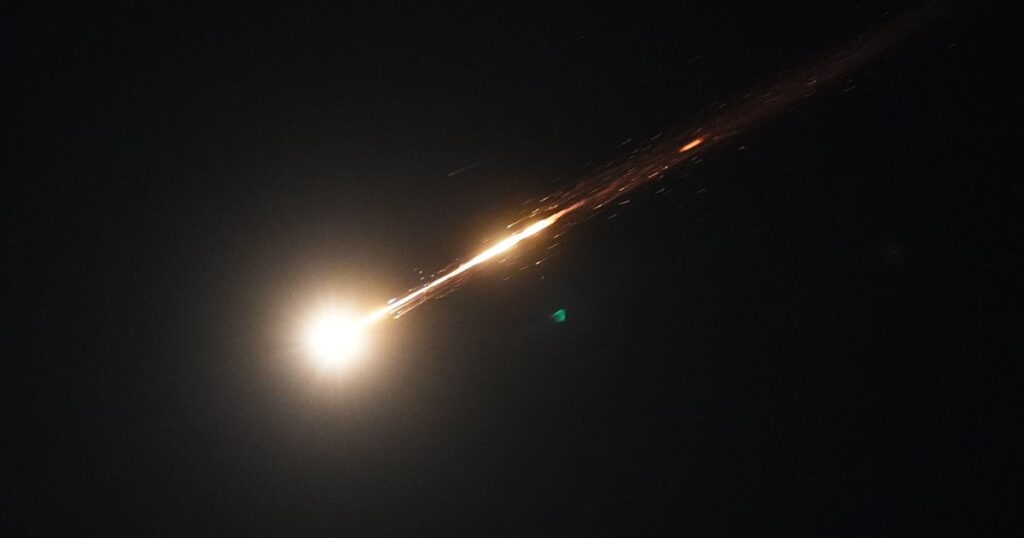
The conflict between the United States, Israel, and Iran has intensified, with Iran rejecting a U.S. peace proposal while talks continue amid threats of severe military action, including a possible ground invasion of the strategically vital Kharg Island. The U.S. is increasing its military presence in the Middle East, deploying troops and equipment as tensions rise, while international leaders, including the UN Secretary-General, call for an immediate end to hostilities to prevent wider regional escalation. The ongoing conflict has caused global economic uncertainty, particularly affecting oil markets due to disruptions around Kharg Island and the closure of the Strait of Hormuz.
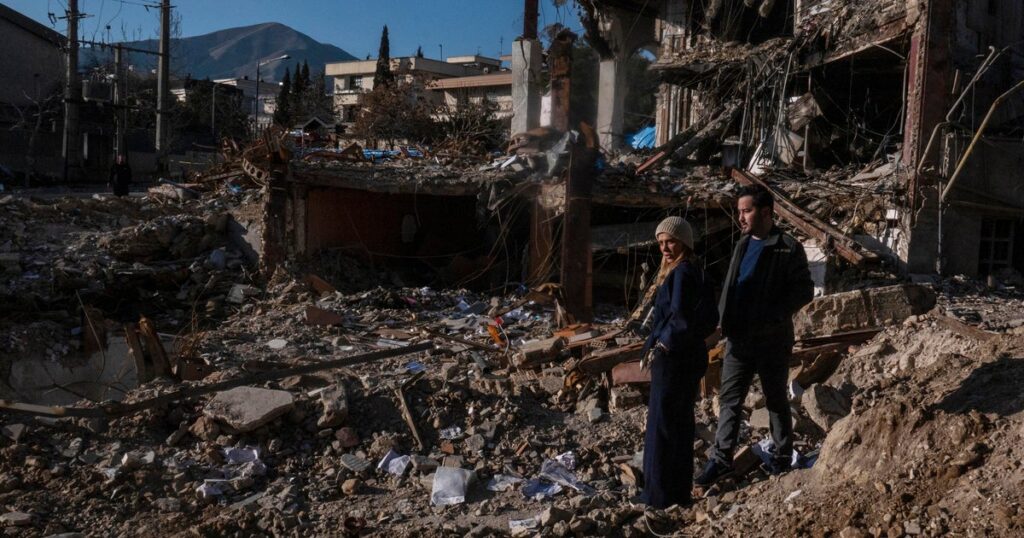
After nearly a month of escalating conflict marked by U.S.-Israeli strikes, initial Iranian hopes for regime change have shifted to despair due to the lack of a coordinated international strategy and internal divisions. Interviews with Iranians reveal growing skepticism about the effectiveness of military action and doubts about calls for internal uprisings, while Iran leverages its control over the Strait of Hormuz to strengthen its position. Diplomatic efforts remain stalled amid heightened Iranian demands, leaving the conflict unresolved with no clear path to peace.

Oil futures experienced a sharp surge in trading volume just before President Trump announced "productive" peace talks with Iran, causing oil prices to drop and stock markets to rise, though the timing has raised suspicions of potential insider trading. The ongoing U.S.-Iran conflict has driven significant volatility in oil prices, with Brent and WTI crude rising over 30%, amid disruptions in the Strait of Hormuz and mixed signals about peace negotiations. This geopolitical uncertainty continues to fuel market instability, influencing inflation expectations and central bank policies while prompting offers of mediation and fluctuating investor confidence.
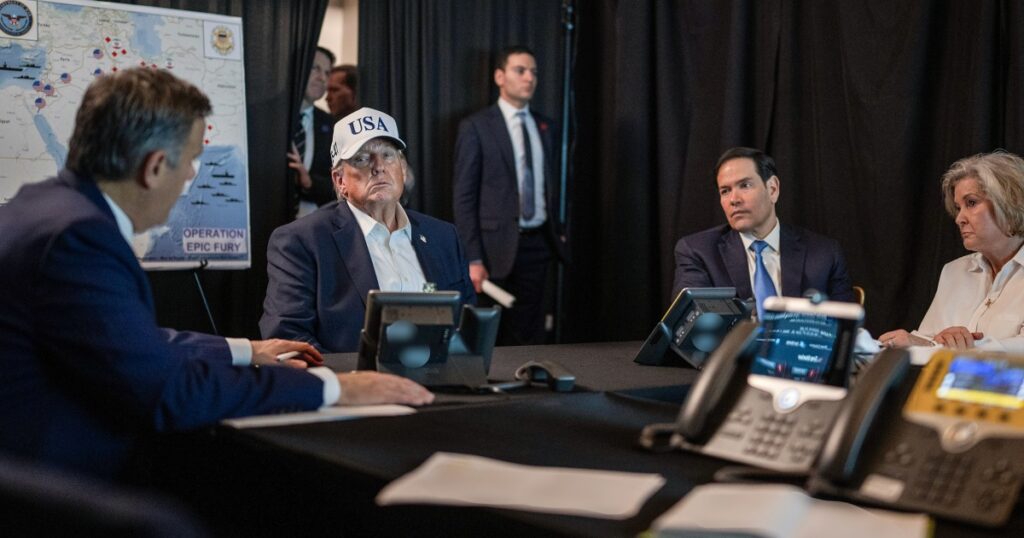
The United States is preparing to deploy elements of the 82nd Airborne Division, including fewer than 1,500 troops, to the Middle East amid ongoing air operations targeting Iranian military infrastructure. Since the conflict began on February 28, the U.S. has conducted over 9,000 combat flights against key Iranian military sites, while additional Marines and naval forces are being sent to the region. Although President Trump receives curated daily briefings emphasizing U.S. successes, some officials worry he may not be fully informed of setbacks, a concern denied by the White House amid divided public opinion on the war.

Democrat Emily Gregory won a special election for Florida’s 87th state House district, flipping the seat from Republican control despite an endorsement from former President Donald Trump. The victory is part of a broader trend of Democratic gains in state legislative special elections during Trump’s second term, with the Florida 87th District being the 10th GOP-held seat flipped by Democrats nationwide since last year. Democrats attribute their success to economic concerns and shifting voter sentiment, while Republicans face challenges ahead of the midterms.
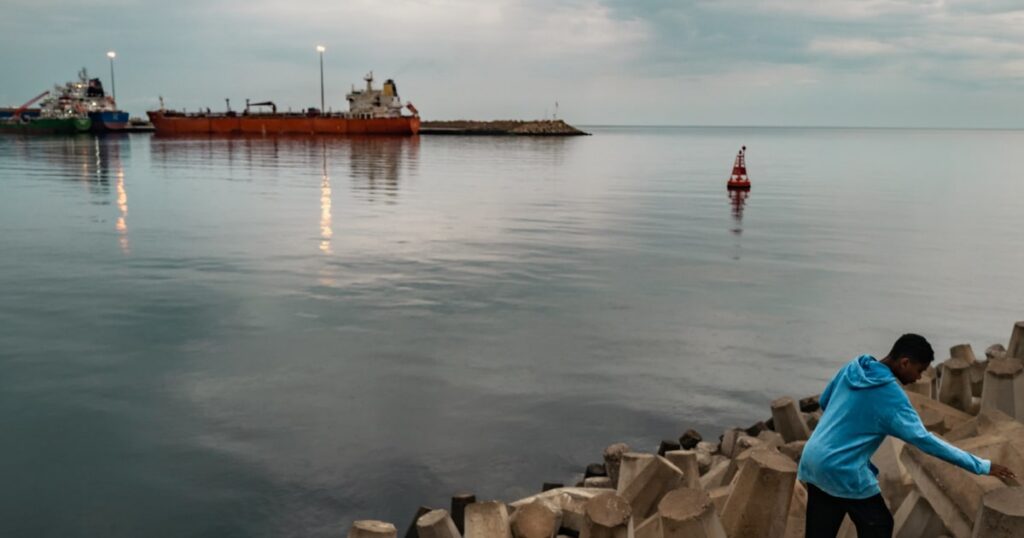
Amid escalating conflict between Iran and Israel following U.S. and Israeli strikes, diplomatic efforts involving indirect talks facilitated by Pakistan and other regional players have reportedly begun, though official confirmations remain pending. The war has caused over 2,000 deaths, displaced millions, and disrupted global energy markets, pushing Brent crude oil prices above $100 a barrel amid fears of supply shortages. Despite ongoing hostilities marked by missile strikes and air raids, U.S. President Donald Trump expressed cautious optimism about potential negotiations, while regional tensions and economic risks continue to mount.