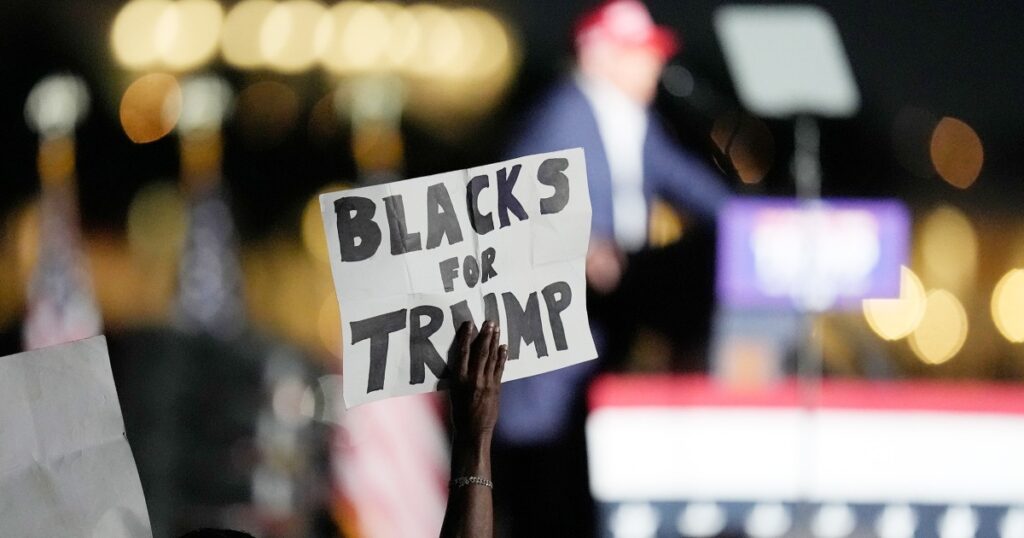
In a recent congressional hearing, tensions rose as Democrats criticized Republicans for considering the defunding of public media organizations like NPR and PBS, emphasizing their importance in providing educational content and local news. Despite testimonies from the CEOs of these organizations defending their societal contributions, House Republicans remained firm in their stance to reduce or eliminate funding, aligning with former President Trump's similar advocacy. This debate over public media funding reflects broader partisan divides and comes amid other political maneuvers, such as Trump's withdrawal of Rep. Elise Stefanik's U.N. ambassador nomination due to concerns over the GOP's narrow House majority.
Posts tagged as “Animal House”
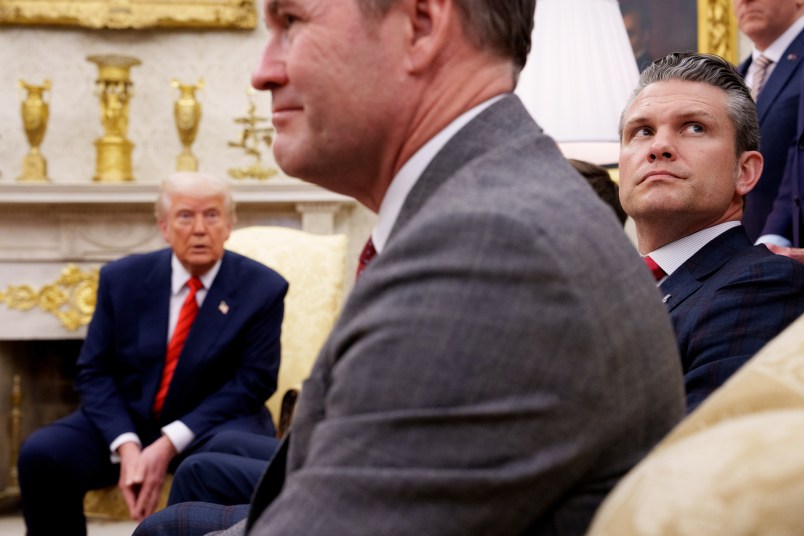
A special election is set for April 1 to fill the House seat vacated by Mike Waltz, who resigned to address other responsibilities amid controversy over a group chat incident involving an Atlantic editor. This situation has led to scrutiny of Waltz's actions and discussions about his political future, despite former President Trump's public support. As candidates prepare for the election, voter demographics and perspectives, particularly those of Black men who supported Trump, are being analyzed to understand the political landscape and factors influencing voter decisions.
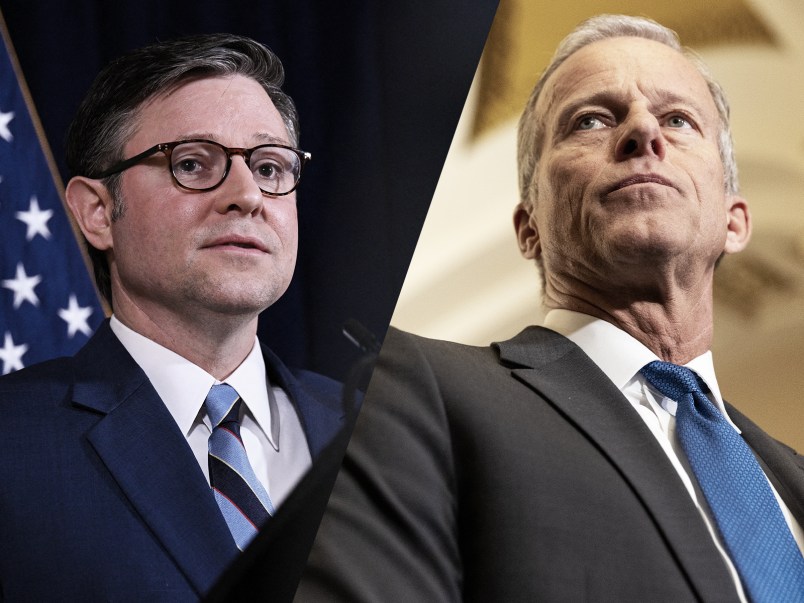
Republican lawmakers are deliberating the future of the 2017 tax cuts, with a key Senate decision pending that could allow these cuts to become permanent through the reconciliation process. The debate focuses on whether to use a "current policy" baseline to calculate the cost, potentially setting it at $0 and bypassing traditional budget negotiations, a move criticized for undermining Congress' budgetary authority. Democrats have limited involvement in these discussions, and the Congressional Budget Office estimates the extension would cost $4.6 trillion over the next decade, as Republicans aim to secure a budget resolution before the Easter recess to advance Trump's fiscal agenda.
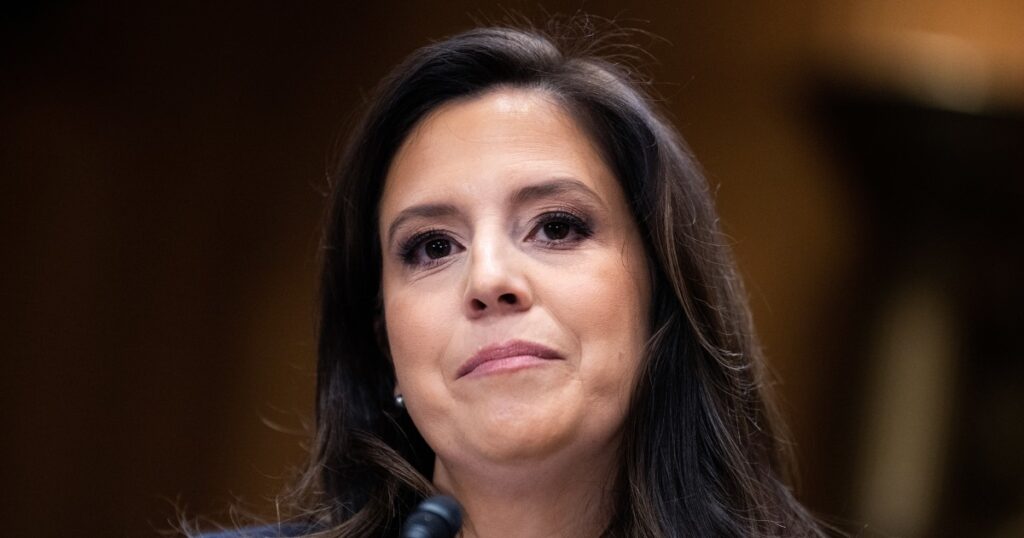
President Donald Trump has withdrawn the nomination of Representative Elise Stefanik for U.S. ambassador to the United Nations, asking her to continue her work in Congress due to the Republican Party's narrow majority in the House. This decision ends a two-month period of uncertainty for Stefanik, who is recognized for her loyalty to Trump and influence within the party. By keeping Stefanik in Congress, Trump aims to bolster Republican legislative efforts on key issues like tax cuts and border security, highlighting the strategic importance of her role in maintaining the party's legislative momentum.

Speaker of the House Mike Johnson has suggested that Congress might consider eliminating certain federal courts, a proposal that has stirred significant reactions, particularly among House Democrats concerned about judicial independence. This suggestion aligns with efforts by Trump and his allies to challenge judicial decisions that have blocked the administration's policies, including calls for the impeachment of judges like U.S. District Judge James Boasberg. Critics argue that dissolving courts over disagreements with rulings threatens the balance of power and the judiciary's role in checking executive actions, raising concerns about the implications for the judicial system's independence.
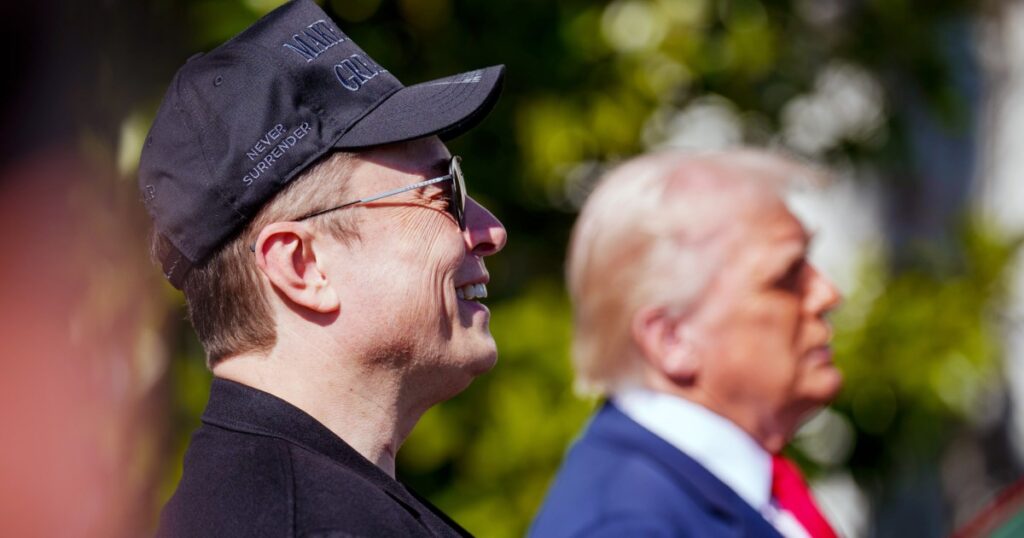
Billionaire Elon Musk has become a significant figure in the political landscape, particularly through his support for former President Donald Trump's administration and efforts to reshape federal bureaucracy. Musk's involvement includes founding a super PAC that is a major spender in the Wisconsin state Supreme Court election and advocating for the impeachment of federal judges who have blocked Trump's executive actions. Additionally, Musk has shown a willingness to financially support Trump loyalists in Congress, using his resources strategically to influence political outcomes and further his commitment to impacting U.S. governance.
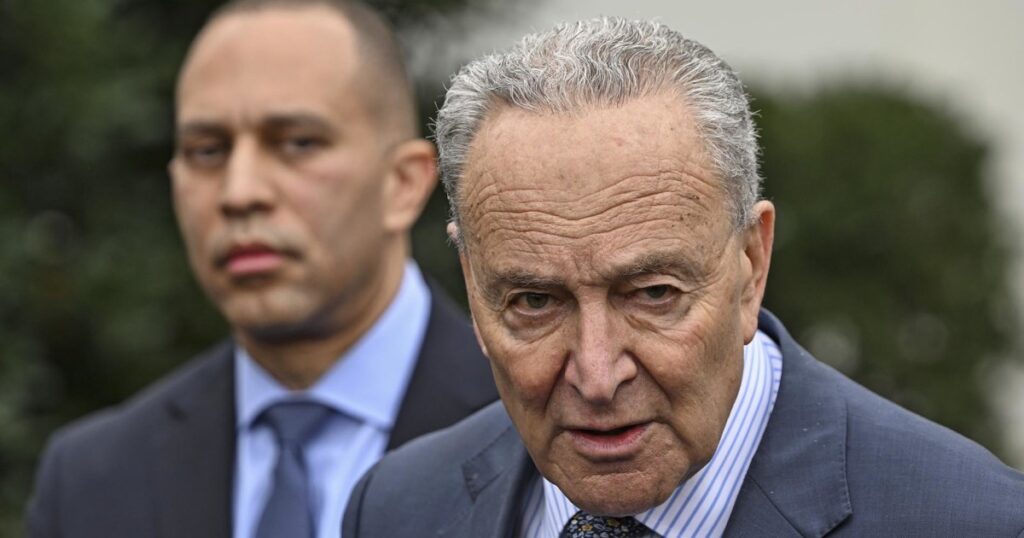
Senate Minority Leader Chuck Schumer has reaffirmed his commitment to leading the Senate Democrats amidst internal criticism for supporting a Republican-led measure to avert a government shutdown. Despite initial opposition, Schumer provided a crucial vote for the measure, defending his decision as necessary to prevent the shutdown and emphasizing his focus on opposing President Trump's agenda, particularly regarding Medicaid cuts. Alongside House Minority Leader Hakeem Jeffries, Schumer is working to unify the Democratic Party and concentrate on countering Republican policies, with his leadership being pivotal in shaping the party's strategy.
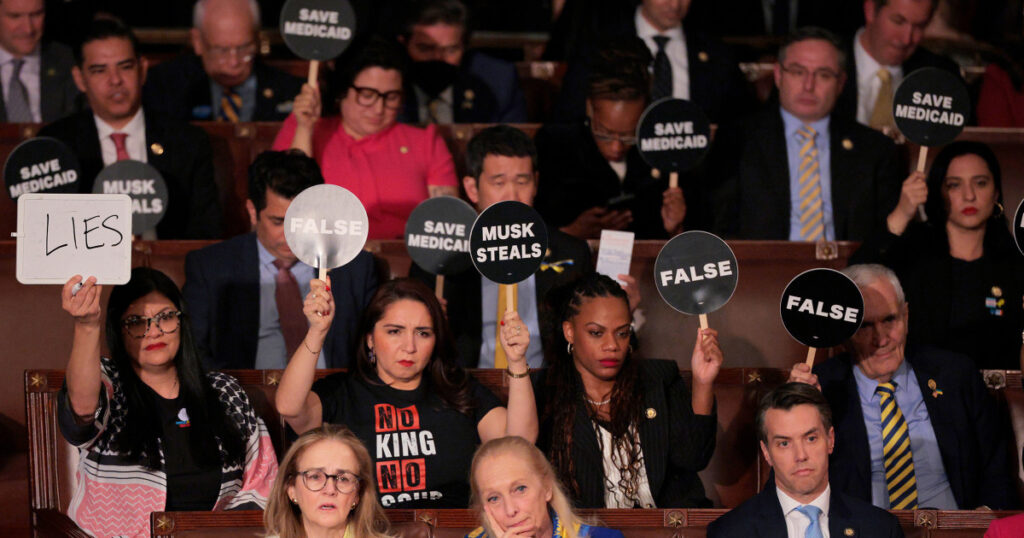
A recent NBC News poll indicates that only 27% of registered voters have a positive view of the Democratic Party, the lowest since 1990, partly due to dissatisfaction after the party's loss to Donald Trump in the 2024 election. Meanwhile, Senate Republicans passed a short-term spending bill to prevent a government shutdown, with support from several Senate Democrats, highlighting internal tensions within the party. The poll results and legislative actions underscore the need for the Democratic Party to reassess its strategies and address the concerns of its base to regain voter confidence.