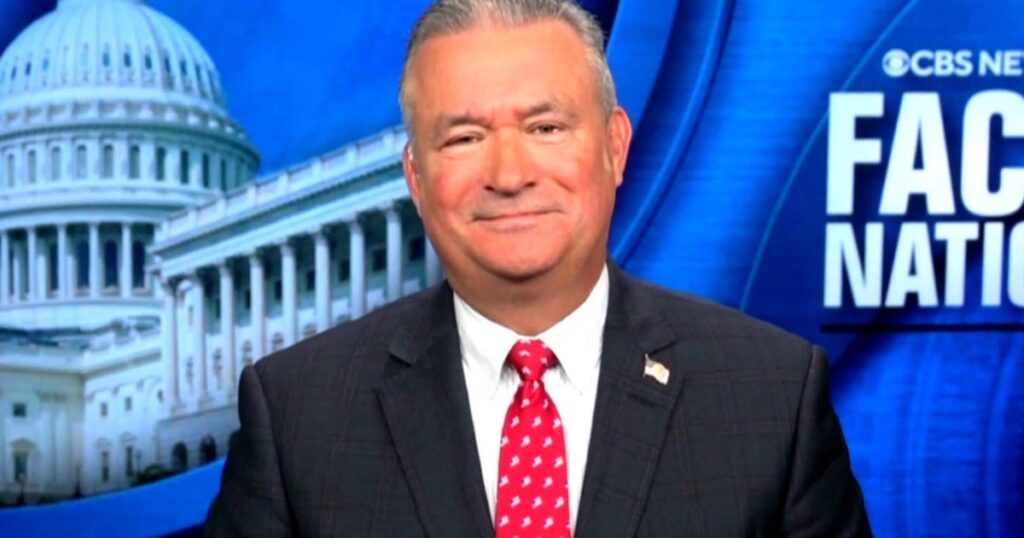
Rep. Don Bacon, a Republican from Nebraska, is advocating for a legislative proposal to restore congressional authority over tariffs, responding to concerns about the executive branch's overreach following President Trump's tariff implementations. This initiative parallels a similar Senate measure, highlighting bipartisan interest in re-evaluating the balance of power between Congress and the executive branch in trade policy. Despite growing support, House Speaker Mike Johnson opposes considering a Senate bill that would limit the President's unilateral tariff powers, reflecting ongoing debates about the separation of powers and congressional oversight in U.S. trade policy.
Posts tagged as “Animal House”
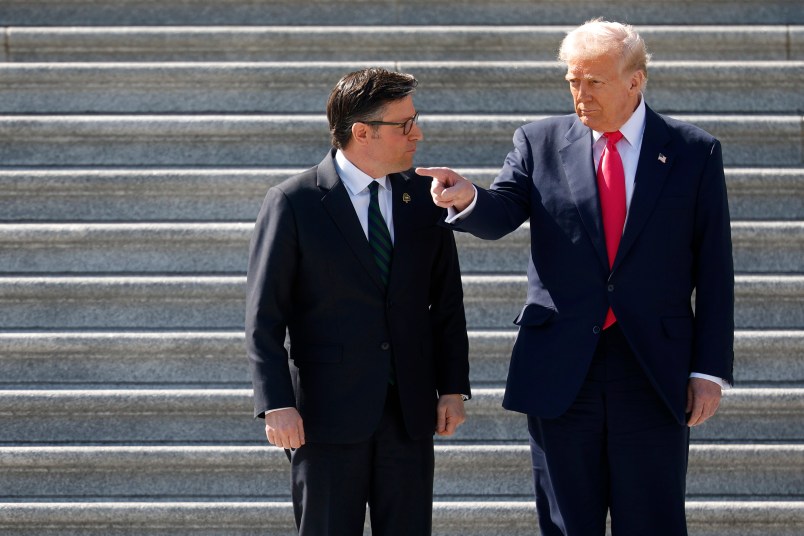
During a Senate Homeland Security and Governmental Affairs Committee hearing, Eric Ueland discussed the Trump administration's plan to propose a "rescission package" of government spending cuts, which has sparked debate over its constitutional validity. The proposed cuts have already faced legal challenges from conservative groups questioning their legal foundation, but the White House remains confident in its congressional support. Senator John Barrasso emphasized that the administration's intentions with the cuts are genuine and not merely a negotiation tactic, underscoring the complexities of federal budget management and the legal issues involved.
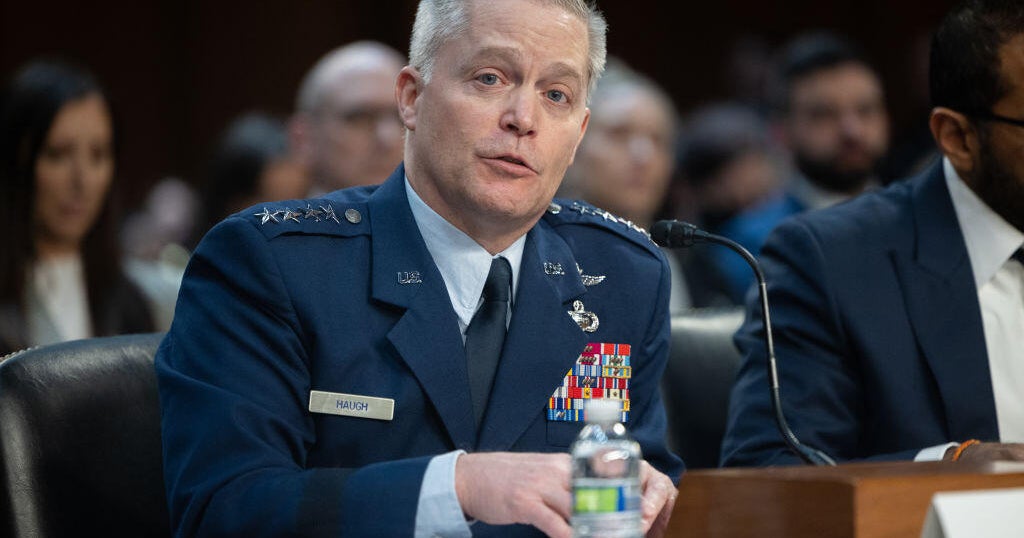
Significant leadership changes occurred at the National Security Agency (NSA) and U.S. Cyber Command with the removal of Gen. Timothy Haugh, confirmed by top Democrats on the House and Senate intelligence committees. Lt. Gen. William Hartman has been appointed as the acting NSA director, taking over from Haugh, who has over 30 years of experience in intelligence and cyber operations. The reasons for Haugh's dismissal remain unclear, and the implications of this leadership transition are yet to be fully understood.
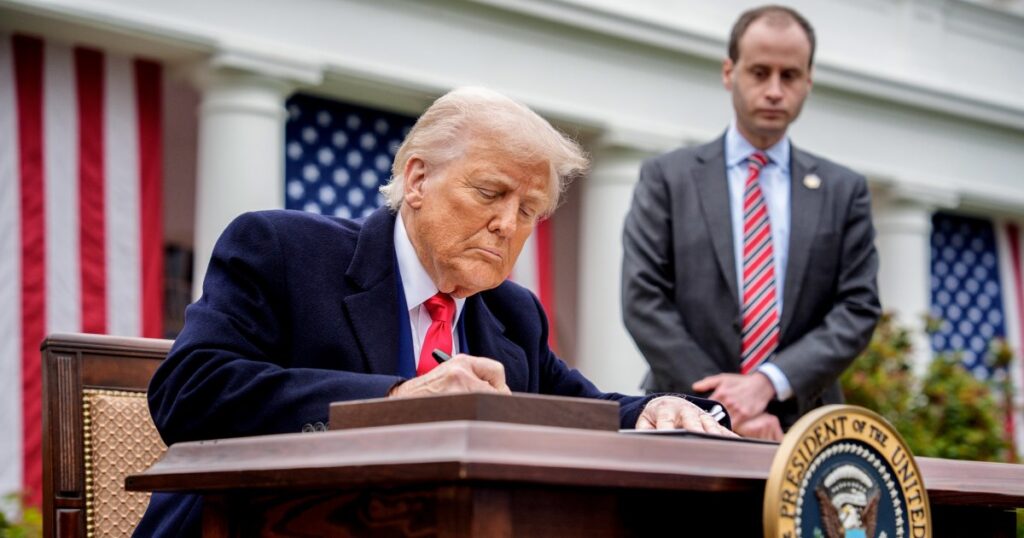
President Donald Trump's aggressive new tariffs have led to bipartisan concern in Congress, with lawmakers from both parties seeking to limit his tariff powers due to potential economic impacts. The Senate, with a Republican majority, has already voted to overturn tariffs on Canada, and further measures like the proposed Trade Review Act of 2025 aim to establish checks on the president's trade authority. As Congress explores additional strategies to counteract Trump's tariffs, financial markets have reacted with caution, highlighting the uncertainty surrounding U.S. trade policy and the ongoing debate over the balance of power between the executive and legislative branches.
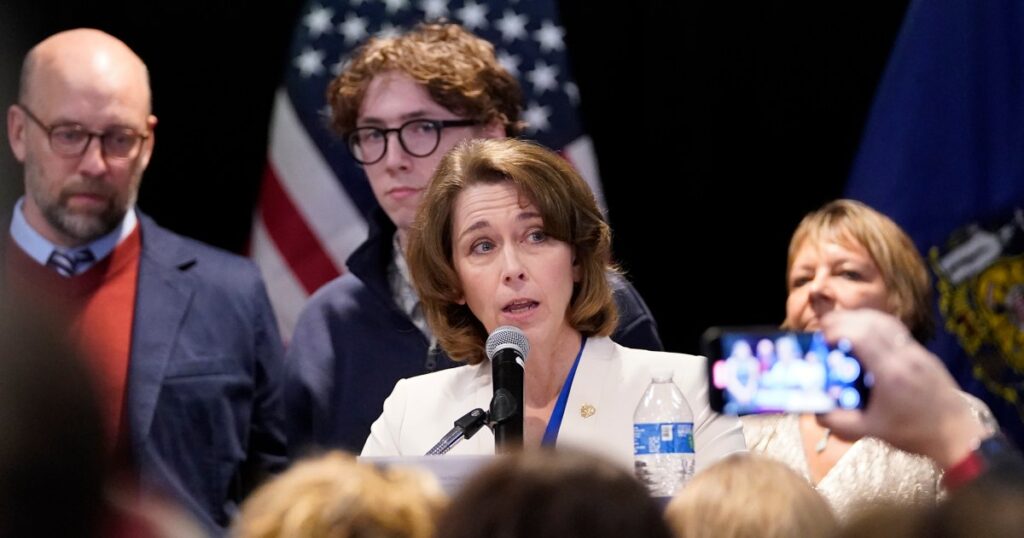
In Wisconsin's state Supreme Court race, liberal candidate Susan Crawford achieved a decisive victory over conservative Brad Schimel, despite Schimel receiving over $20 million in support from Elon Musk and endorsements from Donald Trump. The election, which saw a turnout of over 2.3 million voters, highlights the state's political dynamics and voter engagement in off-year elections. Crawford's win is seen as a boost for Democrats, reflecting strong voter mobilization efforts, while contrasting outcomes in Florida's special elections underscore the varied political landscape across the United States.
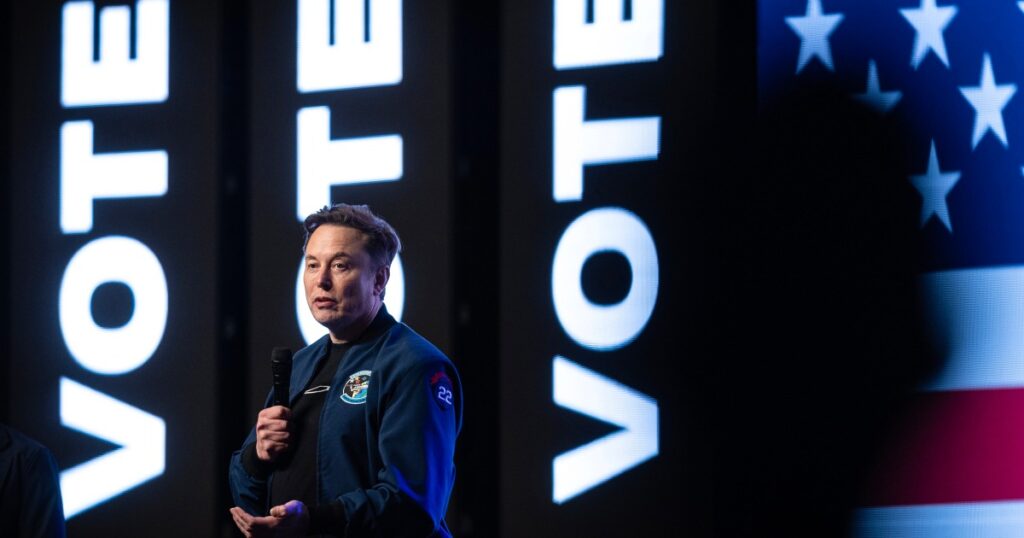
In Wisconsin, Judge Susan Crawford's victory in the Supreme Court election preserved the liberal influence within the state's highest judicial body, despite significant financial support for her opponent from Elon Musk. In Florida, the Republican Party succeeded in two special House elections, expanding their majority in the U.S. House of Representatives, with Jimmy Patronis and Randy Fine winning in the 1st and 6th Districts, respectively. These election outcomes underscore the shifting political dynamics and the impact of endorsements and financial contributions, prompting both parties to reconsider their strategies for future elections.
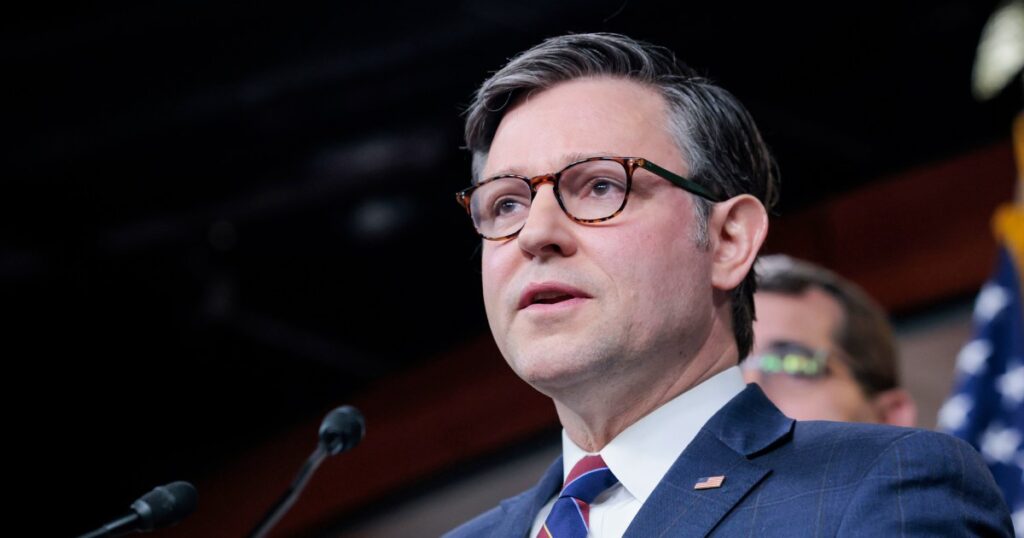
A procedural vote in the U.S. House of Representatives resulted in a temporary halt to legislative activities after nine Republican lawmakers joined all Democrats in opposing a GOP-led package of bills. The vote's failure, influenced by a controversial proposal for remote voting for new-parent lawmakers, highlights the internal divisions within the Republican Party and presents challenges for Speaker Mike Johnson. As the House adjourns for the week, the unusual coalition of Republicans and Democrats against the rule underscores the complexities of intra-party dynamics and may impact future legislative strategies.
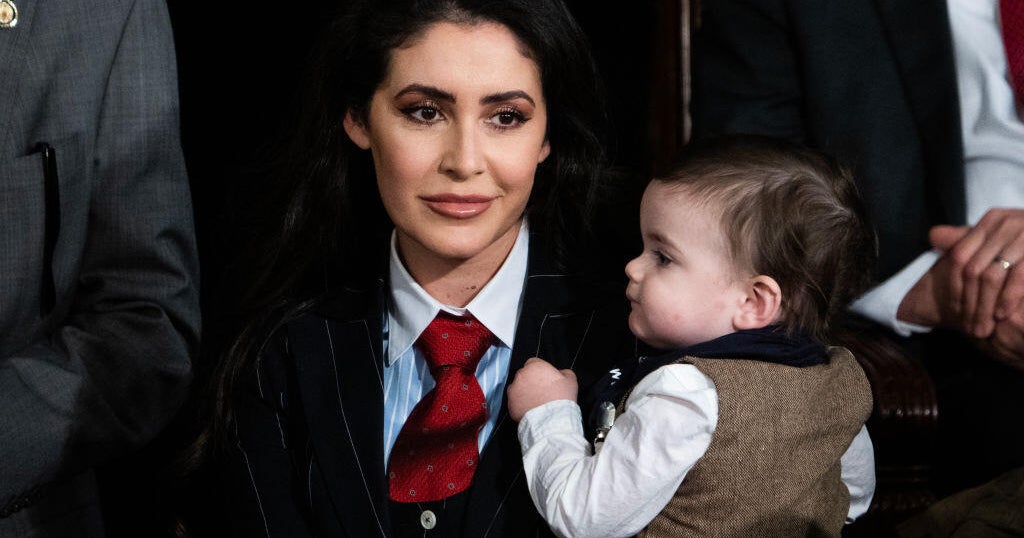
Oscar-winning director Oliver Stone is set to testify before Congress about newly released documents related to President John F. Kennedy's assassination, which have reignited public interest due to fewer redactions revealing sensitive information. Meanwhile, Republican Representative Anna Paulina Luna has initiated a discharge petition for a proposal allowing new parents in Congress to designate a colleague to vote on their behalf for up to 12 weeks, highlighting divisions within the House Freedom Caucus. These developments emphasize ongoing debates in Congress about transparency, privacy, and accommodating the evolving needs of lawmakers, reflecting broader discussions on government accountability and legislative modernization.