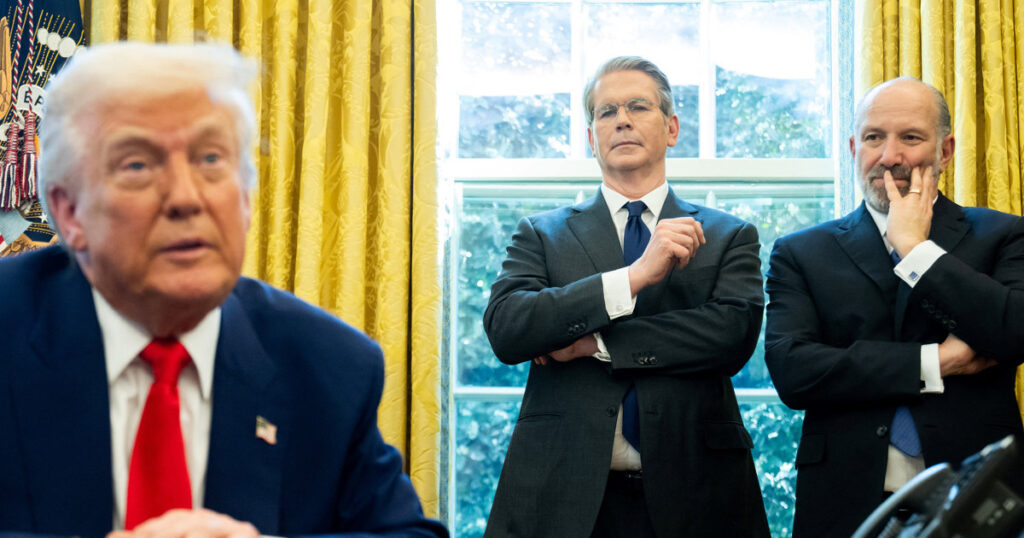
Recent developments in financial markets have shown unusual patterns, with both government bonds and stocks experiencing declines, contrary to their typical inverse relationship. This has raised concerns among global investors about confidence in the U.S. economy, further complicated by ongoing trade tensions with China, which have notably impacted American farmers, particularly in the Midwest. Neel Kashkari, president of the Federal Reserve Bank of Minneapolis, highlighted the challenges faced by these farmers due to tariffs, especially affecting soybean exports, a key product for states like Minnesota.
Posts tagged as “Advancing American Freedom”
The U.S. Customs and Border Protection office has announced exemptions for several high-tech products, including smartphones and computers, from the newly imposed 145% tariffs on Chinese imports, potentially shielding American consumers from price hikes. This decision is particularly significant for companies like Apple, which rely on Chinese manufacturing, as it could prevent substantial price increases and supply chain disruptions. By excluding key technology items from the high tariffs, the U.S. government aims to mitigate the economic impact on consumers and businesses, maintaining the affordability and accessibility of essential electronic devices.
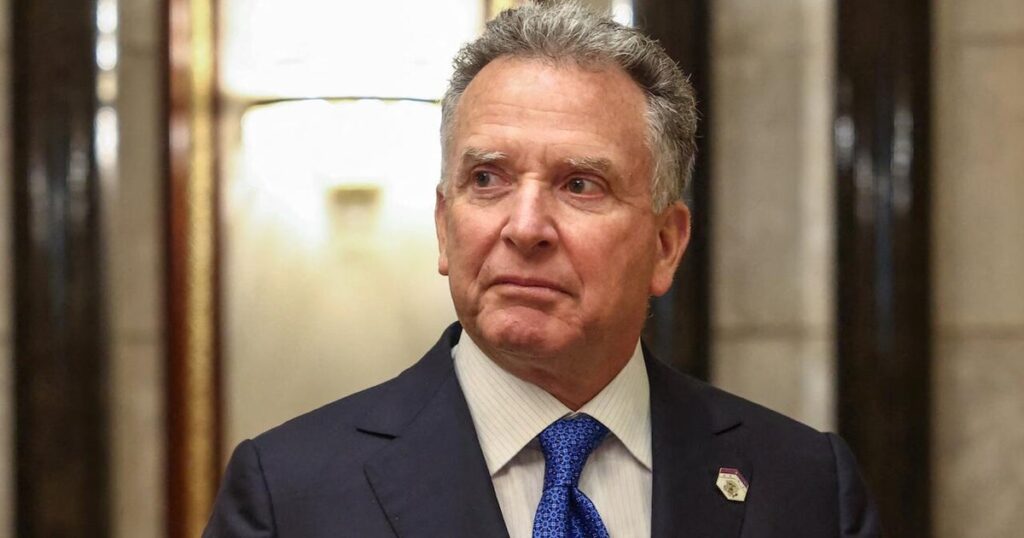
In a recent U.S.-Russia prisoner exchange, dual national Ksenia Karelina, a former ballerina sentenced to 12 years in a Russian penal colony for allegedly supporting Ukraine's military, returned to the United States. The exchange involved Arthur Petrov, accused of forming a global smuggling spy ring, though details of his activities remain undisclosed. Facilitated by U.S. special envoy Steve Witkoff, this exchange underscores the complexities of diplomatic negotiations and marks a significant moment in U.S.-Russia relations.
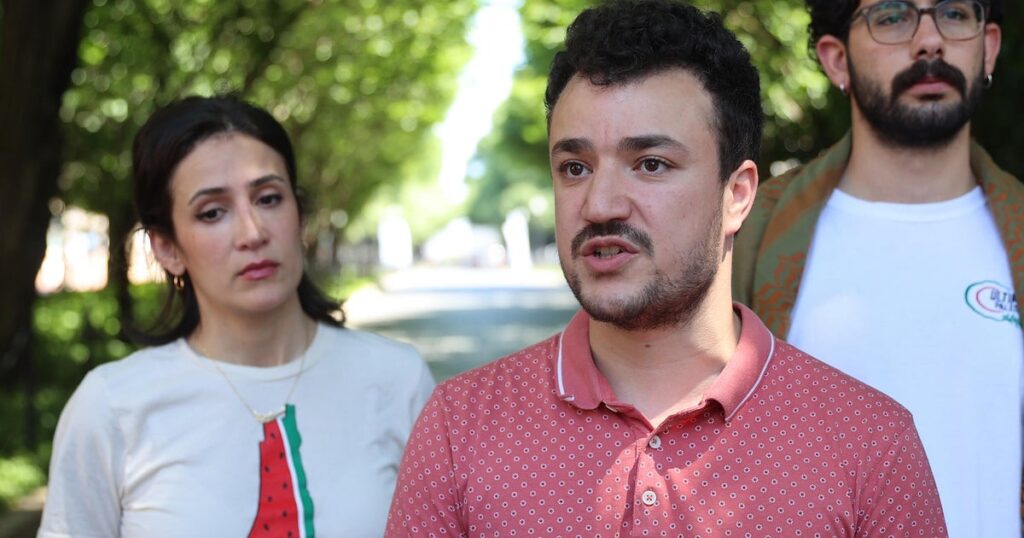
The Trump administration has submitted a memorandum to a Louisiana immigration court, citing national security concerns to justify the deportation of Mahmoud Khalil, a Columbia University student involved in protests against U.S. foreign policy. The legal argument is based on a provision in the Immigration and Nationality Act of 1952, which allows for the deportation of noncitizens deemed detrimental to national foreign policy interests. The case has garnered attention due to its unusual legal basis and potential implications for student activists and noncitizens engaged in political protests, possibly setting a precedent for future cases at the intersection of immigration law and national security.
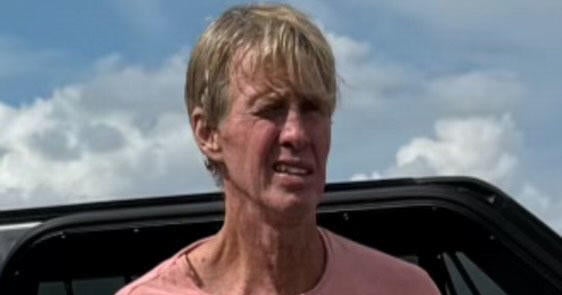
Ryan Routh, already facing federal charges for attempting to assassinate then-presidential candidate Donald Trump, is now being charged by Florida with state terrorism and attempted first-degree murder. Florida Attorney General James Uthmeier emphasized that Routh's alleged actions were not just an attack on an individual but a broader assault on the nation's political system and values. The new state charges add complexity to Routh's legal situation, highlighting the serious nature of threats against political figures and their implications for national security and democratic processes.
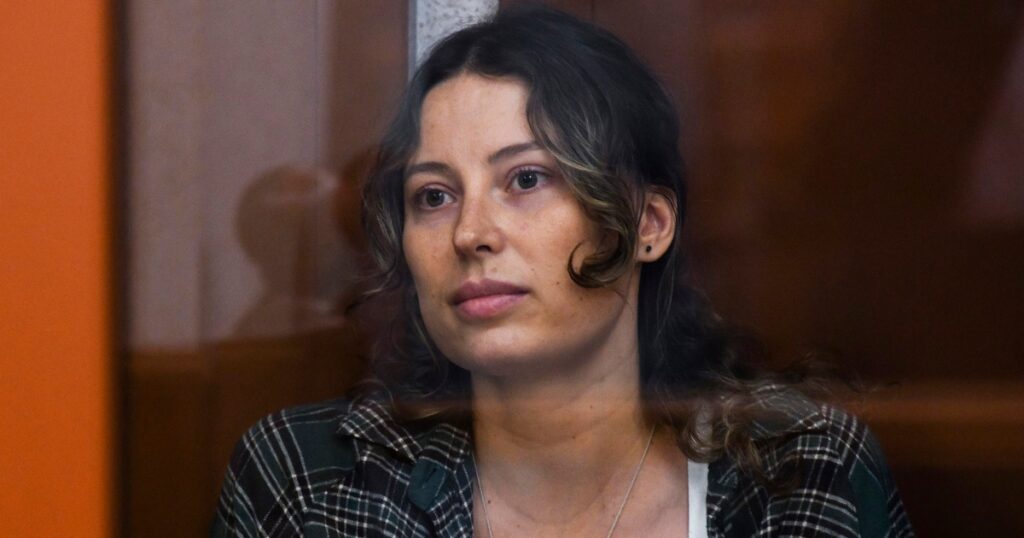
Ksenia Karelina, a dual U.S.-Russian national previously imprisoned in Russia on treason charges, has been released and is returning to the United States, as announced by U.S. Secretary of State Marco Rubio. Her release, reportedly part of a prisoner swap between the U.S. and Russia, underscores ongoing diplomatic negotiations concerning individuals detained on espionage or treason charges. Karelina's case highlights the complexities of international legal and diplomatic proceedings, particularly for dual nationals caught in geopolitical tensions.
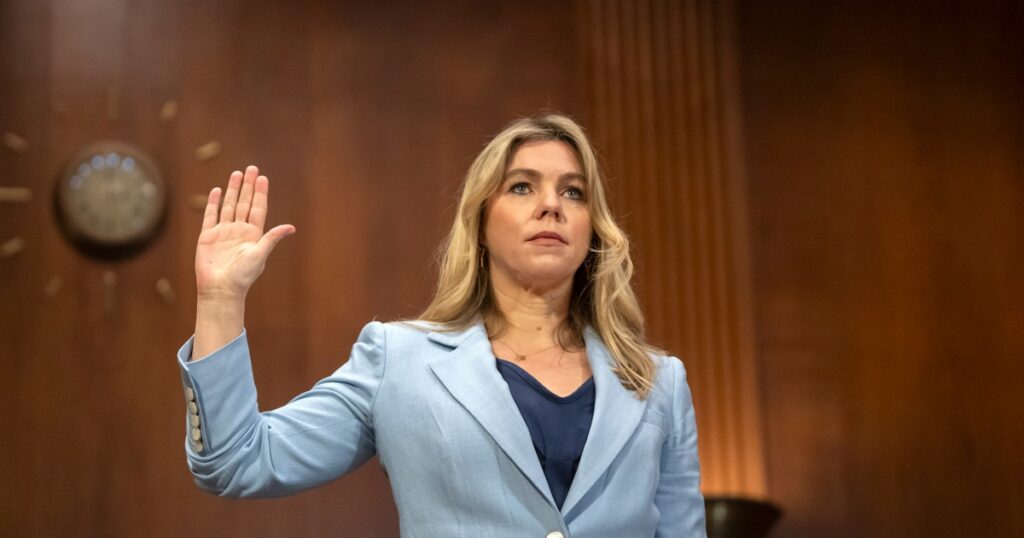
A Senate Judiciary subcommittee on crime and terrorism convened to examine Meta's operations in China, featuring testimony from former employee Sarah Wynn-Williams, who criticized the company's collaboration with the Chinese government. Wynn-Williams alleged that Meta developed censorship tools for the Chinese Communist Party and allowed access to user data, including American users, by Chinese authorities, raising bipartisan concerns about data security and censorship. Senators expressed disapproval of Meta's practices, with plans to further investigate and potentially seek testimony from CEO Mark Zuckerberg, highlighting ongoing scrutiny of the company's ethical practices.
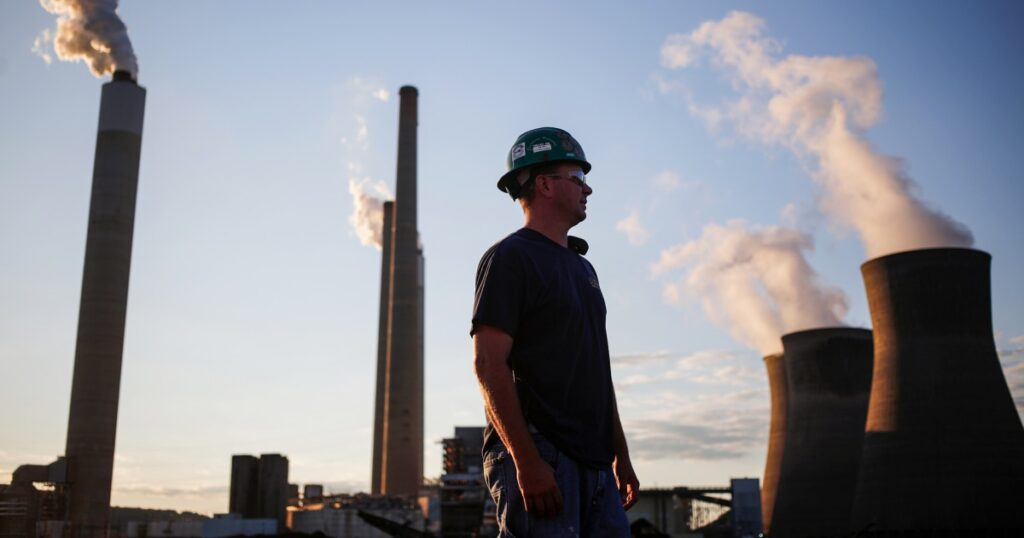
President Donald Trump signed a series of executive orders aimed at revitalizing the U.S. coal industry by relaxing restrictions on coal mining, leasing, and exports, with the goal of meeting the energy demands of AI data centers. The administration emphasized its commitment to supporting the coal industry, highlighting the importance of coal-related jobs, despite international efforts to reduce reliance on coal due to its significant contribution to greenhouse gas emissions. Additionally, Trump mentioned exploring legal avenues to prevent the closure of coal plants, aligning with his broader strategy to support the coal industry and its workforce.