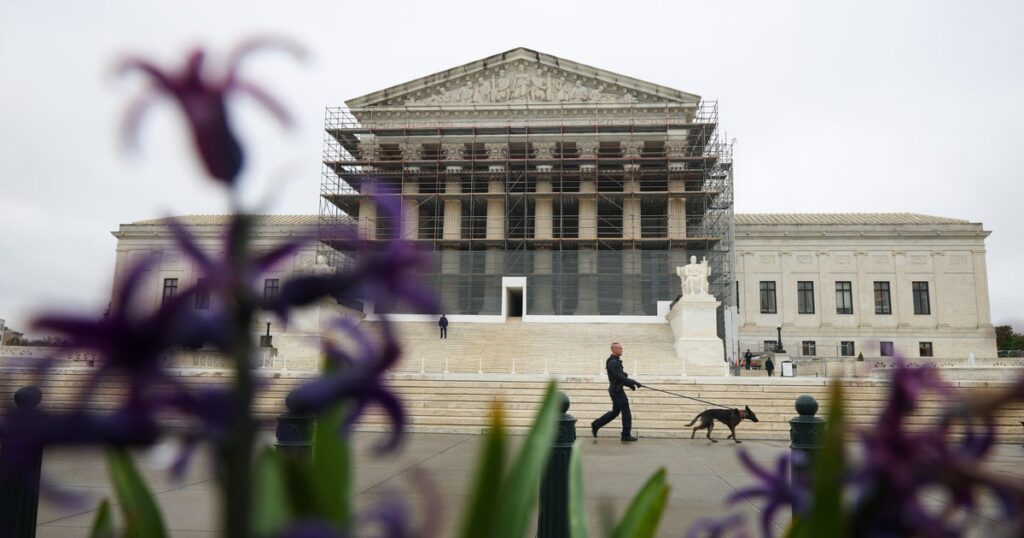
The United States Supreme Court is set to deliberate on a pivotal case concerning the Affordable Care Act's provisions for preventive healthcare services, specifically focusing on the U.S. Preventive Services Task Force's role in recommending services that insurers must cover without charging patients. Originating from a federal appeals court ruling in New Orleans, the case challenges the classification and authority of the task force, with Christian employers and individuals arguing that the mandate to provide no-cost HIV prevention medication conflicts with their religious beliefs. The outcome could significantly impact the landscape of preventive healthcare coverage in the U.S., potentially altering the scope of services covered without patient cost-sharing and sparking broader discussions on healthcare policy and religious freedom.
Posts tagged as “Advancing American Freedom”
A significant protest occurred near the White House, where individuals gathered to oppose President Donald Trump's policies, particularly highlighting the wrongful deportation of Kilmar Abrego Garcia as a violation of due process rights. Protester Susie Stern emphasized the need for fair treatment under the law for everyone, regardless of their background. In a related development, Secretary of State Marco Rubio suggested the U.S. might withdraw from negotiations to end the war in Ukraine, reflecting the growing tensions and uncertainties in U.S. foreign and domestic policies.

Juan Carlos Gomez-Lopez, a U.S.-born citizen, was detained in Florida at the request of immigration authorities despite a court confirming his citizenship, highlighting issues in immigration enforcement practices. His arrest under a state immigration law, which is currently blocked, has drawn attention to the potential for administrative errors to affect individuals' lives. In a related incident, Maryland Senator Chris Van Hollen was denied access at a military checkpoint in El Salvador while attempting to address the wrongful deportation of Kilmar Abrego Garcia, underscoring the complexities of international immigration issues and the impact of administrative mistakes.
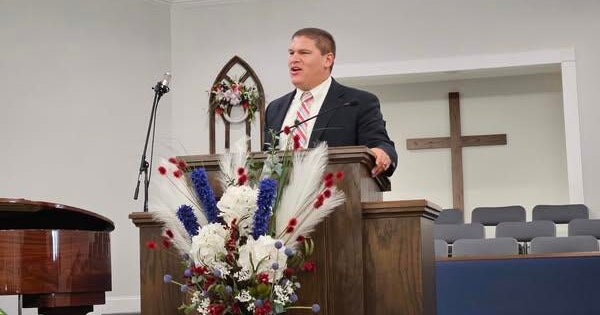
American pastor Josh Sullivan was rescued in South Africa after being kidnapped at gunpoint during a church service in Motherwell Township. The rescue operation, led by the Hawks, involved a shootout at a safe house in Gqeberha, resulting in the deaths of three suspects. While the motives behind the kidnapping remain unclear, the successful rescue highlights the challenges faced by religious communities and the efforts of South African authorities to combat organized crime.
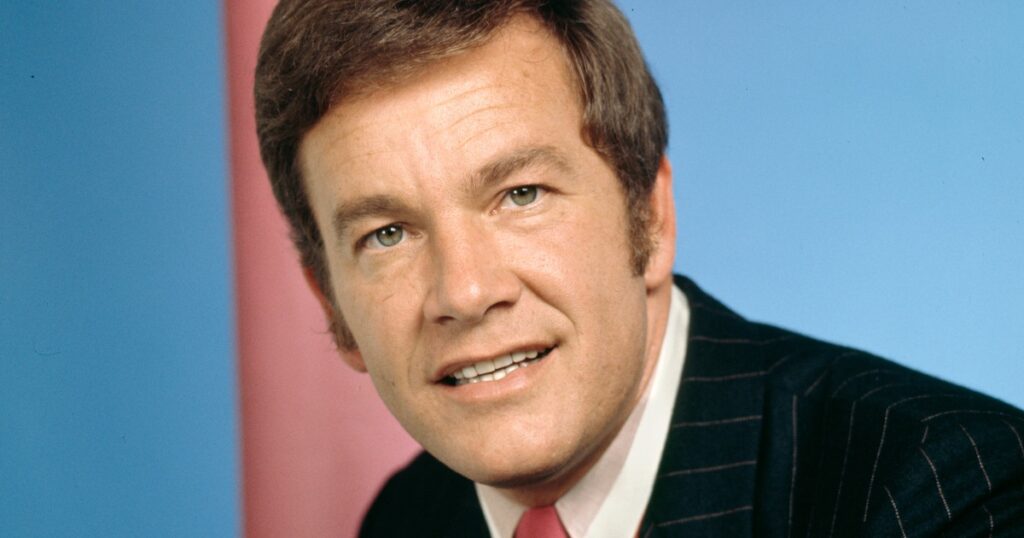
Wink Martindale, a legendary television game show host known for his charismatic presence, has died at the age of 89, leaving behind a remarkable 74-year career that began when he was just 17. Martindale was celebrated for his roles on iconic game shows like "Gambit," "Tic-Tac-Dough," and "High Rollers," and his ability to connect with audiences made him a beloved figure in the industry. Tributes from fans and colleagues highlight his enduring legacy and the lasting impression he left on television, ensuring he will be fondly remembered for generations.
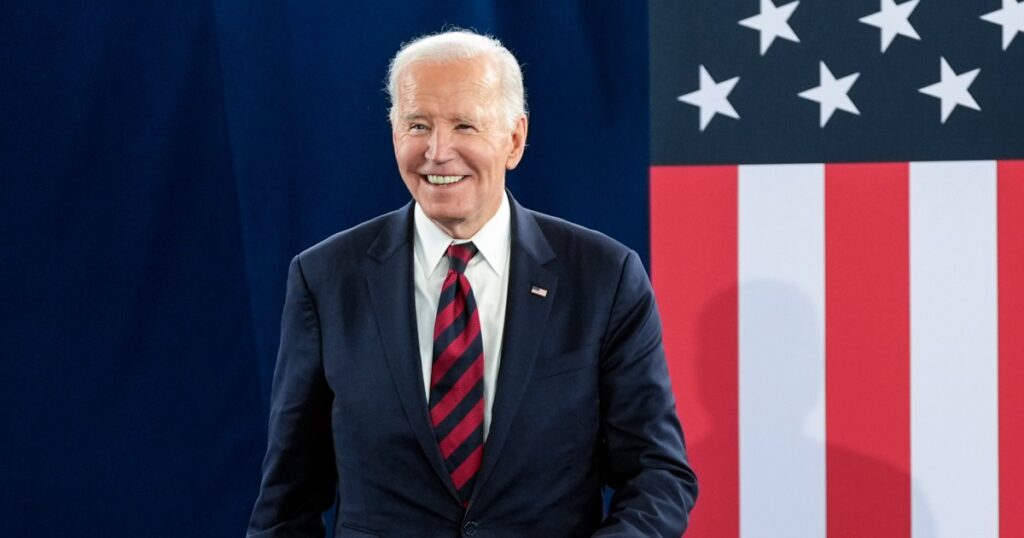
Former President Joe Biden delivered his first public remarks since leaving office, addressing disability advocates and emphasizing the importance of preserving Social Security while criticizing the current administration's approach. He expressed concern over the nation's direction under President Donald Trump, urging unity and suggesting that recent actions have caused significant damage. Although Biden mocked some claims by the Trump administration, he avoided direct attacks and did not discuss his future political plans, but he is expected to speak further at an upcoming convention in Chicago.

Education groups have filed a lawsuit against the Department of Energy to prevent the implementation of a new policy that would cap "indirect costs" on federal research grants at 15%, arguing that such cuts could harm scientific research at American universities. The plaintiffs express concerns that the funding reductions could negatively impact the United States' leadership in global innovation, particularly in critical areas like nuclear deterrence and energy development. This legal challenge underscores ongoing tensions over research funding allocation and its implications for universities' educational missions and tax-exempt status.
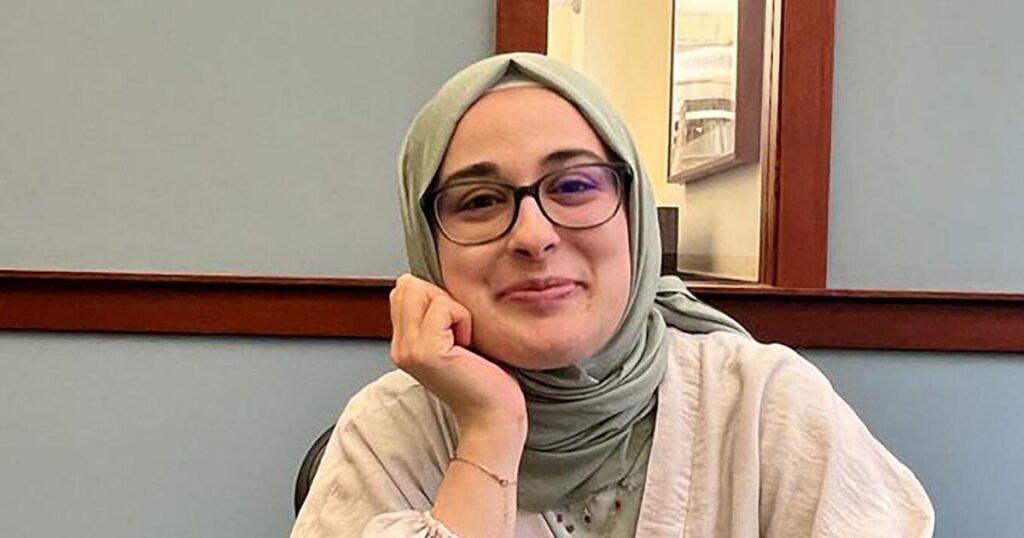
Rumeysa Öztürk, a doctoral student from Tufts University, has described the conditions at a Louisiana ICE facility as "inhumane" and "unsafe," citing limited access to food, prolonged waits for necessities, and inadequate medical treatment. Her detention, following the revocation of her student visa, has led to legal proceedings in Vermont, where she challenges the detention on free speech grounds, amid broader concerns about visa revocations linked to support for Palestinians. Additionally, Öztürk reported an incident where a nurse allegedly removed her hijab without permission, raising further concerns about detainee treatment and respect for personal and religious rights within ICE facilities.