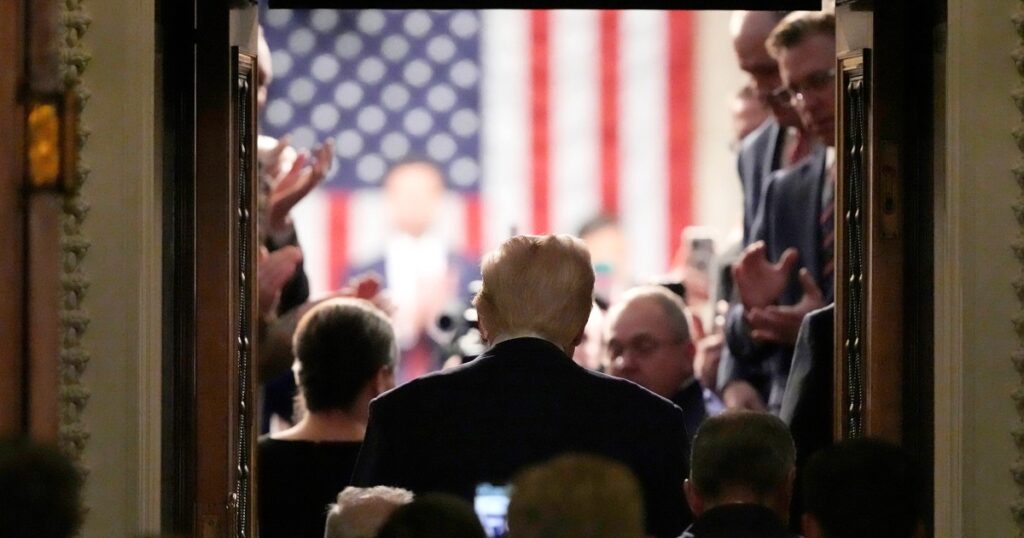
In the first 100 days of his second term, President Donald Trump has signed 142 executive orders, reflecting a swift and decisive approach to governance aimed at implementing his agenda across various policy areas. Despite ambitious goals such as ending the war in Ukraine and resolving major international conflicts, many elements of his agenda face challenges, including legal hurdles and opposition in Congress. As the effects of his executive actions continue to unfold, the administration's approach has sparked both support and criticism, with debates ongoing about the implications for the United States and its global role.
Posts tagged as “Advancing American Freedom”
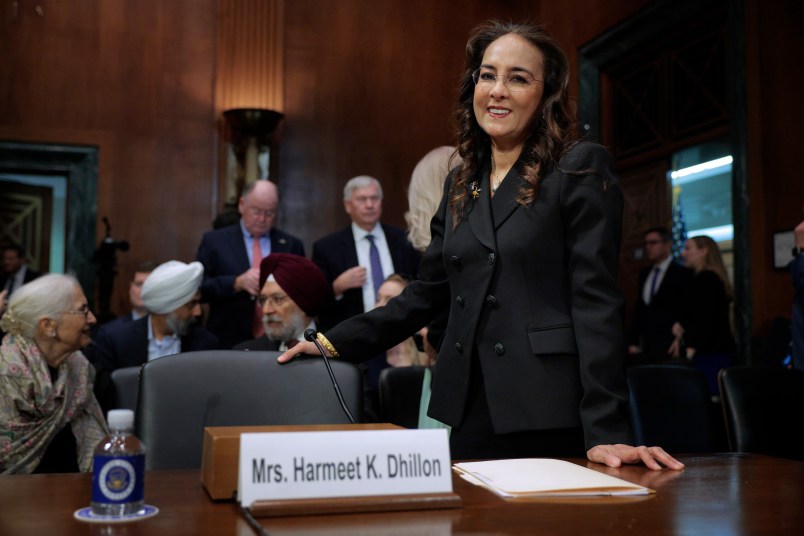
President Donald Trump is marking his 100th day in office with a visit to Macomb County, Michigan, a key region for his electoral base, highlighting his efforts to reshape the political landscape. During his early tenure, Trump has focused on transforming American governance, notably impacting the Department of Justice's Civil Rights Division, which has seen significant turnover and a shift in priorities. As Trump reflects on his initial 100 days, the nation continues to debate the implications of his policies on civil rights and the broader societal and governmental changes under his administration.
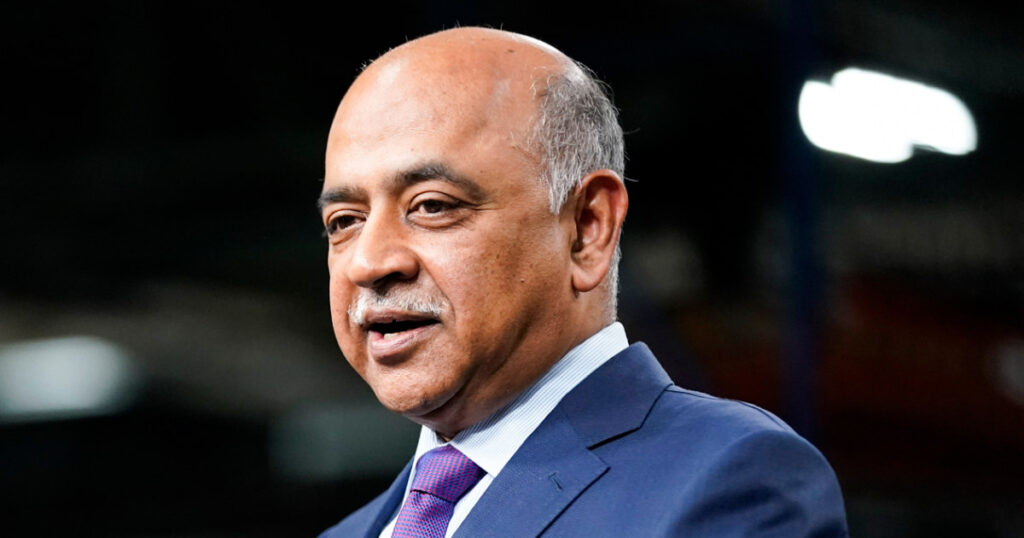
IBM has announced a $150 billion investment plan over the next five years to strengthen its operations in the United States, with a focus on research and development for mainframe and quantum computers. This initiative aligns with recent U.S. government policies aimed at boosting domestic manufacturing, such as President Trump's "reciprocal" tariff policy. IBM CEO Arvind Krishna emphasized the investment's role in maintaining the company's leadership in advanced computing technologies and its longstanding commitment to American jobs and manufacturing.

The conflict in Yemen has intensified with the U.S. military's increased airstrike campaign against Houthi rebels, targeting over 800 locations since mid-March. A recent alleged U.S. airstrike on a prison in the Saada governorate reportedly killed 68 African migrants, prompting scrutiny and criticism from activists. This escalation occurs amid U.S.-Iran nuclear negotiations, raising concerns about the broader implications for regional stability and humanitarian issues.
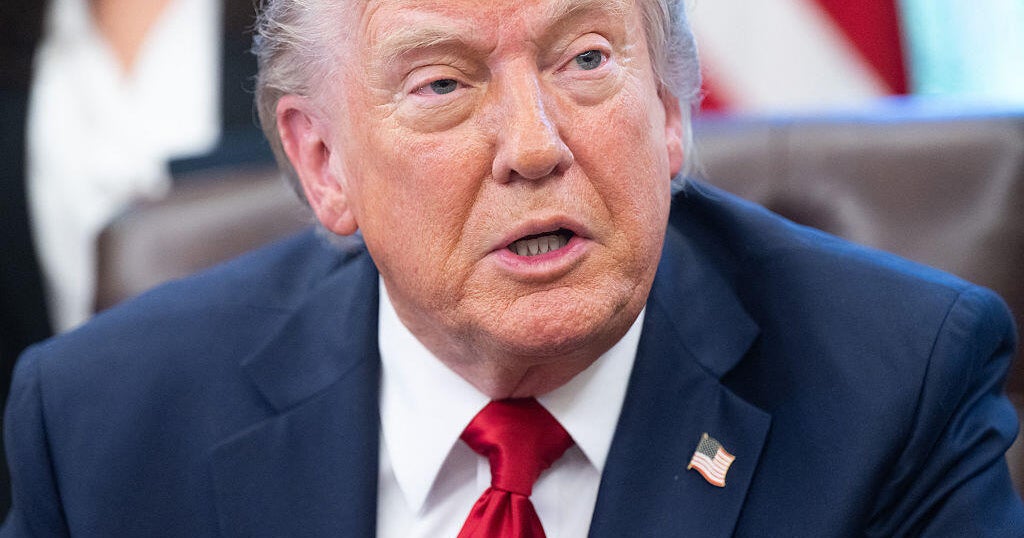
Twelve states have filed a lawsuit against President Donald Trump's tariff policy, arguing it disrupts the constitutional balance of power by undermining Congress' authority to regulate foreign commerce. Spearheaded by Arizona and Oregon's Attorneys General, the lawsuit seeks to halt the enforcement of tariffs imposed under a wartime law, claiming the application of this law is unlawful and has led to economic instability. The case highlights ongoing debates about presidential powers in trade matters and could significantly impact the balance of power between the executive branch and Congress.
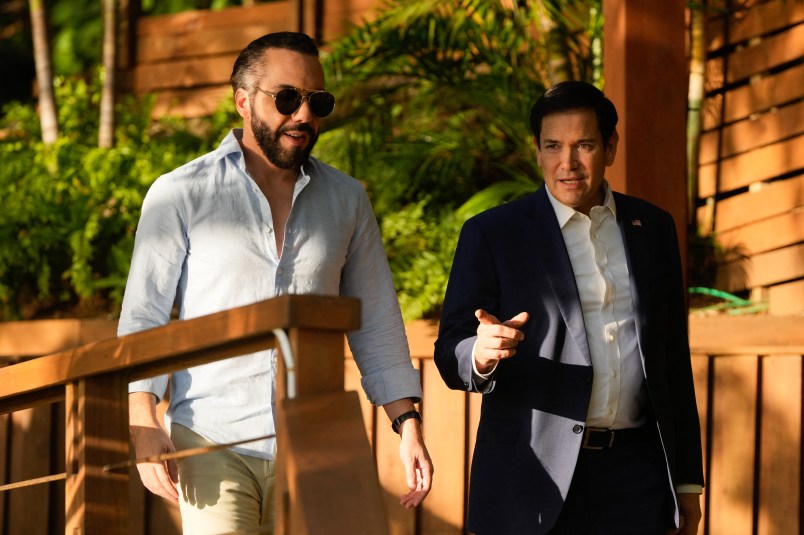
A federal judge in Denver has issued a temporary restraining order to halt the removal of migrants from Colorado under the Alien Enemies Act, amid concerns over the Trump administration's policy of transferring migrants to prisons in El Salvador. This decision follows legal challenges from the ACLU and the Rocky Mountain Immigrant Advocacy Network, who argued against the potential deportation of two Venezuelan men to a Salvadoran facility. The ruling has sparked significant debate over the use of the Alien Enemies Act and the implications of international agreements on U.S. immigration policies, as the case continues to unfold.

The Environmental Protection Agency (EPA), under Administrator Lee Zeldin, has initiated significant regulatory rollbacks as part of President Trump's agenda to boost American energy production, including revisiting rules on power plants and wastewater regulations. The agency has also undergone a major restructuring, terminating approximately 280 employees, primarily those involved in environmental justice and diversity initiatives, to realign its focus. Despite concerns about potential negative impacts on health and the environment, the administration maintains that these deregulatory actions will not harm public welfare, framing them as a historic shift in reducing regulatory burdens on the energy sector.

The passing of Pope Francis, the first Argentine pope, has initiated the ancient rituals and traditions of the Roman Catholic Church, as outlined in the "Ordo exsequiarum Romani pontificis," marking the transition to new papal leadership. These time-honored customs, including the camerlengo's ceremonial role and the conclave of 135 Cardinal Electors in the Sistine Chapel, ensure both the honoring of the deceased pope and the continuity of Church leadership. The conclave, conducted in secrecy, is a pivotal event that determines the future direction of the Church, influencing Catholics worldwide.