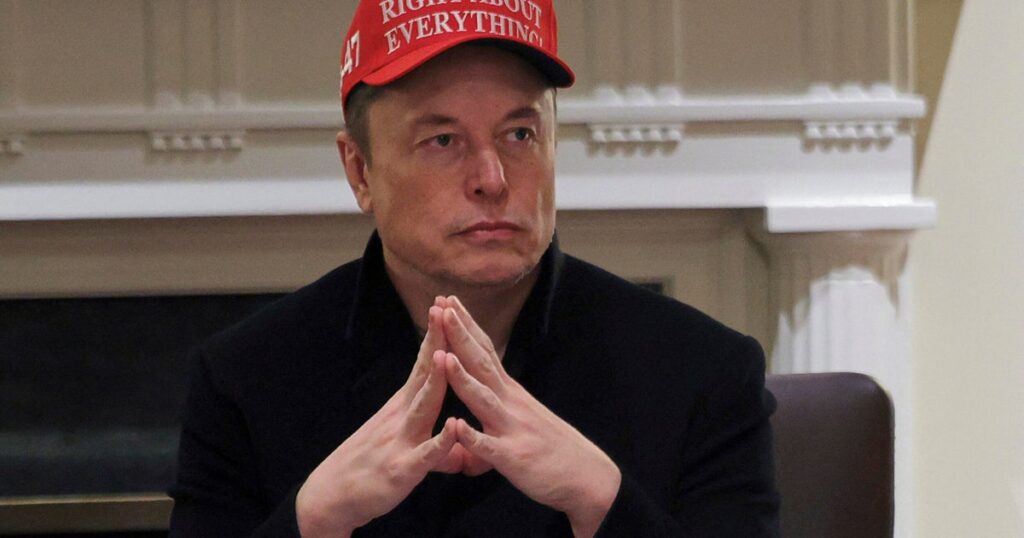
More than 80 national and local organizations have raised concerns about the Trump administration's actions, which they claim threaten the judiciary's independence and the system of checks and balances in American democracy. These groups argue that the administration's efforts to consolidate power could undermine the rule of law and individual rights. Additionally, the relationship between President Trump and Elon Musk, who serves informally as an adviser, has attracted attention, especially given Musk's involvement in government activities and the administration's broader agenda.
Posts tagged as “Advancing American Freedom”
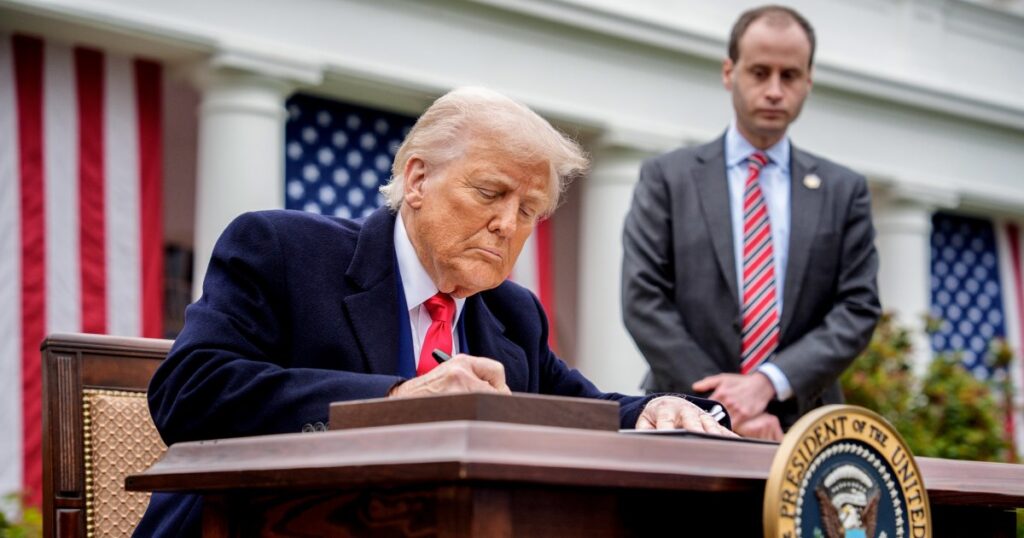
President Donald Trump's aggressive new tariffs have led to bipartisan concern in Congress, with lawmakers from both parties seeking to limit his tariff powers due to potential economic impacts. The Senate, with a Republican majority, has already voted to overturn tariffs on Canada, and further measures like the proposed Trade Review Act of 2025 aim to establish checks on the president's trade authority. As Congress explores additional strategies to counteract Trump's tariffs, financial markets have reacted with caution, highlighting the uncertainty surrounding U.S. trade policy and the ongoing debate over the balance of power between the executive and legislative branches.

Kilmar Abrego Garcia, a 29-year-old Maryland resident, was mistakenly deported to El Salvador and is currently held in a maximum-security prison, despite having been granted protection from deportation in 2019 due to potential dangers he might face there. This administrative error by the Trump administration has led to legal action and significant concern from his family, particularly affecting his young son who misses his father deeply. As legal proceedings unfold, Abrego Garcia's family and legal team are working to correct the mistake and highlight the broader issues and complexities within the U.S. immigration system.

President Donald Trump has announced new tariffs on imports from several Asian nations, including a significant 34% levy on Chinese goods, marking a major shift in U.S. trade policy. The termination of the de minimis trade exemption, effective May 2, is part of a broader strategy to counter perceived unfair trade practices, with additional reciprocal taxes set to impact goods from approximately 90 countries. These measures have sparked concerns about potential global trade disruptions and retaliatory actions, prompting stakeholders to prepare for changes that could affect supply chains and economic stability.
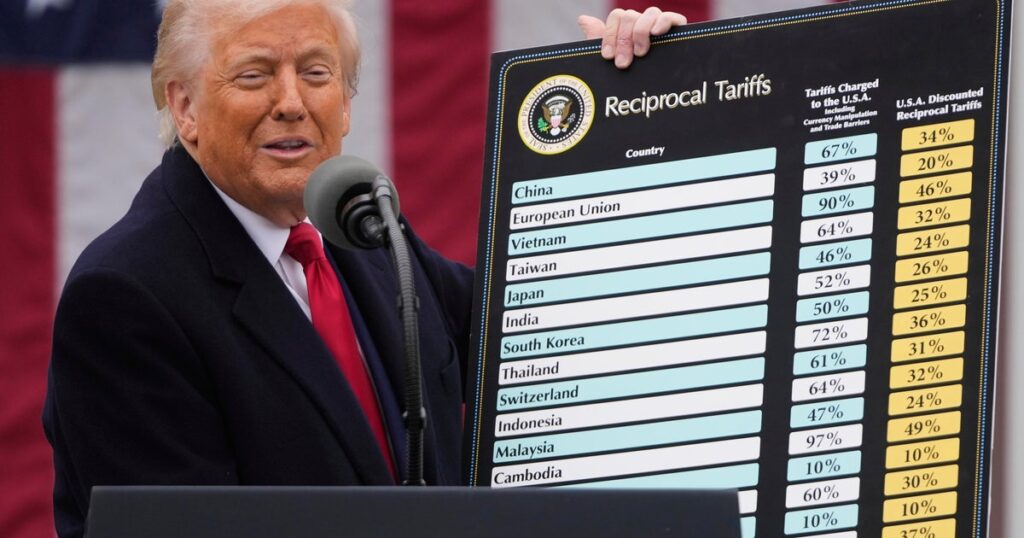
On April 2, President Donald Trump announced new tariffs, including a 10% universal tariff on imports and reciprocal tariffs targeting 60 trade partner countries, aiming to address trade imbalances. The announcement led to significant reactions in global markets, with declines in U.S. stock indexes and concerns about economic impacts, as companies reliant on global supply chains saw their stock values drop. The tariffs are expected to increase costs for U.S. importers like Walmart and Amazon, potentially leading to higher consumer prices and exacerbating financial strain amid existing inflationary pressures.

A U.S. armored vehicle that went missing during a training exercise in Lithuania has been recovered after a six-day search, but the four American soldiers who were on board remain unaccounted for. The vehicle was found at the General Silvestras Žukauskas training ground, and both Lithuanian and U.S. authorities are investigating the circumstances of the incident. The situation highlights the challenges of military training in difficult terrain, and both countries are working together to ensure the safety of military personnel.
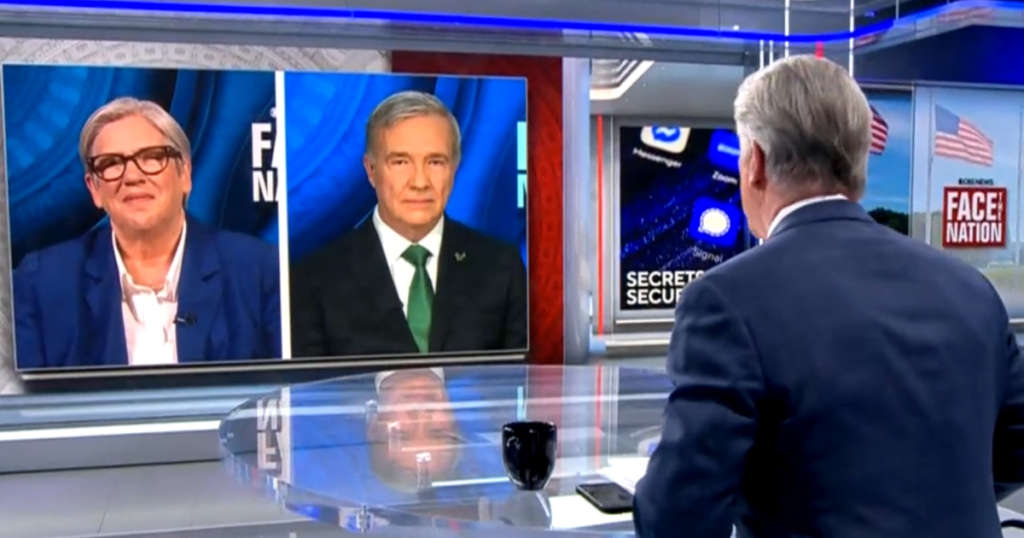
A CBS News poll reveals that 76% of Americans find the use of the messaging app Signal by administration officials to discuss military plans inappropriate, with this view shared by a majority of independents and Republicans. The controversy is intensified by Vice President JD Vance's concerns over President Trump's decision to strike the Houthis in Yemen, which were expressed in a public Signal chat, causing discontent among senior Republican lawmakers. This situation highlights a broader debate about the appropriateness and security of using non-traditional communication methods for sensitive military discussions, reflecting public concern over transparency and the administration's foreign policy strategy.

Faye Hall, an American citizen detained by the Taliban since February, has been released and is now under the care of Qatari officials in Kabul, following negotiations led by former U.S. envoy Zalmay Khalilzad. Her detention, alongside two British nationals and their Afghan translator, reportedly involved charges related to the use of a drone. While the specifics of the negotiations remain undisclosed, Hall's release underscores the ongoing diplomatic efforts to secure the freedom of foreign nationals in Afghanistan and the complexities involved in dealing with the Taliban-led government.