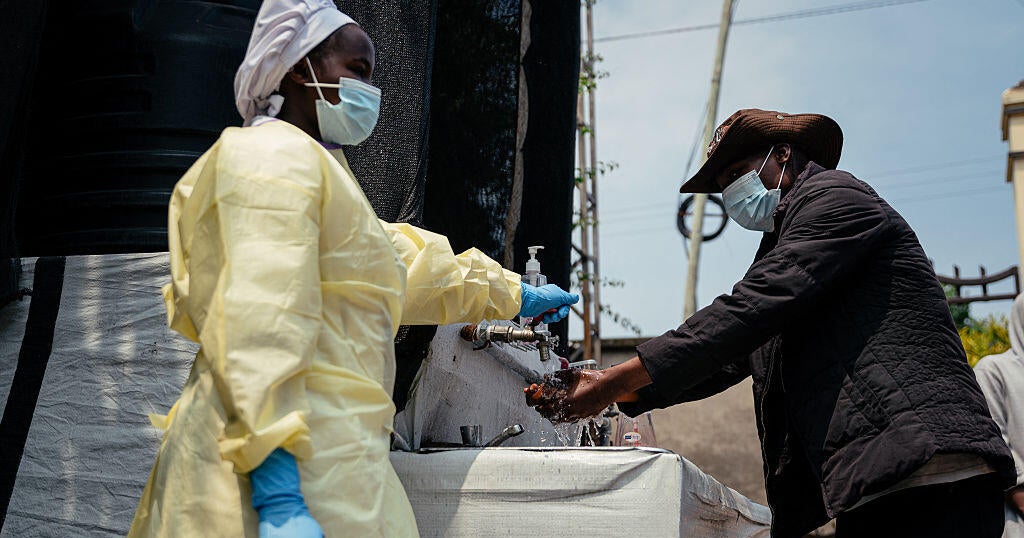
More than 1,100 Afghan refugees who supported the U.S. remain stranded at Camp As Sayliyah in Qatar, facing a March 31 deadline to relocate to an unspecified third country or return to Taliban-controlled Afghanistan, despite risks of persecution. Advocacy groups criticize the Trump administration’s handling of the situation, calling the camp a “prison camp” and expressing concerns about the refugees’ uncertain futures, while the State Department defends the closure as necessary and humane. Meanwhile, escalating tensions in the Middle East, particularly involving Iran’s unyielding stance and militia activities, complicate regional security and diplomatic efforts, highlighting the broader challenges affecting both refugees and U.S. foreign policy.
Posts tagged as “Advancing American Freedom”
More than 3,500 U.S. troops, including approximately 2,500 Marines aboard the USS Tripoli, have been deployed to the Middle East amid escalating tensions with Iran following recent missile and drone attacks on Saudi Arabia that injured U.S. personnel. The conflict has disrupted global oil exports and shipping routes, with Iranian-backed Houthi rebels also entering the fray, raising concerns over maritime security. Despite rising hostilities and military preparations, diplomatic efforts continue, with the U.S. proposing a peace plan that Iran has rejected, while both sides maintain readiness for further confrontation.
Millions are expected to participate in the nationwide "No Kings" protests against President Trump, with over 3,100 events planned across the U.S. and a flagship rally in St. Paul, Minnesota, drawing significant attention due to recent federal immigration enforcement controversies. The movement, which began with a smaller demonstration in Paris, aims to oppose various Trump administration policies, including immigration enforcement, healthcare cuts, and perceived abuses of power, and features appearances by notable activists and musicians. Despite White House dismissals of the protests as politically motivated, organizers highlight widespread support from diverse regions, including rural and suburban areas, and the movement has gained international traction with events planned globally.
The ongoing partial government shutdown has severely impacted TSA workers, many of whom have gone unpaid for over a month, leading to financial hardship, increased absenteeism, and long wait times at major airports. The shutdown stems from a political deadlock over DHS funding, particularly disagreements over reforms to ICE and CBP, with recent Senate efforts to fund some DHS agencies excluding these two facing uncertain prospects in the House. Meanwhile, President Trump has announced plans to direct DHS to pay TSA employees despite the shutdown, aiming to ease their financial difficulties.
The Senate approved a bill to fund most of the Department of Homeland Security except for Immigration and Customs Enforcement and parts of Customs and Border Protection, continuing a partial government shutdown centered on immigration enforcement funding. The bill aims to restore funding for key agencies like TSA and FEMA amid operational challenges, including TSA staffing shortages and long airport security lines, prompting President Trump to order emergency payments for TSA workers. While Democrats praised the bill for excluding immigration enforcement funding without reforms, House Republican leaders criticized it and have yet to commit to advancing the measure, leaving the shutdown unresolved.
A federal judge in California has blocked the Trump administration from designating AI company Anthropic as a "supply chain risk" and banning federal use of its technology, ruling the government's actions likely unlawful and arbitrary. The dispute arose after Anthropic restricted military use of its AI for surveillance and autonomous weapons, leading to the Pentagon’s prohibition and a presidential order to cease using its services. The injunction restores the status quo pending appeal, allowing agencies to choose AI providers freely while Anthropic continues legal challenges against what it calls retaliatory government actions.