The U.S. Supreme Court heard arguments in Trump v. Barbara, a case challenging President Trump’s executive order to end birthright citizenship for children born in the U.S. to undocumented immigrants, focusing on the interpretation of the 14th Amendment’s Citizenship Clause. Justices expressed skepticism about the administration’s narrow reading of “subject to the jurisdiction thereof,” with several questioning the practicality and historical basis of excluding children of undocumented parents from citizenship. The Court’s forthcoming decision could significantly impact immigration policy and constitutional rights, with indications that a majority may uphold the longstanding broad protections of birthright citizenship.
Posts tagged as “Advancing American Freedom”
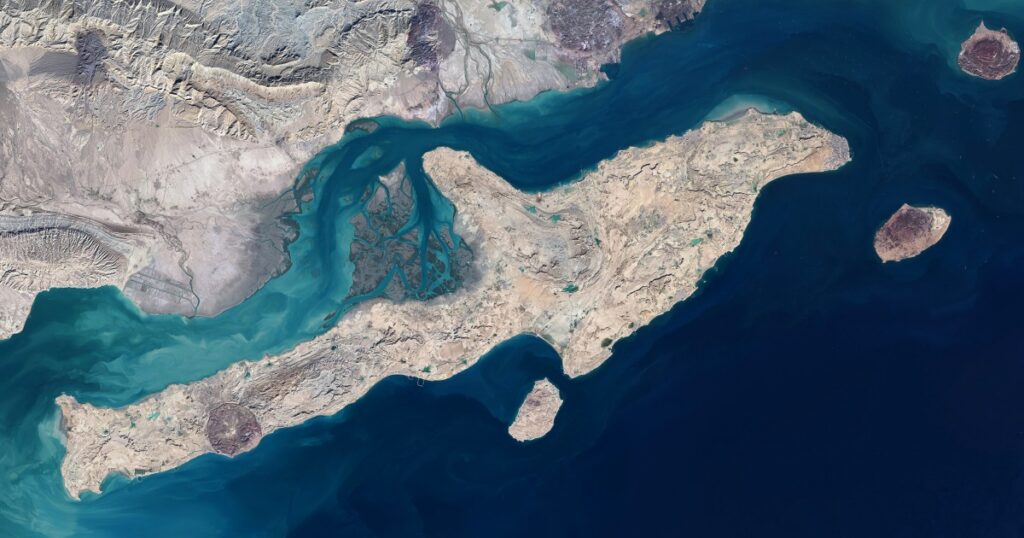
American freelance journalist Shelly Kittleson was kidnapped in Baghdad by suspected Iranian-backed militants linked to the militia group Kata'ib Hezbollah, with Iraqi security forces arresting one suspect and continuing efforts to secure her release. Despite multiple warnings from the U.S. State Department about threats to her safety, Kittleson traveled to Baghdad, where surveillance footage showed her abduction. U.S. and Iraqi authorities, including the FBI and counter-terrorism units, are coordinating to resolve the situation amid heightened tensions involving Iranian-aligned militias in Iraq.
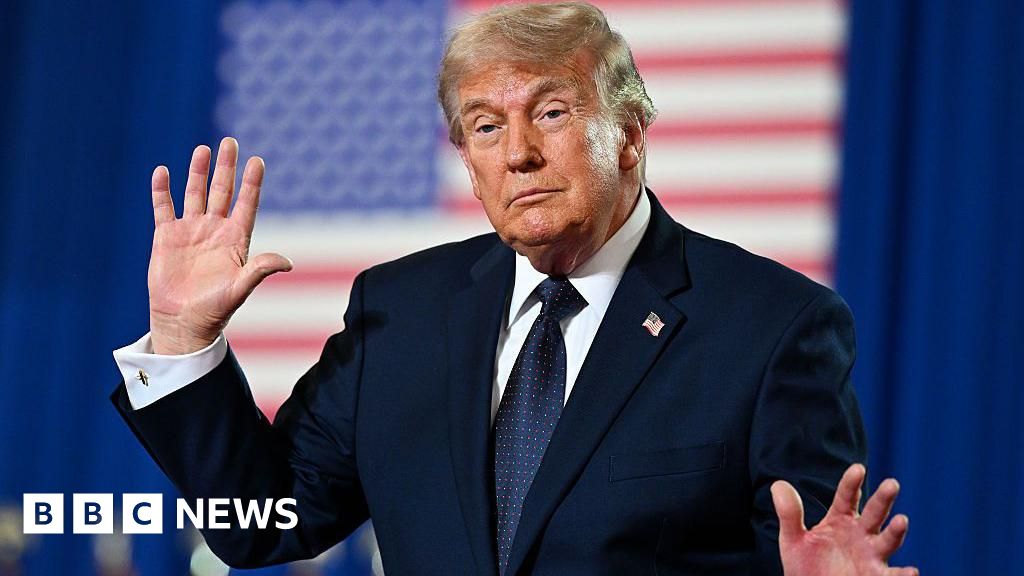
The Supreme Court will hear arguments on a Trump-era executive order aiming to restrict birthright citizenship by limiting it to children born to U.S. citizens or lawful permanent residents, challenging the traditional interpretation of the 14th Amendment’s Citizenship Clause. The administration argues that the clause’s phrase “subject to the jurisdiction thereof” excludes children of temporary visitors or undocumented immigrants, citing historical cases, while opponents maintain that longstanding legal precedent and the amendment’s language guarantee citizenship to nearly all born on U.S. soil. The Court’s decision could have significant implications for constitutional law and immigration policy, with former President Trump expected to attend the proceedings.
Amid ongoing tensions with Iran, President Trump has continued to play golf, describing it as a way to relax while asserting that the U.S. has significantly weakened Iran’s military and that the conflict is nearing resolution. Meanwhile, the partial shutdown of the Department of Homeland Security has caused operational disruptions and financial strain for TSA workers, with political divisions in Congress preventing a unified funding solution. Concurrently, the Department of Justice is intensifying election-related investigations, sparking debate over election integrity, while multiple legal and political controversies, including immigration enforcement and Supreme Court cases, contribute to a complex national environment.
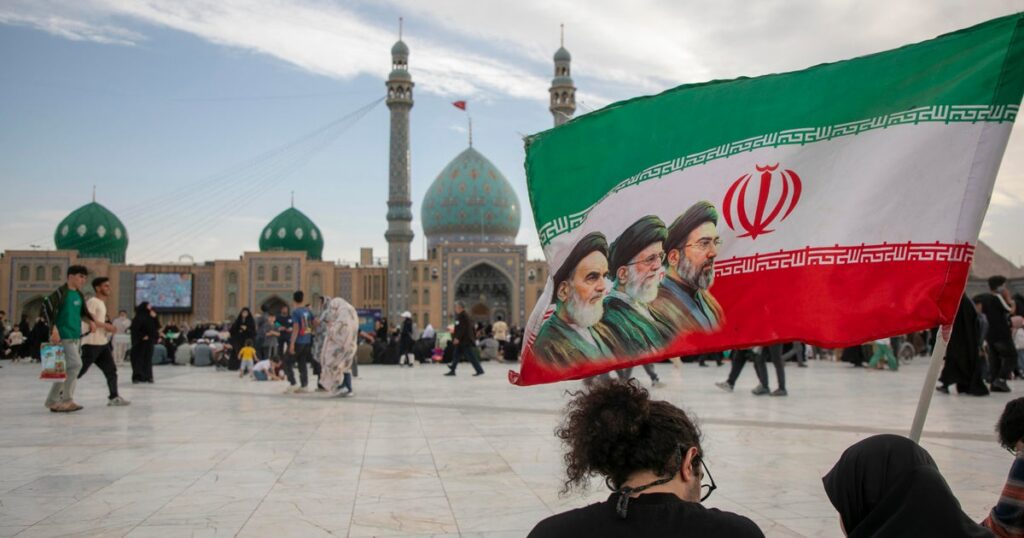
Global oil prices surged to new highs as escalating conflict between the United States, Israel, and Iran intensified missile and drone attacks across the Middle East, raising concerns about prolonged regional instability. Iran and its allied forces targeted Israeli infrastructure and U.S. military assets, while diplomatic efforts for resolution remain stalled amid threats of severe retaliation. The conflict has disrupted global energy markets, particularly impacting Asian oil supplies and driving U.S. gasoline prices to their highest levels since mid-2022, with experts warning of further price spikes and inflationary risks.
Conservative activists at CPAC in Texas largely support former President Trump’s military action against Iran but express concerns about economic strain, rising gas prices, and avoiding U.S. ground troop deployment. The conflict’s impact on the economy and Republican Party unity has raised worries about the upcoming midterm elections, even as loyalty to Trump remains strong among many attendees. Meanwhile, broader political tensions persist, including a historic DHS shutdown linked to immigration funding disputes, highlighting the complex domestic challenges amid the ongoing war.
An American-born Israeli soldier, Sgt. Moshe Yitzchak Hacohen Katz, was killed in combat in southern Lebanon amid ongoing hostilities between Israel and Hezbollah, with details of his death undisclosed. The conflict, which has caused nearly 1,200 deaths in Lebanon and significant displacement of over one million people, has intensified as Israel expands its military campaign to establish a security zone along the border. Humanitarian concerns have been raised by the UN and aid organizations, urging a ceasefire to prevent further escalation and suffering.