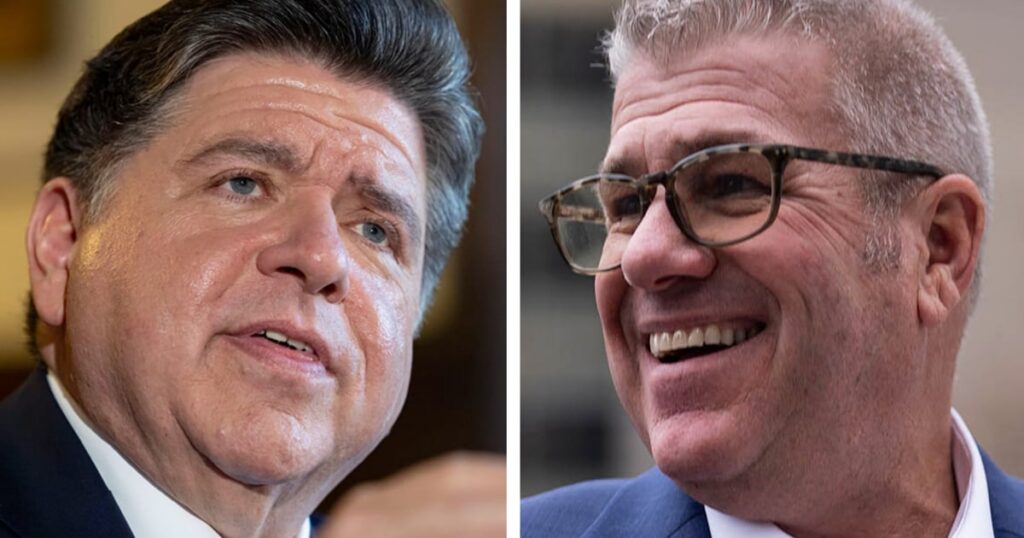
Illinois Governor JB Pritzker and Republican Darren Bailey will face off again in the 2026 gubernatorial election after both secured their party nominations, mirroring their 2022 contest where Pritzker won by 13 points. Pritzker, known for his progressive policies like raising the minimum wage and eliminating cash bail, has also gained national attention for opposing federal immigration enforcement actions in Chicago. Bailey, a farmer and former state legislator, continues to criticize Pritzker’s leadership and policies, aiming to improve his previous electoral performance in a predominantly Democratic state.
Posts tagged as “4th U.S. Circuit Court of Appeal”
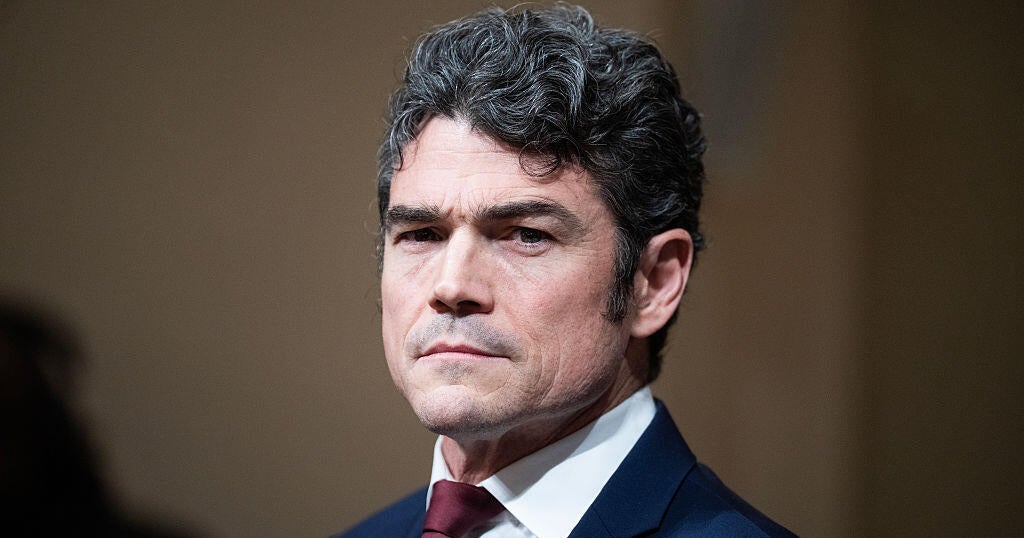
Joe Kent, director of the National Counterterrorism Center and a retired Green Beret, resigned abruptly in protest of the U.S. war in Iran, arguing that Iran posed no imminent threat and that the conflict was driven by pressure from Israel and its American lobby. His departure marks the most high-profile resignation within the Trump administration over the Iran conflict and highlights internal dissent regarding U.S. military intervention in the Middle East. Kent’s stance aligns with other critics of the war, such as intelligence director Tulsi Gabbard, and underscores ongoing tensions about foreign policy direction within the administration.
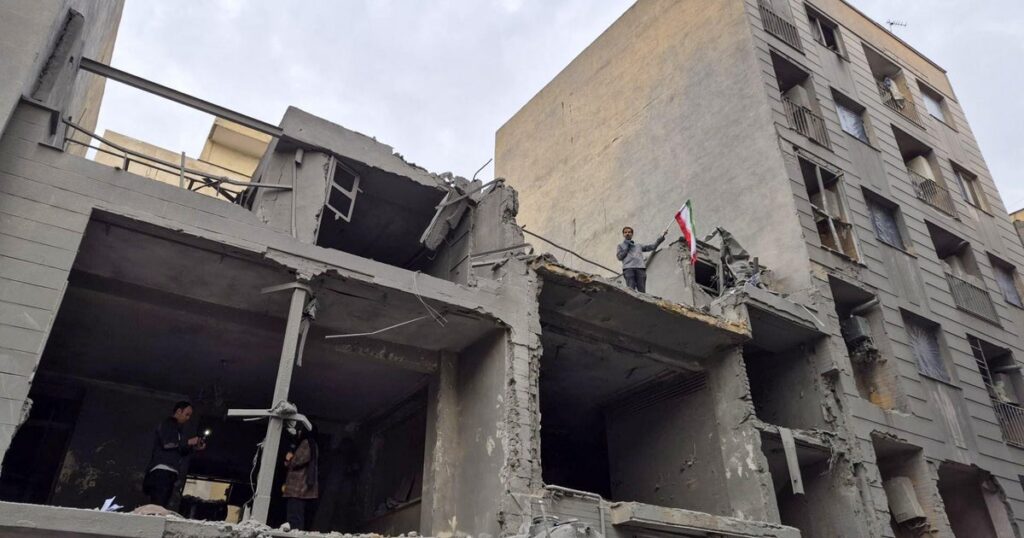
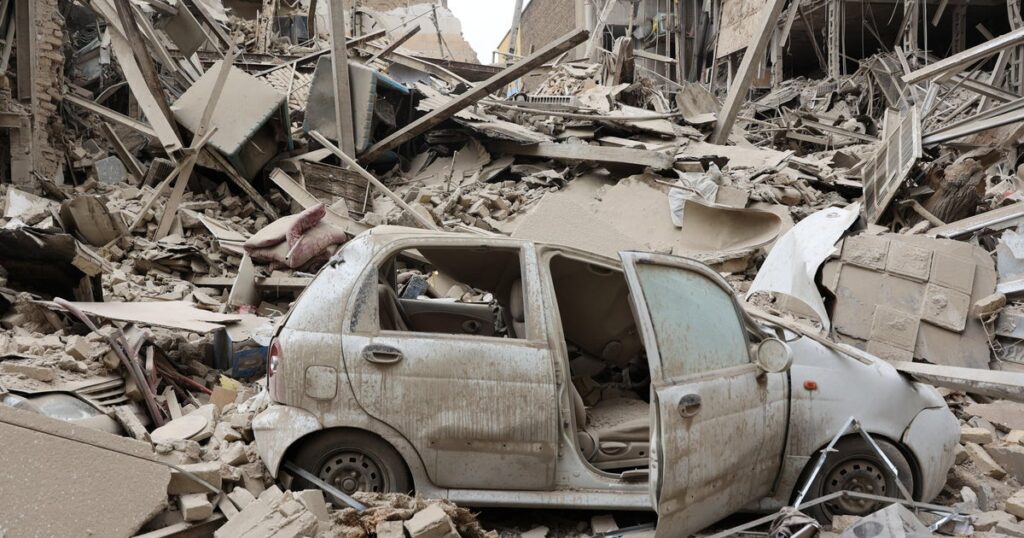
Tensions in the Middle East have intensified following Israeli strikes that killed senior Iranian officials, prompting Iranian missile and drone retaliations primarily targeting the UAE and escalating violence in Lebanon involving Hezbollah. The conflict has caused significant civilian casualties and infrastructure damage, drawing international concern and calls for negotiated peace, while also disrupting global energy markets and raising oil prices. Meanwhile, diplomatic efforts, including a planned U.S.-China summit, face uncertainty as the conflict diverts attention and complicates international relations.
President Donald Trump has urged countries dependent on oil shipments through the Strait of Hormuz to help reopen the waterway, which Iran has effectively closed amid escalating regional conflict following a U.S.-Israeli military campaign. However, many traditional U.S. allies, including European and Pacific nations, have declined to participate in securing the strait, emphasizing diplomacy and conflict resolution over military involvement. The ongoing tensions have driven up global oil prices, strained international relations, and resulted in significant military engagements and regional instability.
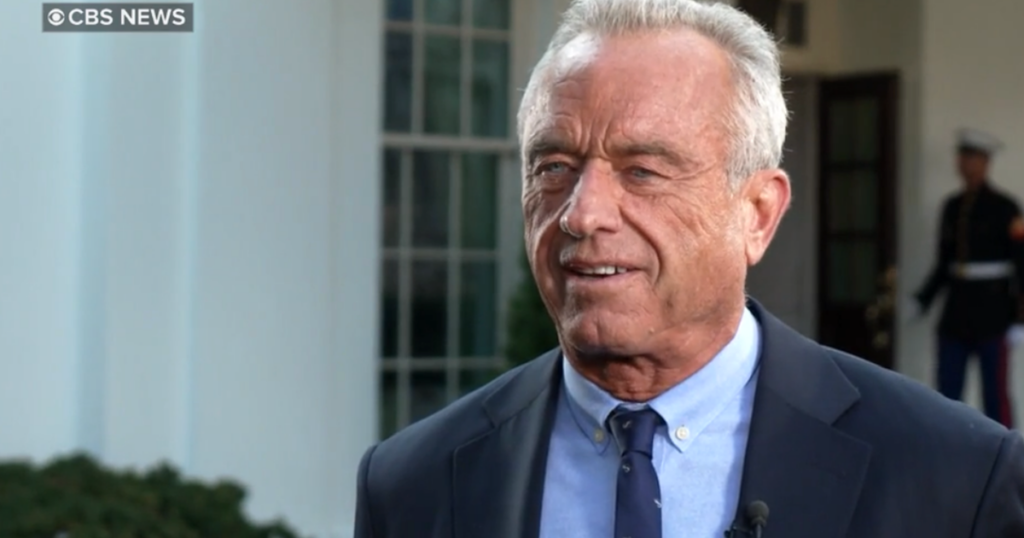
A federal judge in Massachusetts blocked key changes made by Health and Human Services Secretary Robert F. Kennedy Jr. to the childhood vaccine schedule, ruling that the alterations violated federal law and bypassed established scientific procedures. The ruling also halted the appointment of new members to the Advisory Committee on Immunization Practices (ACIP), criticizing the lack of expertise among appointees and suspending votes on vaccine recommendations. Medical groups praised the decision as a restoration of science-based policy, while Kennedy’s controversial vaccine agenda continues to face legal challenges and public criticism.

Gregory Bovino, a senior U.S. Border Patrol official known for leading aggressive immigration raids in major cities, is retiring at the end of this month amid controversy. His tenure included criticized operations in Los Angeles and other cities, culminating in backlash after fatal shootings during an enforcement action in Minneapolis and legal challenges over his tactics. Bovino’s retirement coincides with leadership changes at the Department of Homeland Security and marks the conclusion of a contentious period in Trump-era immigration enforcement.
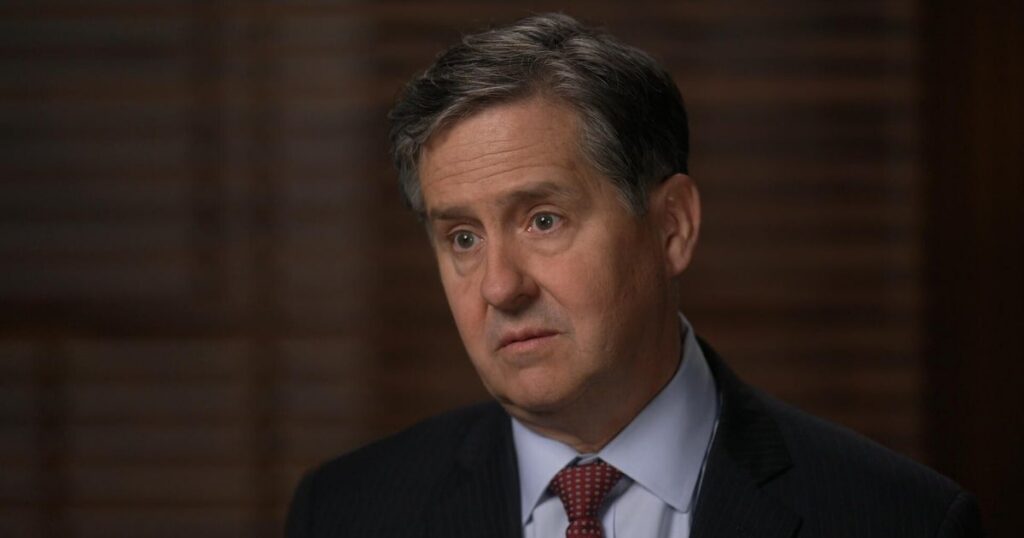
The conflict between the United States, Israel, and Iran has led to the near closure of the Strait of Hormuz, severely disrupting global oil supplies and causing sharp price increases, particularly impacting energy-dependent Asian countries that have implemented emergency measures to cope with shortages. This disruption has triggered broader economic consequences, including rising costs for fuel and essential products like fertilizers, stock market declines, and a shift toward alternative energy sources. Meanwhile, maritime operations in the strait have become increasingly dangerous due to attacks and military tensions, with shipping largely deterred despite U.S. efforts to secure the vital waterway.
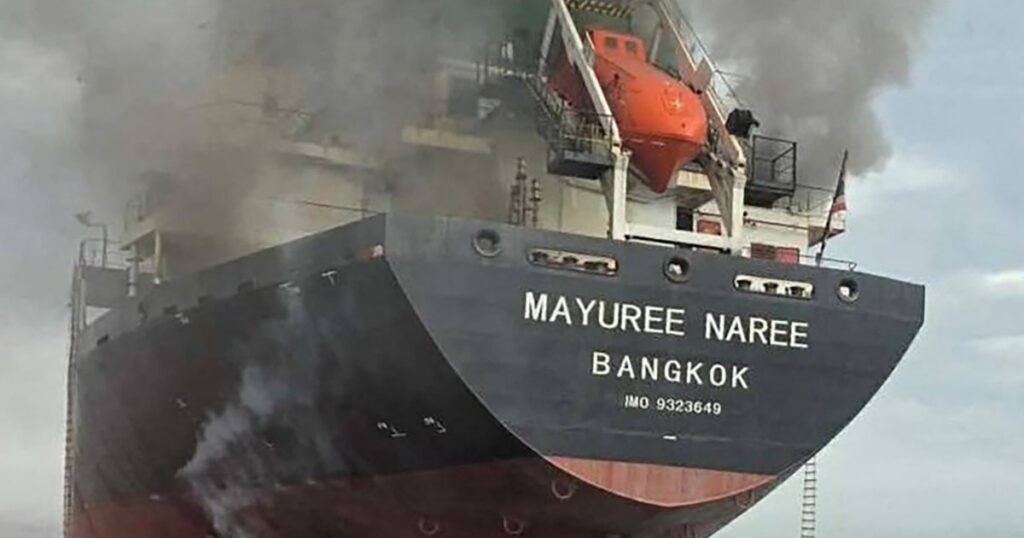
U.S. President Donald Trump has called on allied and rival nations to jointly patrol the Strait of Hormuz to secure the vital oil shipping route amid escalating tensions, but countries like Japan, France, China, the UK, and South Korea have responded cautiously without committing to military involvement. Iran maintains its stance of self-defense, denying closure of the strait and blaming U.S. actions for the insecurity, while allowing some vessels safe passage. Experts warn that even a multinational naval presence may not ensure security due to the strait’s narrowness and asymmetric threats, suggesting that diplomatic solutions may be more effective than military intervention.