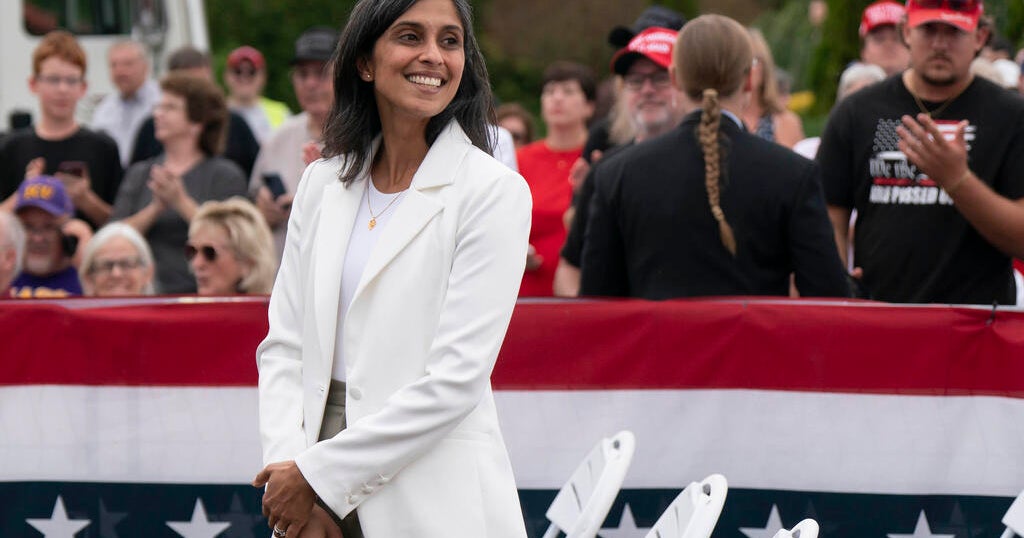
Second Lady Usha Vance is set to visit Greenland, highlighting the Trump administration's interest in the region, accompanied by Energy Secretary Chris Wright and National Security Adviser Mike Waltz. The visit aims to explore Greenland's cultural and historical significance and includes attending the national dogsled race, Avannaata Qimussersu, while also focusing on strengthening diplomatic ties. This engagement underscores the U.S.'s strategic interest in Greenland, particularly regarding its mineral wealth and the presence of a U.S. military base, amidst ongoing discussions about potential U.S. ownership of the territory.
Posts tagged as “― Trump”
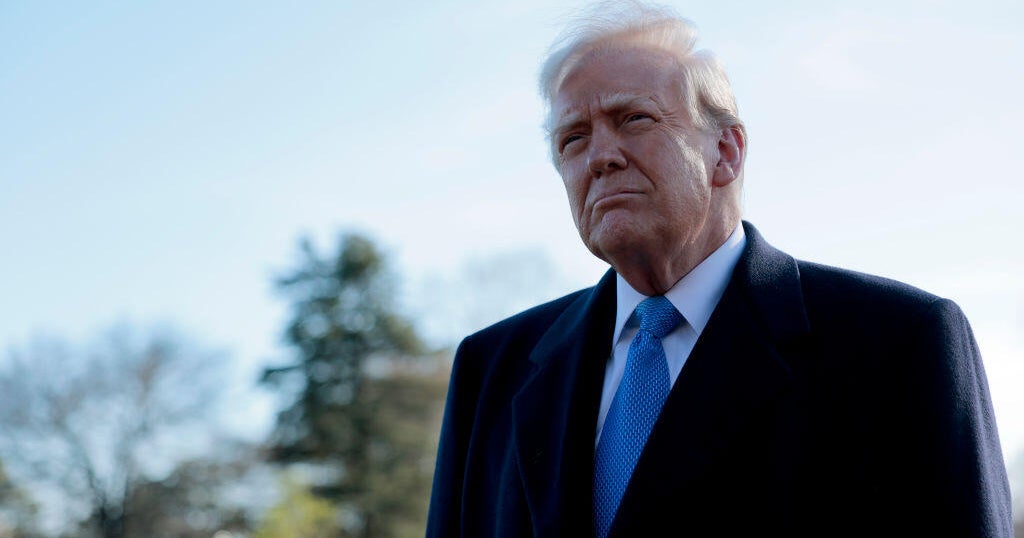
The Trump administration has announced plans to terminate temporary legal status for over 530,000 individuals from Cuba, Haiti, Nicaragua, and Venezuela, who arrived in the U.S. through parole programs established during the Biden administration. This decision, outlined in a Federal Register document, will take effect in late April, requiring those affected to leave the country or face deportation. The move reflects the Trump administration's broader immigration policy objectives and has sparked discussions about its implications for the affected communities and the overall immigration landscape.
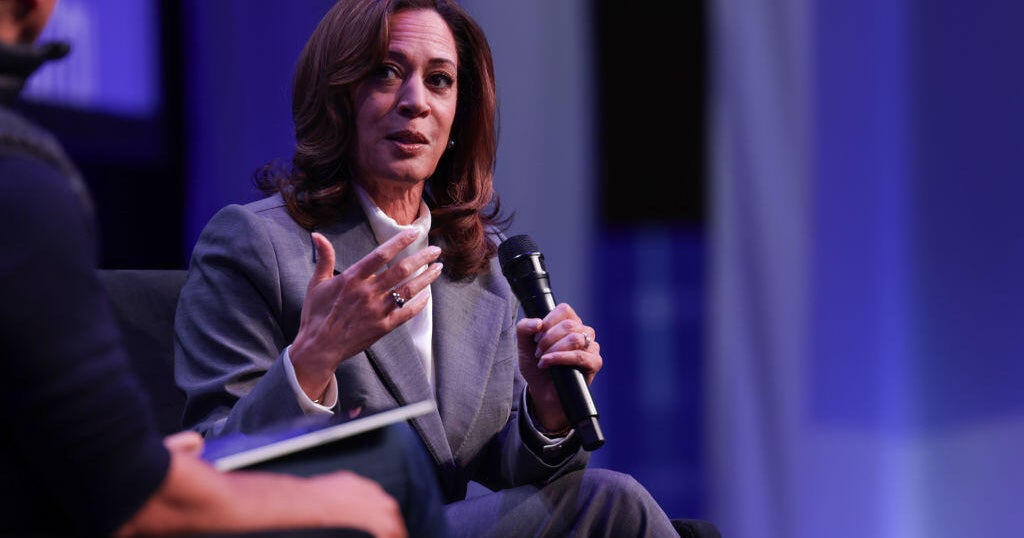
In a recent directive, President Donald Trump has revoked the security clearances of several prominent political figures, including former Secretary of State Hillary Clinton and former Vice President Kamala Harris, citing national interest concerns. This decision extends to former officials like Antony Blinken and Adam Kinzinger, as well as New York Attorney General Letitia James and Manhattan Attorney General Alvin Bragg. The move follows a prior announcement revoking former President Joe Biden's clearance and signifies a broader reassessment of access to classified information, though the criteria for these decisions remain unspecified.
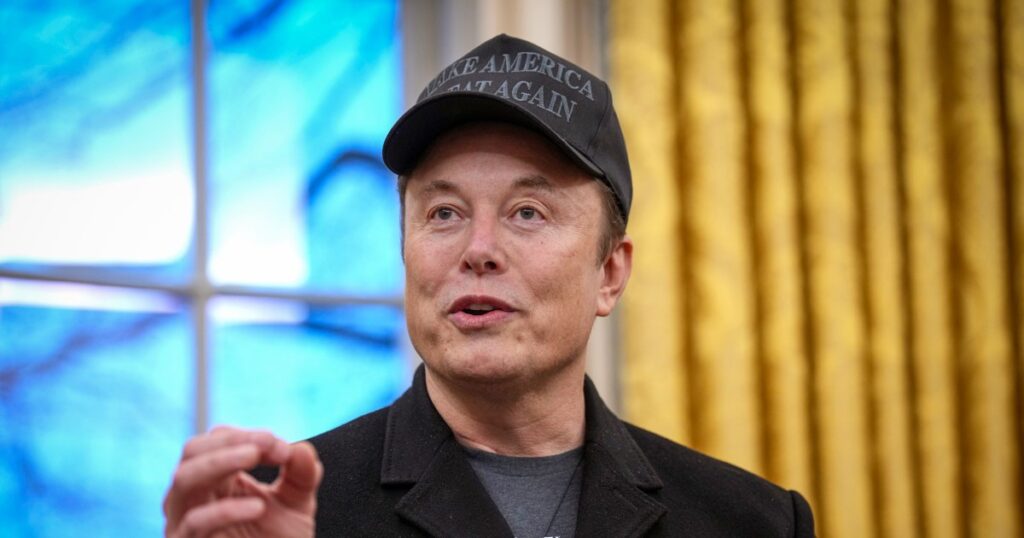
Elon Musk's involvement in government advisory roles has sparked concerns about potential conflicts of interest due to his vast business interests, although he has pledged to avoid overlaps between his business and government work. Unlike other advisors who have received formal conflict of interest waivers, Musk's commitment is based on personal assurances rather than official documentation, as stated by White House press secretary Karoline Leavitt. This reliance on personal assurances reflects a broader trend in President Trump's administration, where influence is maintained through communication rather than physical proximity to the Oval Office, highlighting the evolving nature of advisory roles.

The Trump administration has announced a workforce reduction within the Department of Homeland Security, specifically affecting the Office for Civil Rights and Civil Liberties, the Office of the Immigration Detention Ombudsman, and the Office of the Citizenship and Immigration Services Ombudsman. These offices are crucial for advising on civil liberties, investigating complaints, and addressing immigration detention standards, and their downsizing raises concerns about the department's ability to oversee civil rights and immigration issues effectively. DHS justified the decision by labeling these offices as "internal adversaries" that impeded operational efficiency, marking a significant shift in the department's approach to oversight.

Several federal judges have expressed concerns about the Trump administration's approach to advancing its policies, amid criticism from Trump and his supporters towards the judiciary. U.S. District Judge Ellen Lipton Hollander issued a temporary restraining order against the Department of Justice's DOGE Team, criticizing their efforts to access personal information from the Social Security Administration as lacking substantial evidence. Additionally, tensions have escalated with former President Trump calling for the impeachment of a judge who halted deportations, highlighting the ongoing friction between the executive branch and the judiciary.
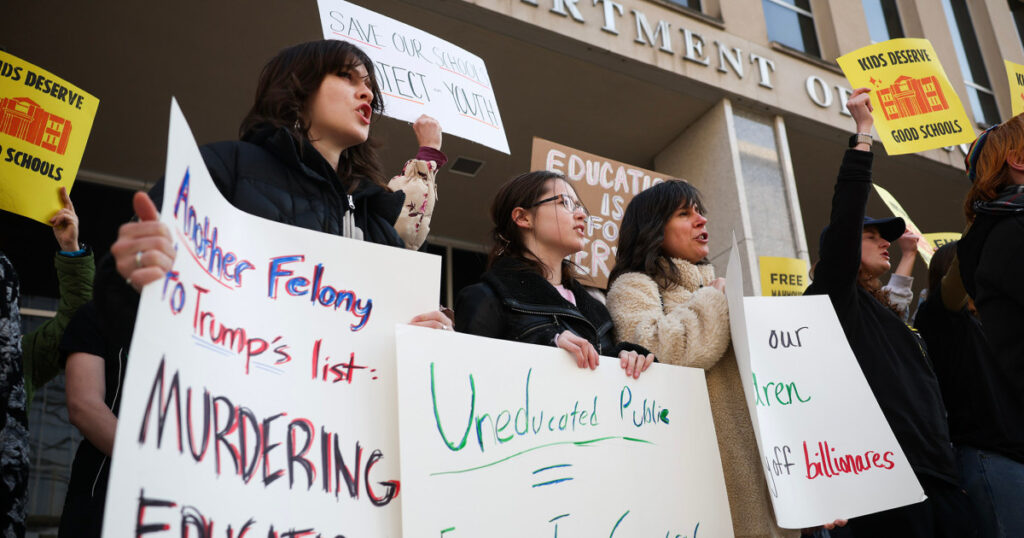
In a major restructuring effort, President Donald Trump announced that the Small Business Administration (SBA) will assume control of the federal student loan portfolio from the U.S. Department of Education, as part of a strategy to streamline federal operations and cut government spending. The SBA plans to reduce its workforce by 43%, aiming to save over $435 million annually, while maintaining its focus on supporting small business growth. This shift reflects the Trump administration's emphasis on reducing government size and complexity, with the SBA now tasked with managing over $1.6 trillion in federal education debt affecting more than 40 million Americans.
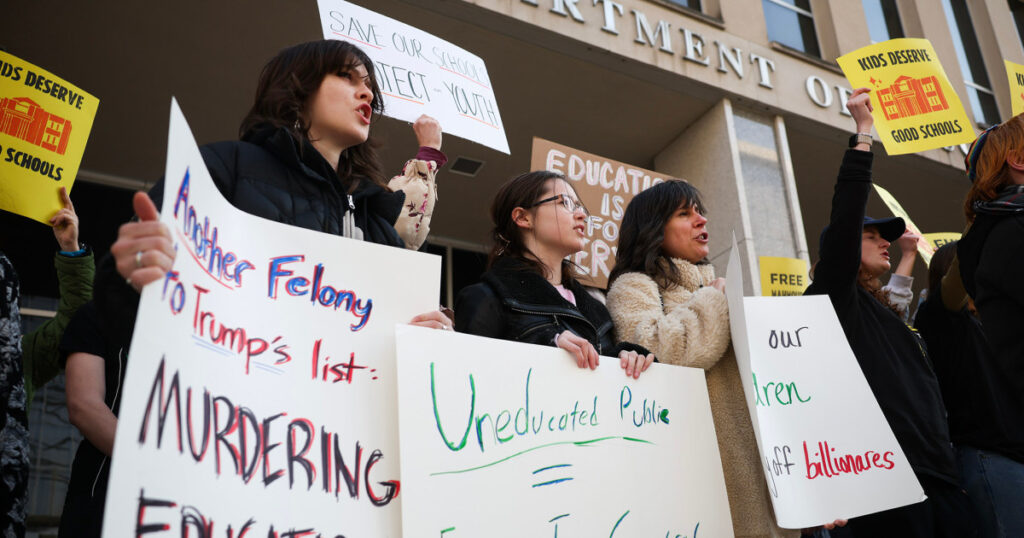
In a major policy shift, President Donald Trump announced that the Small Business Administration (SBA) will assume management of the federal student loan portfolio, traditionally overseen by the U.S. Department of Education, affecting over 40 million borrowers and $18 billion in Title I funding. This transition follows an executive order aimed at dismantling the Department of Education, raising concerns about potential disruptions in federal student loan programs and the administration of financial aid services like Pell Grants and FAFSA. Experts warn that the SBA will face significant challenges in managing the $1.6 trillion federal education debt, emphasizing the need for trained staff and resources to ensure effective support for borrowers and educational institutions.