Key takeaways:
- A record 29.2 million people are registered to vote at 23,696 polling stations.
- An Ipsos poll cited by the BBC puts ANC support at 30%, compared with 46% in the 2021 local elections.
- Voters are electing councils for eight metropolitan, 44 district and 205 local municipalities.
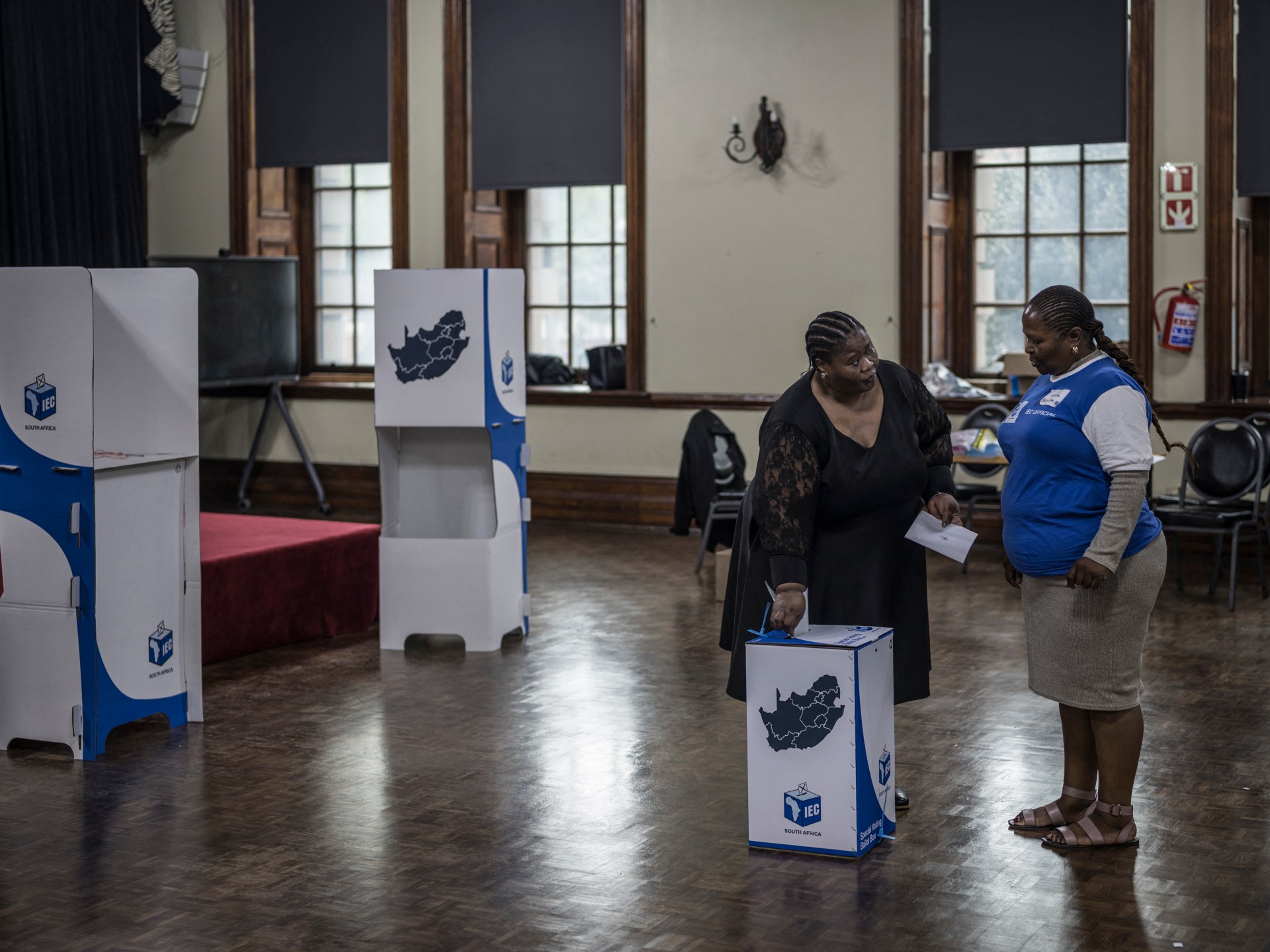
South Africans voted Wednesday in local elections that could deliver another setback to the African National Congress, as frustration over failing basic services tests the party that has governed since the end of apartheid in 1994.
The ANC lost its parliamentary majority for the first time in the 2024 national election and now shares power with the Democratic Alliance and other parties. It also fell below 50% in municipal elections for the first time in 2021. Polls suggest its support could decline further: an Ipsos survey cited by the BBC put the party at 30%, down from 46% in the last local vote.
President Cyril Ramaphosa rejected the suggestion that his party is in a downward spiral. “What I’m seeing here is that the ANC is going higher and higher and on the 4th [of November] we will show those naysayers,” he told supporters at a final campaign rally Sunday. But in a weekly newsletter, he acknowledged the damage caused by poor local government: “Municipal failures have contributed to declining public trust and confidence in democratic governance.”
A record 29.2 million people are registered to vote at 23,696 stations, according to the Electoral Commission of South Africa. Polls opened at 7 a.m. and were due to close at 9 p.m. More than 1.4 million special votes were cast Monday and Tuesday. Voters are choosing councils for eight metropolitan municipalities, 44 district councils and 205 local councils; the councils then select mayors. Final results are expected Sunday.
Water, electricity and rubbish collection are among the responsibilities at stake. In Alexandra, a township near Johannesburg, first-time voter Sanele Ntombela, 18, told the BBC he hoped voting could bring change. “There’s rubbish everywhere and we struggle with electricity and water and many other issues,” he said. Zandile Mncube, 33, said she would not vote despite being registered. “It makes no difference [whether I vote or not]. Things have gotten worse over the years,” she said.
In nearby Soweto, resident Mduduzi Makhubo, 45, said his community faces regular interruptions to water and electricity. “Every Monday we know we won’t have water after 2pm,” he told the BBC. He plans to vote to “change the status quo.” A recent auditor-general’s report gave only 39 of the country’s 257 municipalities clean audits for 2024-25, the BBC reported.
Johannesburg, which Al Jazeera reported has had five mayors in four years, is a major contest. The DA has put forward former leader Helen Zille, 75, as its mayoral candidate. An Ipsos poll cited by the BBC projected 25% support for the DA nationally, up from 22% in 2021. Political analyst Melanie Verwoerd told the BBC she expects coalition governments to remain common across Gauteng province, including Johannesburg.
Former President Jacob Zuma’s uMkhonto weSizwe party is also contesting its first local election and challenging for support in Durban. Al Jazeera reported that 74 municipalities were governed by coalitions or minority administrations as of February, citing the Mapungubwe Institute for Strategic Reflection. Turnout is another uncertainty: just 46% of registered voters cast ballots in the 2021 municipal elections.



Be First to Comment