Key takeaways:
- The Guardian reported Democrats had clinched 54 Senate seats and 225 House seats; Al Jazeera reported 53 Senate wins with the party leading in three more races.
- Democrats won Senate seats in Texas and Kansas, where the party had not won such races in decades.
- Democratic control of Congress allows the party to block Senate-confirmed nominees and lead investigations, but overriding a presidential veto requires two-thirds support in both chambers.
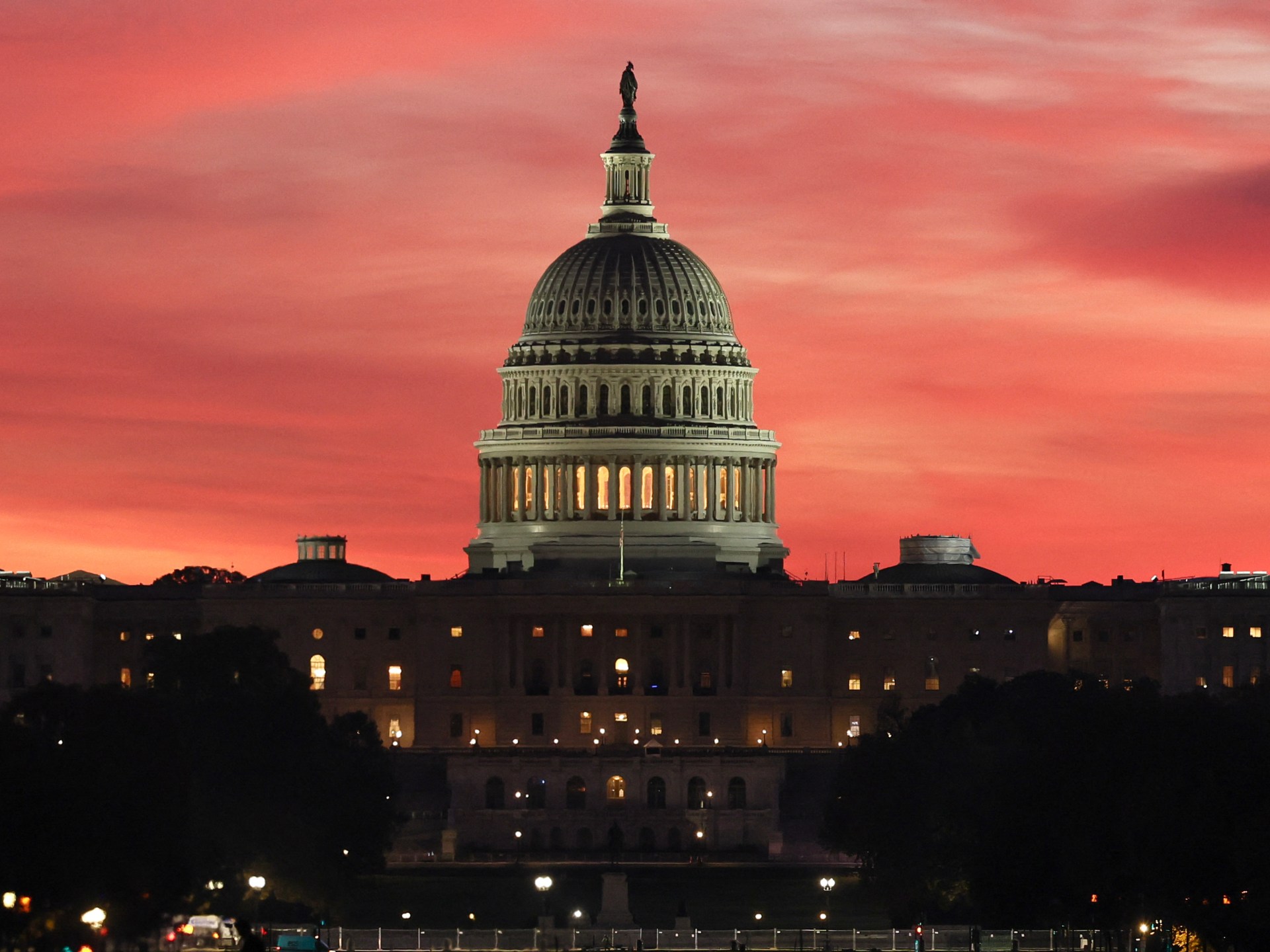
Democrats have won control of both chambers of Congress, flipping Senate seats in states where their party had not won in decades and securing a House majority that will give them new power to investigate President Donald Trump’s administration.
The Guardian reported that Democrats had clinched 54 seats in the 100-member Senate and 225 in the House as of 3 a.m. Eastern time. Al Jazeera reported a count of 53 Senate seats, with Democrats leading in three more races, and said The Associated Press had called the House for the party. A Senate majority requires 51 seats; the House threshold is 218. Some races remained uncalled, including Senate contests in Alaska and Mississippi.
Among the biggest shifts, James Talarico won a Texas Senate seat, becoming the first Democrat to do so in 38 years, according to The Guardian. Al Jazeera reported that he was the first Democrat to win any statewide race in Texas in 32 years and led Republican Ken Paxton by more than 11 percentage points with most votes counted. Adam Hamilton defeated Republican Roger Marshall in Kansas, where Democrats had not won a Senate seat since 1932. In Maine, Troy Jackson unseated Susan Collins, who had held her seat for 30 years.
Al Jazeera also reported Senate wins for Josh Turek in Iowa, Annie Andrews in South Carolina, Roy Cooper in North Carolina and Sherrod Brown in Ohio. Cooper beat Republican Mike Whatley by almost 20 percentage points, the outlet reported.
In Michigan, The Guardian reported that Abdul El-Sayed defeated former Republican congressman Mike Rogers to hold an open Democratic Senate seat, becoming the first Muslim elected to the chamber. Al Jazeera described El-Sayed as leading and having claimed victory, rather than reporting a final result. A former public health official who campaigned on Medicare for All, El-Sayed told supporters: “My name is Abdulrahman Mohamed El-Sayed, and I am so proud and honoured to stand here as your Senator-elect from the great state of Michigan.”
Democrats also won several governorships, according to The Guardian. Keisha Lance Bottoms won in Georgia, becoming the first Black woman elected governor in U.S. history. Gina Hinojosa became Texas’ first Latina governor and its first Democratic governor since 1990. David Crowley became Wisconsin’s first Black governor.
Trump told The New York Times he was “absolutely willing to accept those results,” according to The Guardian. “We’ll, you know, look forward to working with them [Democrats] … We’ll probably work something out,” he said.
Control of the Senate gives Democrats the ability to block Trump’s nominees for senior administration posts and federal judgeships. Majorities in both chambers also give the party control of committees that can demand documents, summon witnesses and investigate the administration. Senator Richard Blumenthal told Reuters in September: “We will use our subpoena power, absolutely.”
Passing legislation will be harder. Both chambers must approve a bill, and Trump can veto it; overriding a veto requires two-thirds support in each chamber. On Monday, Trump told a podcast, “I’ll veto everything,” according to Al Jazeera. Administration officials could also contest congressional subpoenas in court, delaying investigations.






Be First to Comment