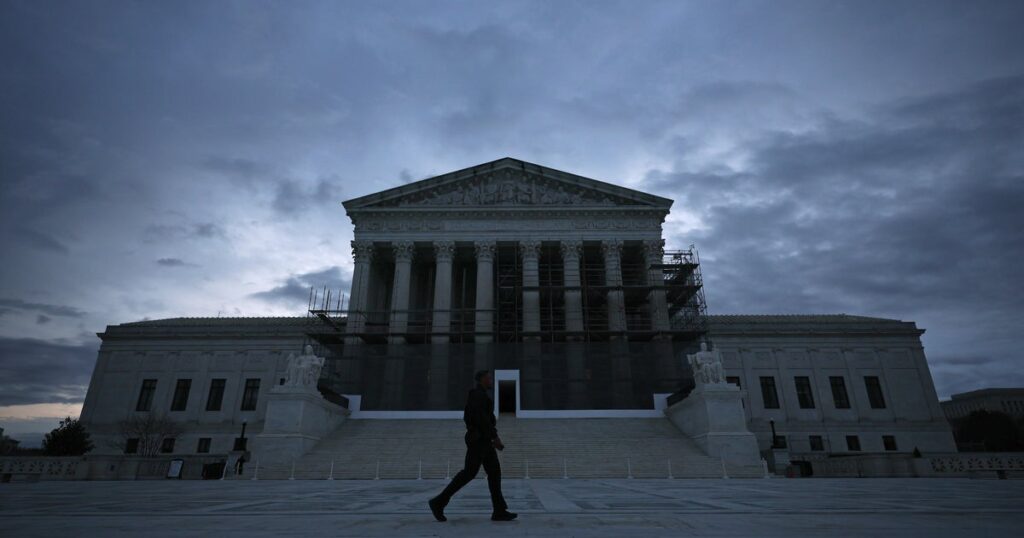
The Supreme Court, in a narrow 5-4 decision, has temporarily halted a lower court's order that required the continuation of federal education grants, allowing the Trump administration to cancel these funds. The grants, which were aimed at supporting diversity, equity, and inclusion programs, were previously ordered to be reinstated by a Massachusetts federal judge who argued that the administration did not follow proper legal procedures. The Supreme Court's ruling, which questions the lower court's authority, will stand while further legal proceedings are underway, marking a significant legal victory for President Trump and raising concerns about the future of such educational programs.
Posts tagged as “― Trump”

Financial markets are experiencing significant turbulence following a major sell-off, resulting in a $2 trillion loss in investor wealth and marking the largest single-day drop since 2020. This volatility is largely due to President Trump's announcement of a 10% baseline tariff on all U.S. trading partners, prompting investors to reassess their exposure to risky assets and leading to widespread market declines. The S&P 500 and Russell 2000 indices have suffered substantial losses, and the global nature of the sell-off highlights the interconnectedness of financial systems and the impact of policy decisions on international markets.

Kilmar Abrego Garcia, a protected legal resident from El Salvador, was deported from Maryland due to an "administrative error" acknowledged by the Trump administration, leading to legal proceedings scheduled for review by a federal judge. Garcia and his U.S. citizen wife have filed a lawsuit seeking his return, citing a 2019 judicial protection that should have prevented the deportation, and are also requesting a halt to payments to the high-security prison in El Salvador where he is held. The case underscores the complexities of immigration enforcement and the significant impact of administrative oversights on individuals with legal protections.

President Trump announced new tariffs on imports from around 90 countries, including a universal 10% tax and additional specific tariffs for certain nations, raising concerns about a global trade war. The tariffs have strained international relationships and contributed to economic uncertainty, particularly affecting countries like China with higher levies. Financial markets have reacted negatively, with significant declines in major indices such as the Russell 2000 and S&P 500, as investors and economists monitor the potential long-term impacts on global trade and economic stability.

In a significant escalation of trade tensions, China has announced a 34% tariff on U.S. imports, effective April 10, following a similar move by the United States under President Donald Trump. The U.S. tariffs were introduced as a response to what the administration describes as unfair trade practices by China, including currency manipulation and existing trade barriers. This reciprocal imposition of tariffs has heightened concerns about global economic stability, as both nations play pivotal roles in international trade, highlighting the complexities of achieving balanced trade agreements.
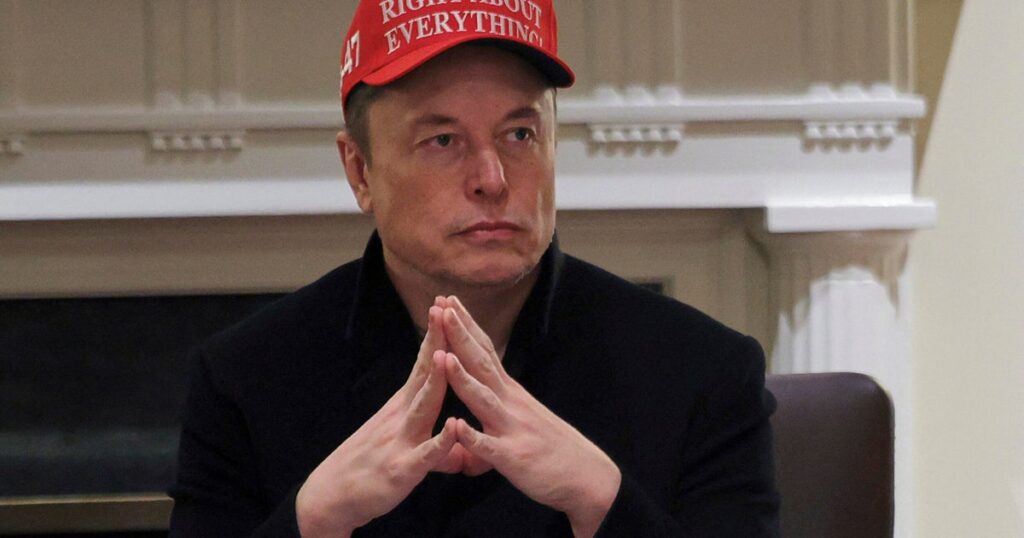
More than 80 national and local organizations have raised concerns about the Trump administration's actions, which they claim threaten the judiciary's independence and the system of checks and balances in American democracy. These groups argue that the administration's efforts to consolidate power could undermine the rule of law and individual rights. Additionally, the relationship between President Trump and Elon Musk, who serves informally as an adviser, has attracted attention, especially given Musk's involvement in government activities and the administration's broader agenda.
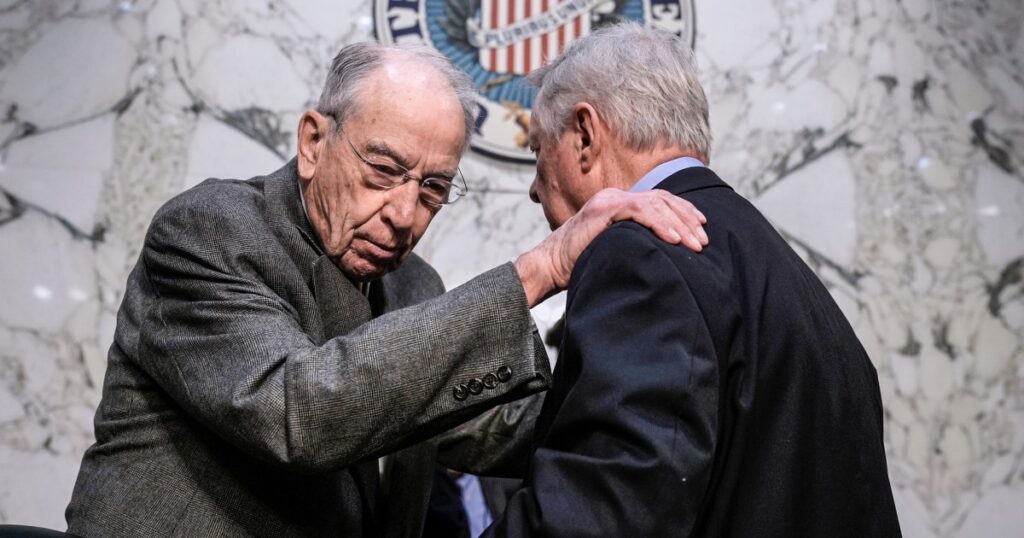
Lawmakers from both major U.S. political parties are actively working to address President Donald Trump's recent tariffs, with many Republicans joining Democrats in opposition due to concerns about their impact on the economy and global trade relationships. Critics argue that the tariffs represent a significant shift toward protectionist policies, potentially undermining established trade systems and echoing economic practices from the late 19th and early 20th centuries. In response, Congress is considering legislative measures to limit the executive branch's authority over such policies, highlighting bipartisan concern over the long-term consequences for domestic and international economic stability.
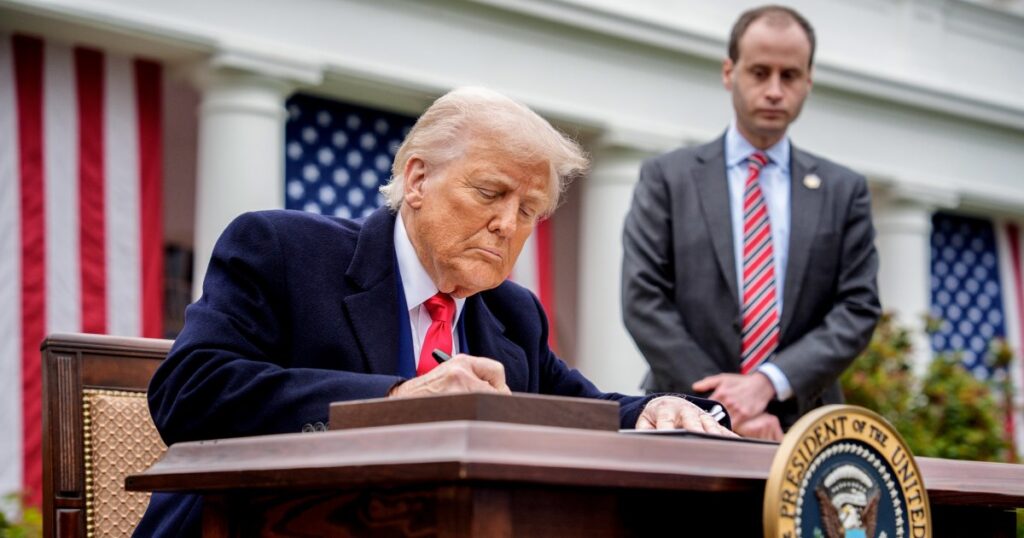
President Donald Trump's aggressive new tariffs have led to bipartisan concern in Congress, with lawmakers from both parties seeking to limit his tariff powers due to potential economic impacts. The Senate, with a Republican majority, has already voted to overturn tariffs on Canada, and further measures like the proposed Trade Review Act of 2025 aim to establish checks on the president's trade authority. As Congress explores additional strategies to counteract Trump's tariffs, financial markets have reacted with caution, highlighting the uncertainty surrounding U.S. trade policy and the ongoing debate over the balance of power between the executive and legislative branches.