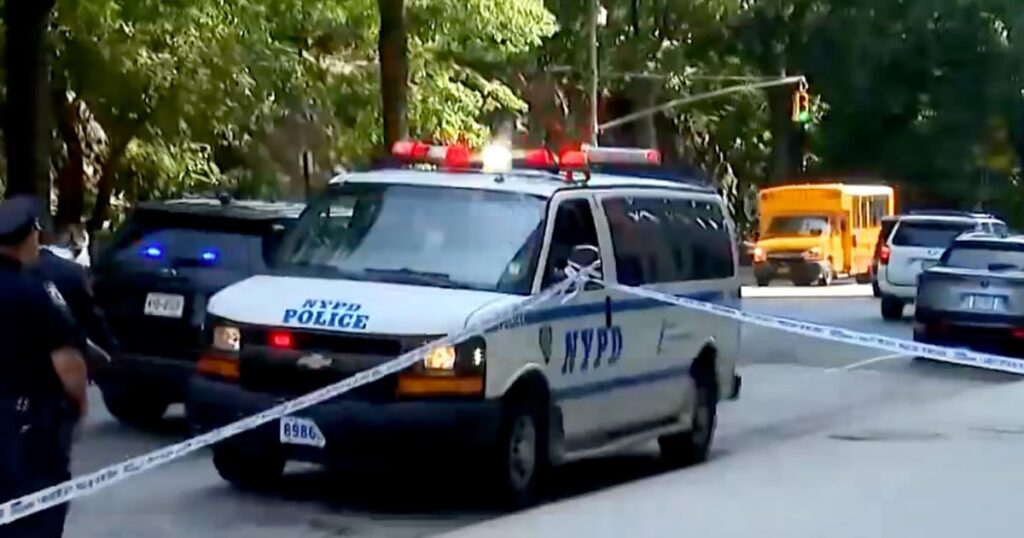
New York City police arrested Raul Morales, 51, after two men were stabbed near Central Park in daylight attacks being evaluated as possible hate crimes. Police said the suspect allegedly yelled “Allahu Akbar,” and investigators are also assessing whether mental health may have been a factor.
Posts published in “US”
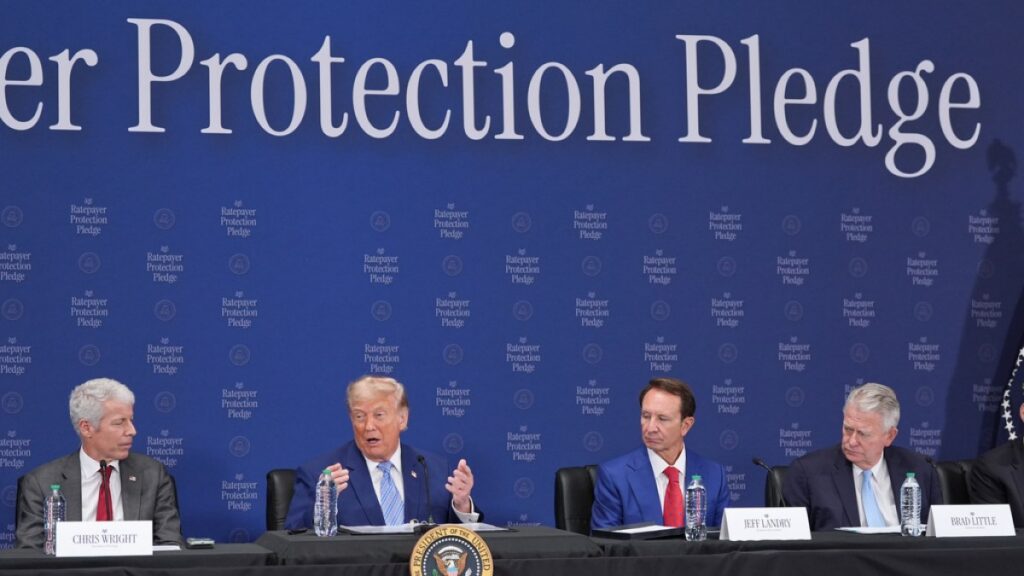
Trump expanded a voluntary White House pledge intended to keep AI data center energy costs from being passed to consumers. The non-binding agreement now includes utilities, data center developers and 23 Republican governors, but critics say it lacks enforcement.
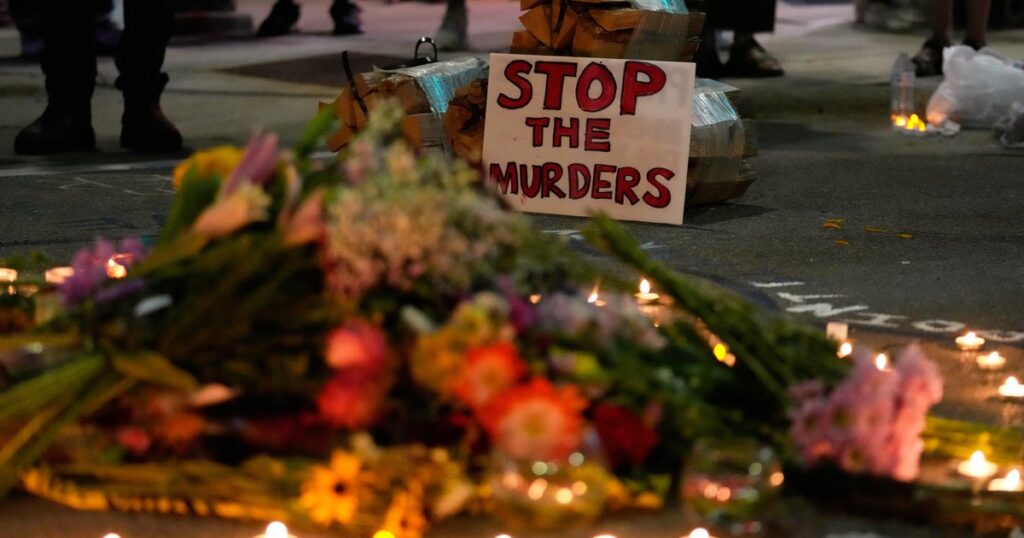
Corey Ruiz was fatally shot by a Madison police officer after police said he pulled a knife during a struggle. The Wisconsin Department of Justice is investigating as protests and demands for accountability continue.

The Justice Department told a federal judge it will withdraw subpoenas seeking New York Times reporters’ testimony and phone records in a leak investigation involving a Qatari-donated Air Force One jet. The Times had called the subpoenas “abusive and improper.”
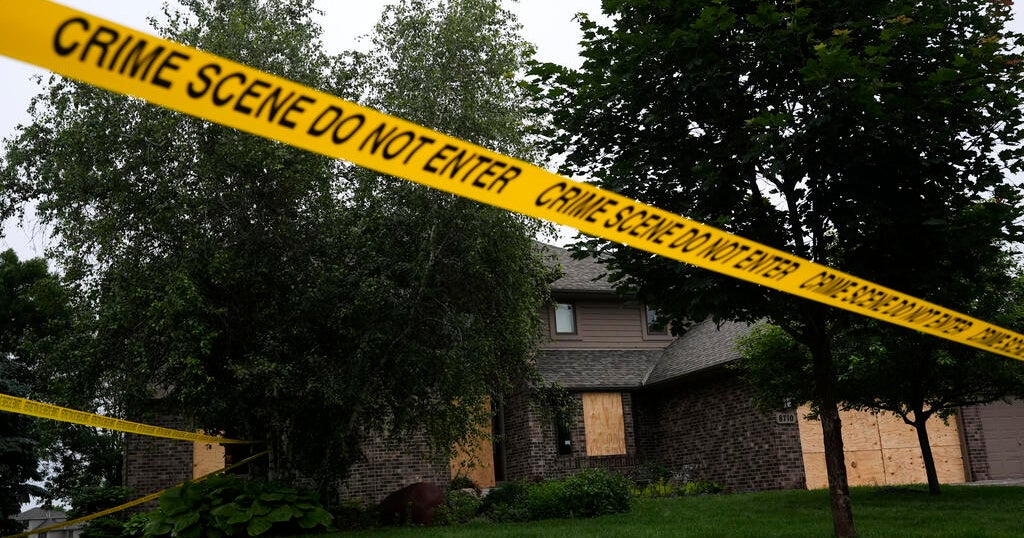
Vance Boelter was sentenced to two consecutive life terms plus 40 years for killing Melissa and Mark Hortman and shooting John and Yvette Hoffman. Survivors and relatives described lasting trauma from the politically motivated attacks.
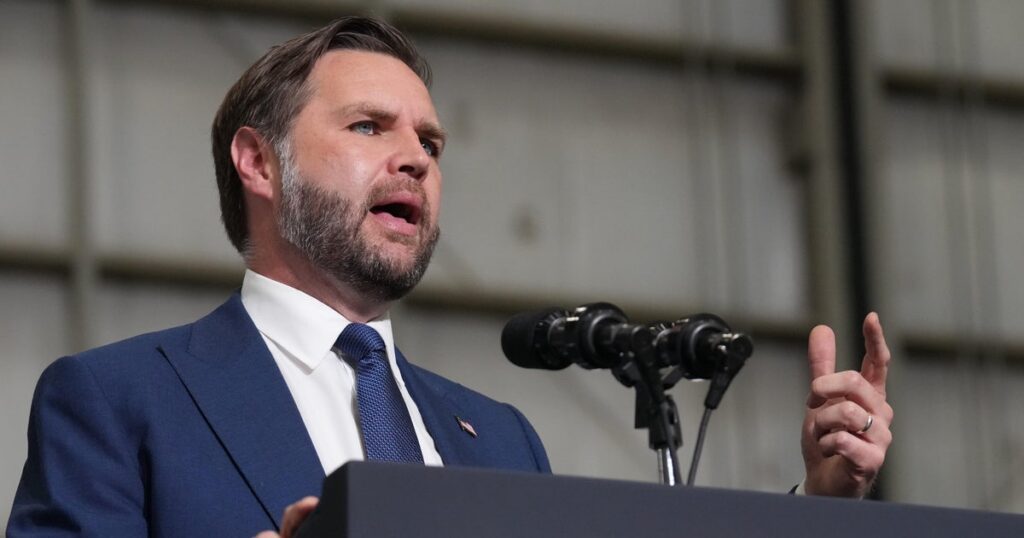
A member of Vice President JD Vance’s Secret Service detail has been removed while officials investigate allegations of compromising operational and information security. The inquiry follows reports about alleged internal complaints over Vance’s travel demands, though NBC News said it has not independently confirmed those details.
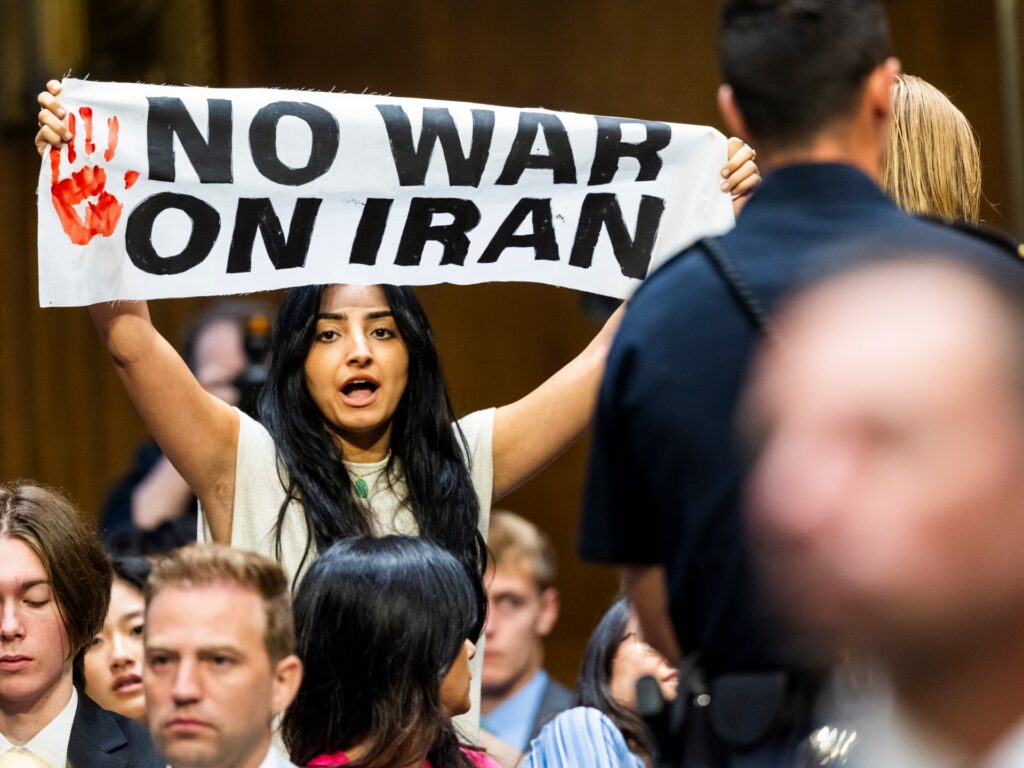
The Senate rejected a resolution to limit President Trump’s authority to wage war against Iran, while the House passed a separate war powers measure. The votes followed renewed U.S.-Iran fighting and the deaths of U.S. service members in the region.
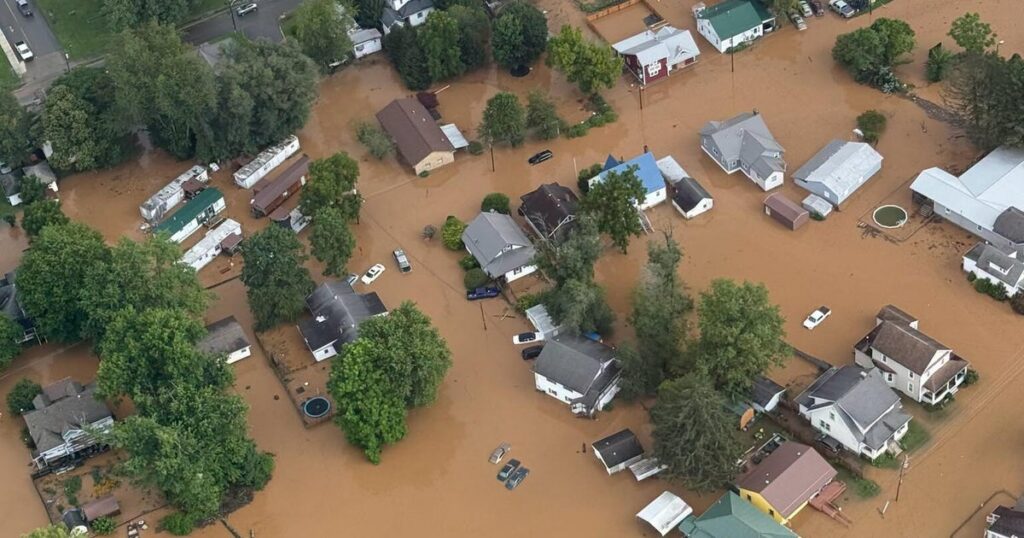
West Virginia sent about 500 National Guard members to respond to flash flooding after up to 7 inches of rain fell in parts of the state. Officials said more than 100 people were rescued and that they were concerned about possible fatalities.