Key takeaways:
- At least five people were killed in East Nusa Tenggara province, with preliminary reports listing two deaths in Sikka Regency and three in Manggarai Regency.
- Authorities issued a tsunami warning after the quake but later lifted it after monitoring showed no significant sea-level changes threatening coastal communities.
- Power outages and communication disruptions hampered search and rescue efforts as aftershocks continued and about 2,000 residents in Nagekeo were evacuated.
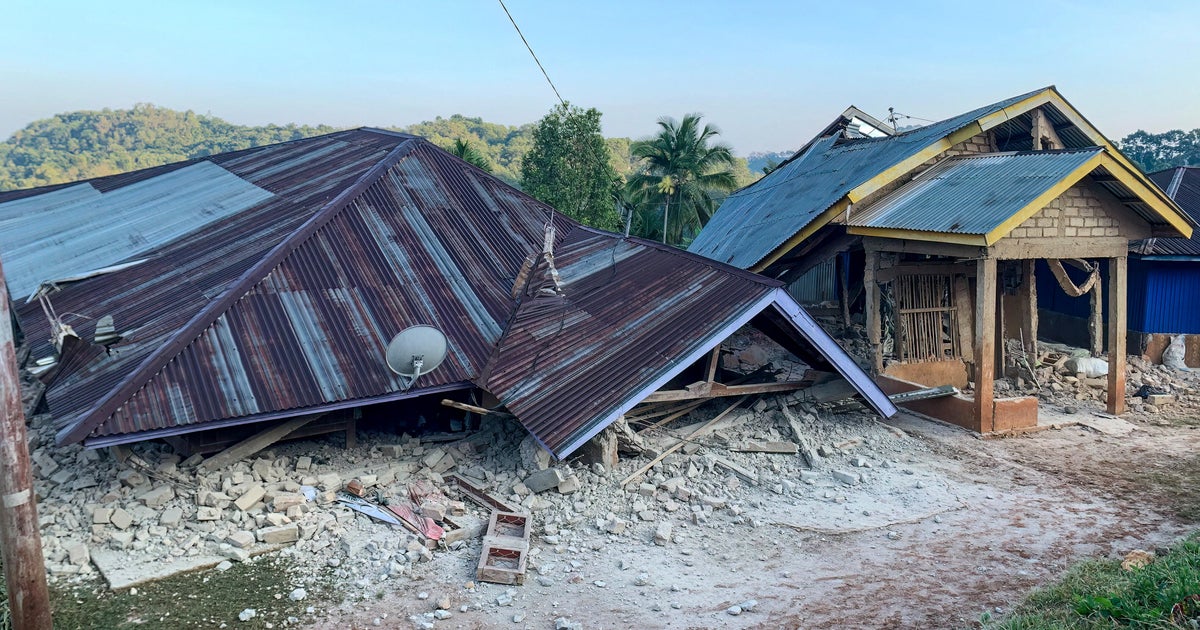
A powerful 7.7-magnitude earthquake struck Indonesia’s Flores region early Saturday, killing at least five people, damaging buildings and sending residents fleeing to higher ground before authorities lifted a tsunami warning.
The deaths were reported in East Nusa Tenggara province, where officials said the quake and dozens of aftershocks collapsed homes and other structures. Provincial governor Emanuel Melkiades Laka Lena told a press conference the victims were killed in their sleep by falling rubble, the BBC reported. East Nusa Tenggara police chief Rudi Darmoko said preliminary reports showed two fatalities in Sikka Regency and three in Manggarai Regency.
“We are continuing to collect reports of damages and casualties, but there are communication disruptions,” Darmoko said. He said power outages in cities and villages had slowed the flow of information and complicated search and rescue efforts.
The U.S. Geological Survey said the quake hit at 5:58 a.m. local time, with an epicenter 42 miles north-northwest of Ende in East Nusa Tenggara. The BBC, citing Indonesia’s Meteorology, Climatology and Geophysics Agency, reported the quake struck Flores shortly before 05:00 local time at a depth of 15 kilometers. Strong aftershocks followed, including one measured at magnitude 6.1, according to the BBC.
Authorities initially warned coastal residents to move to higher ground, prompting streams of people to head inland on motorbikes. Indonesia’s Meteorology, Climatology and Geophysics Agency later lifted the tsunami warning after monitoring showed no significant sea-level changes that would threaten coastal communities. The warning was lifted about three hours after the initial jolt, the BBC reported.
The national disaster mitigation agency, known as BNPB, urged residents to remain calm and avoid coastal areas. “Residents should also avoid entering buildings, especially those that have already sustained cracks or structural damage,” BNPB said. “A rapid assessment is currently underway to determine the number of casualties and the extent of the impact. We will provide that information after the data has been verified.”
Footage on local television showed hospitals evacuating patients as a precaution. Staff moved beds, IV stands and oxygen cylinders outdoors and set up temporary treatment areas. Video from the port in Maumere showed large chunks of concrete falling from a terminal building onto passengers waiting to board an inter-island ferry, the BBC reported. Some people were thrown into the sea when the gangway to the ship collapsed.
Yohanna Embu, a resident of Sikka Regency, said the shaking damaged numerous buildings and drove frightened residents uphill. “Many buildings here were damaged… I saw that the waiting room at the port terminal in Maumere had collapsed,” she said.
At St. Peter Major Seminary in Sikka, students and nuns attending morning Mass fled when the roof of an assembly hall collapsed, said the Rev. Guidelbertus Tanga, rector of the seminary, known locally as Ritapiret Seminary. “Our students and nuns ran out in panic beneath a collapsing roof,” Tanga said. “At least one priest suffered a broken leg after jumping from the second floor of a building during the quake.”
About 2,000 residents in Nagekeo were evacuated, with damage reported to several buildings, the BBC reported. Arnold Welianto, who lives in Talibura village in Sikka, told the BBC he was asleep when he felt “very strong shaking.” He said residents near the shoreline fled toward the hills after the sea receded and many remained outdoors because aftershocks made them afraid to return home.
The quake also caused panic in Bima, in neighboring West Nusa Tenggara province, and damage was reported in parts of southern Sulawesi island, according to CBS News.






Be First to Comment