Key takeaways:
- Rinderknecht has pleaded not guilty to three federal fire-related charges and could face up to 45 years in prison if convicted.
- Prosecutors say the Jan. 1 Lachman Fire smoldered in root systems before reigniting Jan. 7 as the Palisades Fire, which killed 12 people and destroyed about 6,800 structures.
- The defense says phone records showing at least 16 calls to 911 support its claim that Rinderknecht tried to stop the fire, not start it.
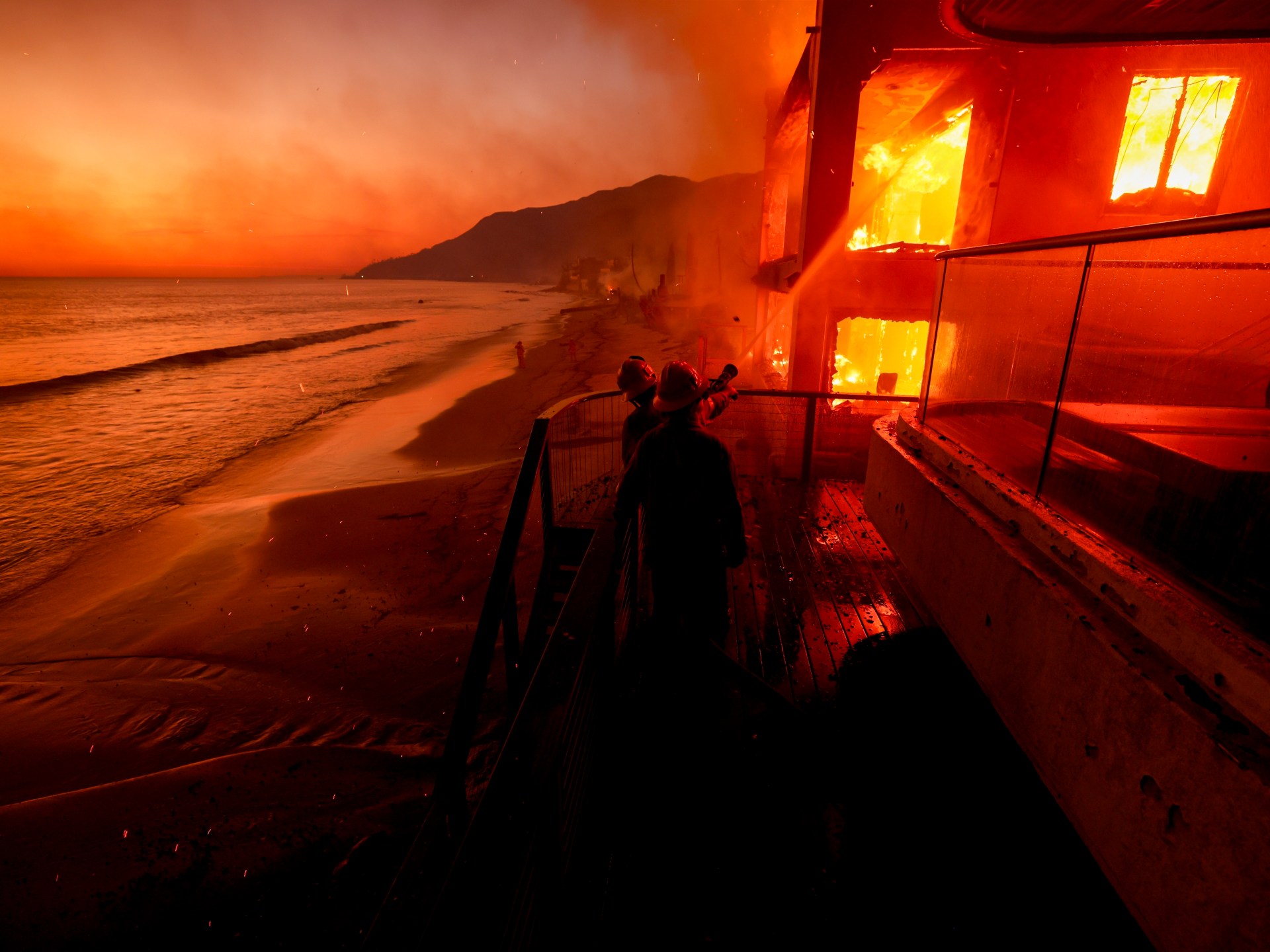
Federal prosecutors opened the trial of Jonathan Rinderknecht by accusing him of deliberately setting a small New Year’s Day brush fire that smoldered for a week before exploding into the deadly Palisades Fire, one of the most destructive wildfires in Los Angeles history.
Rinderknecht has pleaded not guilty to three federal charges: destruction of property by means of fire, arson affecting property used in interstate commerce and timber set afire. If convicted, he could face a prison sentence ranging from at least five years to as many as 45 years.
In opening statements Wednesday in downtown Los Angeles, prosecutors said Rinderknecht was upset over a failed relationship and angry that he had not received a New Year’s Eve invitation. Assistant U.S. Attorney Matthew O’Brien said Rinderknecht spent part of the night driving passengers for Uber, then went to a hiking area in the Santa Monica Mountains near a home he once shared with an ex-boyfriend.
Prosecutors said the location, known as Skull Rock, had emotional significance for him. Phone records show he called his ex-boyfriend, according to NBC News. A small fire began there shortly after midnight on Jan. 1, 2025.
“The evidence will show that the defendant lit this fire on January 1 and that he did so on purpose,” Assistant U.S. Attorney Mark Williams told jurors, according to Al Jazeera. “And the evidence will show that the fire that the defendant started on January 1 was the same fire that caused all of that destruction on January 7.”
That first blaze, known as the Lachman Fire, burned less than 10 acres of open brush and did not destroy structures. Prosecutors say it was not fully extinguished and continued to burn undetected in root systems before reigniting a week later as the Palisades Fire.
The Palisades Fire erupted Jan. 7 in hills behind the Highlands area and spread quickly through Pacific Palisades and nearby communities, including parts of Malibu. Driven by winds nearing 90 mph, it killed 12 people and destroyed about 6,800 structures. NBC News reported the fire burned more than 24,000 acres; Al Jazeera, citing Cal Fire, reported it reached a peak of more than 23,000 acres.
Prosecutors said evidence places Rinderknecht at the hilltop where the first fire began. They also said a green lighter found in his glove compartment had been seen in a video recorded earlier on New Year’s Eve. Al Jazeera reported that prosecutors also pointed to a ChatGPT prompt Rinderknecht entered months earlier that described a “burning forest” and “people running away.”
“He wanted revenge – revenge against society, because he blamed society for all his troubles,” O’Brien said, according to Al Jazeera.
Defense attorney Steve Haney told jurors there is no proof Rinderknecht started the fire. He said his client saw flames, called 911 repeatedly and helped guide firefighters to the site. Both sides said phone records show Rinderknecht called emergency services at least 16 times.
“When all the evidence is in, there will be one thing missing: proof that Jonathan Rinderknecht started that fire on January 1,” Haney said.
After playing 911 recordings in court, Haney said, “It’s the voice and actions of a man who was trying to stop the fire.”
Haney has argued that Rinderknecht is being made a scapegoat for the Los Angeles Fire Department’s failure to fully extinguish the Lachman Fire. NBC News reported that an after-action fire report found firefighters failed to monitor the Jan. 1 blaze because they believed it was out, despite a red-flag warning for the region.
Prosecutors have described Rinderknecht’s behavior that night as erratic, citing witnesses who said he was angry while driving Uber passengers. Haney denied those claims and said he would call witnesses who saw nothing concerning in his conduct.
“There was nothing concerning about Jonathan,” Haney said. “Because he used to live there, he hiked up the trailhead to watch the fireworks. He parked his car right there, in plain view. He wasn’t trying to hide it.”


Be First to Comment