Key takeaways:
- U.S. District Judge Richard Leon denied Citizens for Responsibility and Ethics in Washington’s request for a temporary restraining order against the proposed $1.776 billion fund.
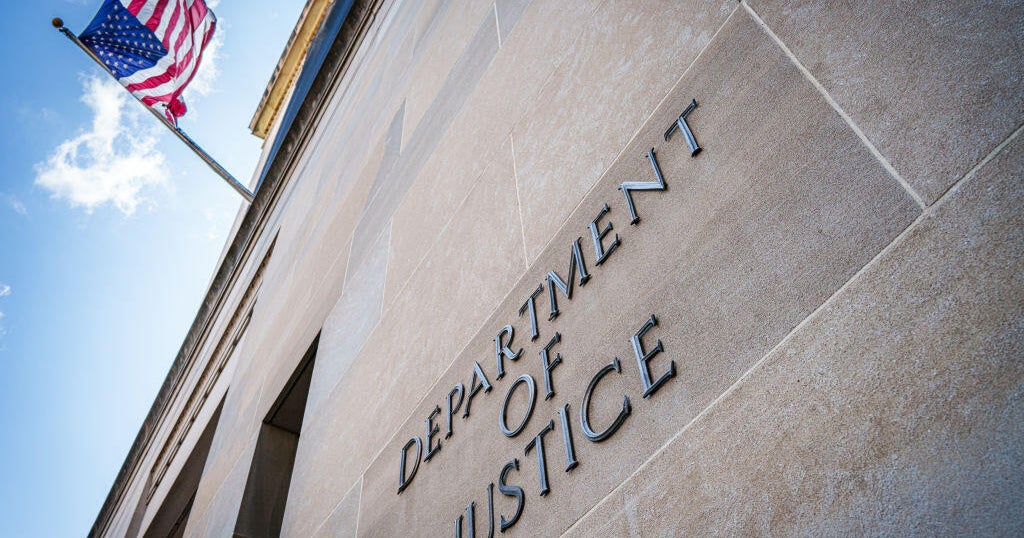
- The Justice Department said Acting Attorney General Todd Blanche has declared the fund is not moving forward, but the order creating it has not been formally rescinded.
- Another federal judge has temporarily blocked the Justice Department from taking action on the fund in a separate lawsuit.
A federal judge declined Wednesday to temporarily block the Trump administration’s proposed “anti-weaponization” fund, accepting Justice Department statements that the $1.776 billion initiative is not moving forward while warning government lawyers not to mislead the court.
“Don’t play possum with this court,” U.S. District Judge Richard Leon told a Justice Department attorney during the hearing.
Leon denied a request for a temporary restraining order sought by Citizens for Responsibility and Ethics in Washington, a watchdog group that sued to block the fund and called it “brazenly illegal.” The judge said he was “not persuaded a live controversy remains,” citing representations from the government that Acting Attorney General Todd Blanche had already said the department would not proceed with the fund.
The fund was created as part of an agreement involving the Trump administration and President Donald Trump’s private attorneys to settle a $10 billion lawsuit Trump, two of his sons and the Trump Organization filed over the leak of Trump’s federal tax returns. NBC News reported that the leak led to a five-year prison sentence for a former IRS contractor.
The initiative was designed to pay claims to alleged victims of government persecution. It drew bipartisan pushback after it was unveiled last month, with Democrats calling it a “slush fund” for Trump allies.
Blanche told lawmakers at a congressional hearing last week that the Justice Department is “not moving forward with the fund.” The department also said in a court filing last week that the initiative is “not going forward.” Since then, the government has argued that other lawsuits challenging the fund should be rejected because Blanche’s statement made the disputes moot.
Leon’s ruling gives the Justice Department an early win in one of the legal challenges, though he said he will decide separately on the watchdog group’s request for a preliminary injunction. Another federal judge has already temporarily blocked the Justice Department from taking any action on the fund in a separate lawsuit brought by several people, including a top Jan. 6 prosecutor who was fired by the department.
At Wednesday’s hearing, Nikhel Sus, a lawyer for Citizens for Responsibility and Ethics in Washington, argued that the fund’s charter remains “in full force and effect” and that changes must be made in writing by all parties. He said Blanche’s testimony was not a legally valid rescission of the policy and noted that Trump has not said the fund is dead.
President Trump told NBC News’ “Meet the Press” in an interview that aired Sunday that he loved the idea of the fund and that, if it were up to him, he would pay purported victims of “weaponization” the “kind of money that they deserve.” Leon said Trump “may be doing what he’s doing for political benefit.”
The judge pressed Justice Department attorney Andrew Block on why the government had not formally rescinded the order creating the fund instead of asking the court and the public to rely on Blanche’s remarks.
“I don’t know,” Block replied, according to the accounts of the hearing. “All I know is that the acting attorney general has said the fund is not moving forward.” He noted that the court filing stating the fund was not moving forward bore his name and that of Associate Attorney General Stanley Woodward.
Block argued the case is moot, that the plaintiffs lack standing and that the dispute is not ripe for judicial review. He said no members of the five-person board that would administer the fund have been appointed, no processes have been adopted, no claims have been submitted and no money has been paid out.
Sus told the court Blanche had declined to rescind the fund in writing when he testified before the House Appropriations Committee. “This is highly unusual,” Sus said.
“This whole case is unusual, to say the least,” Leon replied.





Be First to Comment