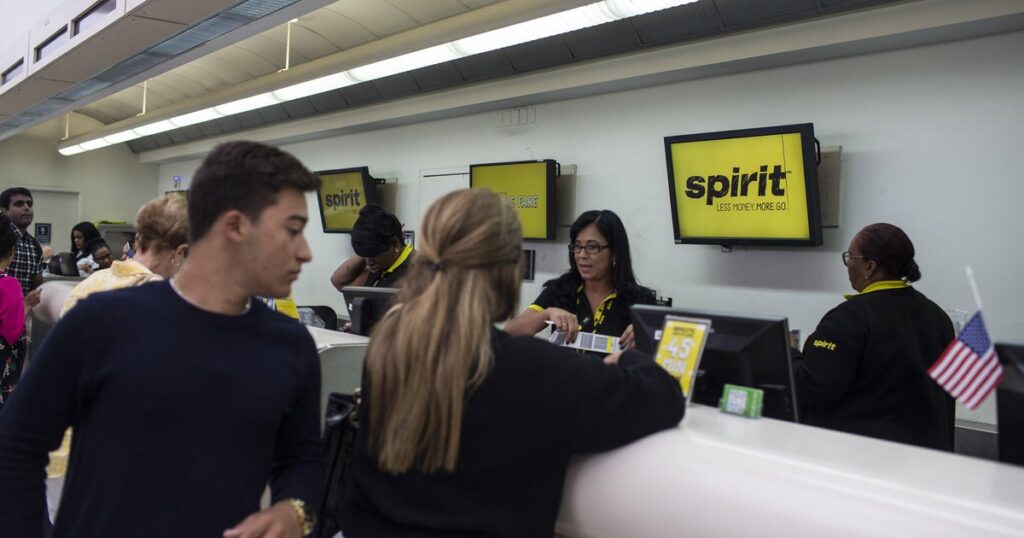
The Trump administration has begun revoking the legal status of migrants who entered the U.S. under a Biden-era policy that used the CBP One app to facilitate their temporary stay. This policy allowed over 900,000 migrants to enter the country with a two-year immigration parole, enabling them to work legally while awaiting asylum hearings. The decision to cancel these paroles reflects a significant shift in immigration policy, emphasizing border security and sparking discussions on its broader implications for affected individuals.
Posts published in “US”
President Trump's announcement of new tariffs, including a 10% tax on all U.S. imports and additional tariffs on imports from 90 countries, has raised concerns about a potential global trade war and caused stock market volatility. The administration is defending the tariffs while seeking to mitigate their economic impact through negotiations with trading partners and engaging with concerned business groups. Despite fears of increased consumer costs and a potential recession, the administration remains committed to the tariff plan and is working to reassure the business community with pro-growth policies.
President Donald Trump announced that the United States will engage in direct negotiations with Iran regarding its nuclear program, warning of "great danger" if Iran does not abandon its nuclear ambitions. Concurrently, the Israel Defense Forces reported an incident where soldiers opened fire on individuals allegedly threatening civilian safety, resulting in one fatality. In the Israeli-occupied West Bank, the funeral of 14-year-old Palestinian-American Amir Mohammed Rabee, who was shot and killed, underscores the ongoing regional tensions as the U.S. prepares for talks with Iran.
The Supreme Court ruled 5-4 in favor of the Trump administration's use of the Alien Enemies Act of 1798 to expedite the deportation of individuals alleged to be members of the Tren de Aragua gang, provided they are afforded due process. This decision overturns a previous federal judge's order that had halted these deportations due to concerns about the lack of legal proceedings. The Supreme Court emphasized the importance of jurisdiction, noting that the detainees are held in Texas, and redirected the legal proceedings to a more appropriate venue, highlighting the ongoing debate over immigration policy and the application of historical statutes.
Chief Justice John Roberts has temporarily stayed a lower court's order requiring the return of Kilmar Armando Abrego Garcia, who was mistakenly deported to El Salvador, to allow the Supreme Court more time to review the case. The Justice Department sought emergency relief from the Supreme Court as the Trump administration faced a deadline to bring Abrego Garcia back, raising significant questions about the criteria for deportation. This case underscores the complexities of immigration enforcement and deportation processes, with the Supreme Court's forthcoming decision potentially impacting similar future cases.
Lori Vallow Daybell, previously sentenced to life in Idaho for the murders of her two children and a romantic rival, is now on trial in Arizona for the conspiracy to commit murder of her fourth husband, Charles Vallow. Prosecutors allege that she conspired with her brother, Alex Cox, to kill Charles Vallow to improve her life circumstances, while Vallow Daybell, representing herself, has pleaded not guilty. The trial has attracted significant public attention, complicating the jury selection process, as many potential jurors were dismissed due to prior knowledge of the case.
Wall Street executives are increasingly expressing concerns about the Trump administration's trade policies, particularly the newly implemented tariffs, following a significant stock market downturn. Jamie Dimon, CEO of JPMorgan Chase, warned that these tariffs could lead to increased inflation and a slowdown in the U.S. economy, reflecting a broader unease among corporate leaders. A CNBC survey revealed that 69% of CEOs anticipate a recession, with many planning workforce reductions, while figures like Bill Ackman criticize the tariffs for undermining confidence in the administration's economic strategy.
A federal judge has condemned the U.S. government's deportation of Maryland resident Kilmar Armando Abrego Garcia to El Salvador as "wholly lawless," ordering his return to the United States. The case has highlighted tensions between the Trump administration and the judicial branch, particularly due to Garcia's deportation despite a previous immigration judge's order prohibiting his removal due to the risk of persecution by local gangs. As the deadline for compliance with the court order approaches, the situation underscores broader concerns about immigration policy enforcement and the balance of power between government branches.