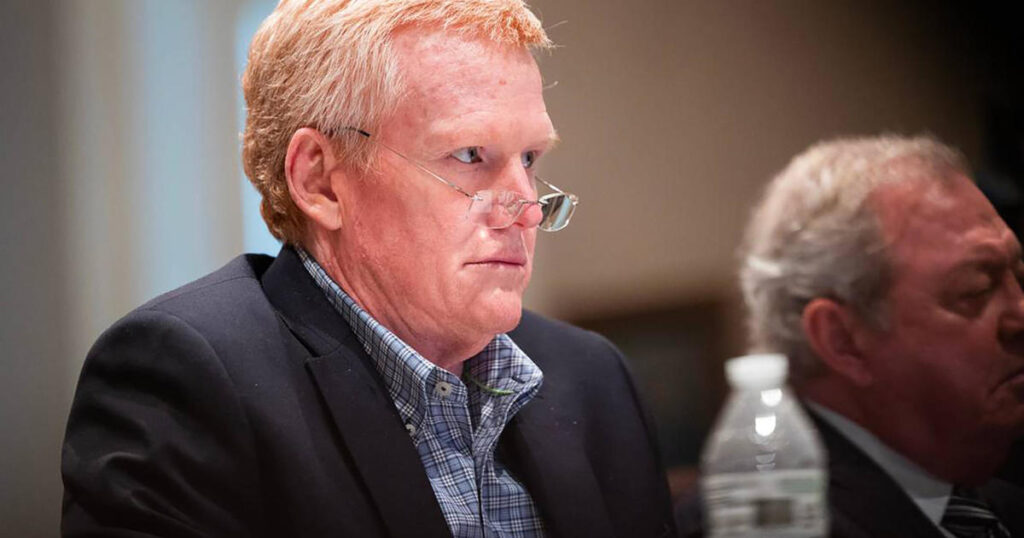
Alex Murdaugh, a convicted murderer and former personal injury lawyer, has been indicted on 22 financial fraud-related charges in South Carolina, including conspiracy to commit wire and mail fraud and fraud against the estate of his late housekeeper. If convicted, Murdaugh could face up to 20 years in prison for each count of fraud, and the case is currently under investigation.
Posts published in “Financial”
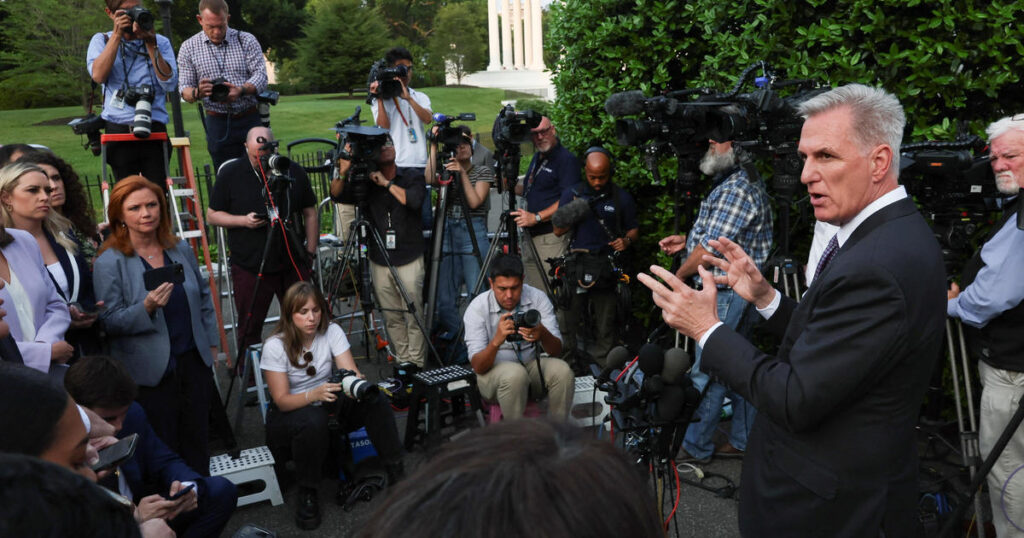
House Republicans and the White House are in negotiations to raise the debt ceiling, but remain far apart in their discussions. House Speaker Kevin McCarthy is optimistic that a deal can be reached before the June 1 deadline, when Treasury Secretary Janet Yellen has said the nation will run out of money to pay its bills. Negotiators Steve Ricchetti, Shalanda Young and Louisa Terrell met with McCarthy Tuesday morning to resume talks, but Republican Rep. Garret Graves said the two sides are still far apart.
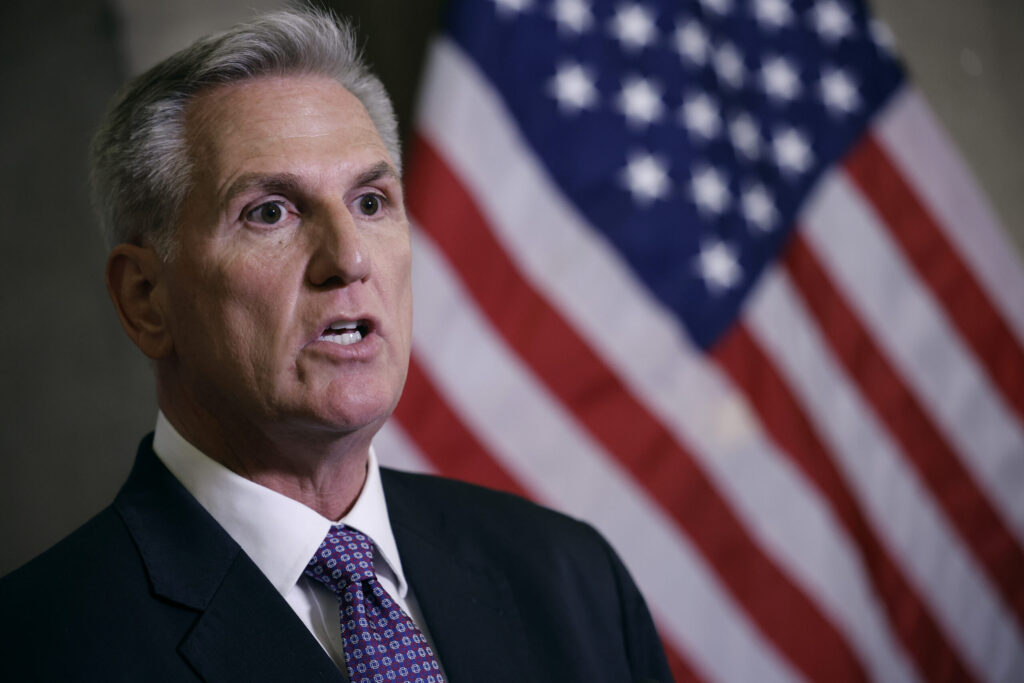
Treasury Secretary Janet Yellen has issued a warning to Congress to raise the debt limit by June 1 or risk defaulting on the government's debt. House Speaker Kevin McCarthy and President Joe Biden are negotiating a path to avoid default, but it is unclear if an agreement will be reached in time. Yellen's warning serves as a reminder of the urgency of the situation, and Congress must take action to ensure the government is able to meet its obligations.

Treasury Secretary Janet Yellen warned that the U.S. is likely to run out of money to pay its bills as early as June 1 if Congress does not raise or suspend the debt limit. Yellen set the June 1 deadline for the U.S. to extend the borrowing limit and warned that a first-ever default on the country's debt would have disastrous economic implications. She said that a default would have "catastrophic economic consequences that would last for decades."

Disney has cancelled its plans to expand its operations in Orlando, Florida, citing "changing business conditions" as the reason. The expansion would have included a new employee campus in Lake Nona and the relocation of the company's Imagineering team, and was estimated to cost $1 billion and relocate more than 2,000 California-based employees. Tensions between Disney and Florida Governor Ron DeSantis have been escalating, and with the return of CEO Bob Iger, Disney has decided to abandon the plans and keep its employees in California.

JPMorgan Chase CEO Jamie Dimon is still due to be deposed in the lawsuit, which seeks damages for the victims of Epstein’s sex trafficking.
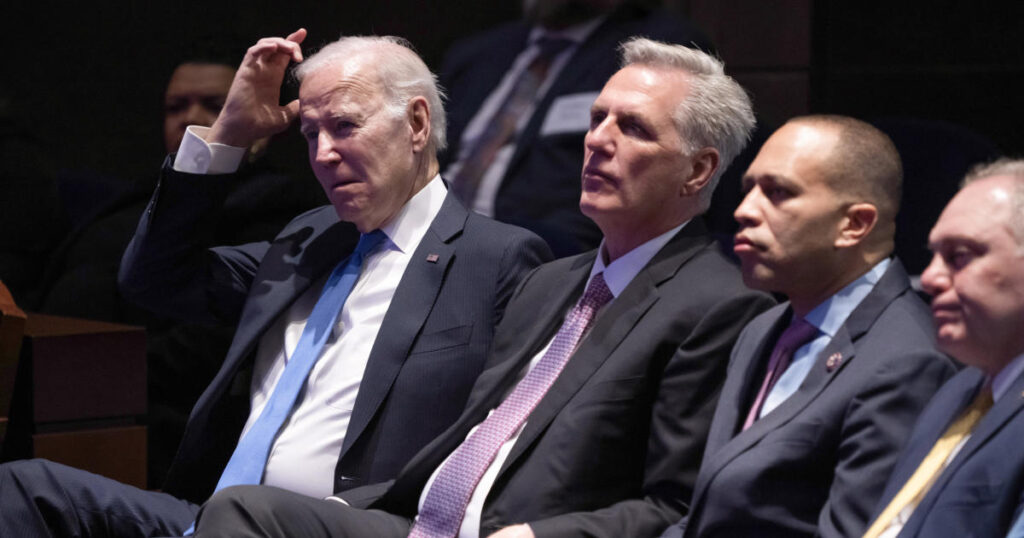
President Joe Biden and Rep. Glenn Thompson (R-Pa.) recently met to discuss the debt ceiling and federal spending, with Thompson proposing adding and tightening work requirements for those who receive entitlements and benefits. Democrats are pushing for "clean" legislation, while Republicans are holding out for spending cuts and other provisions. Negotiations are ongoing and the outcome is yet to be seen.
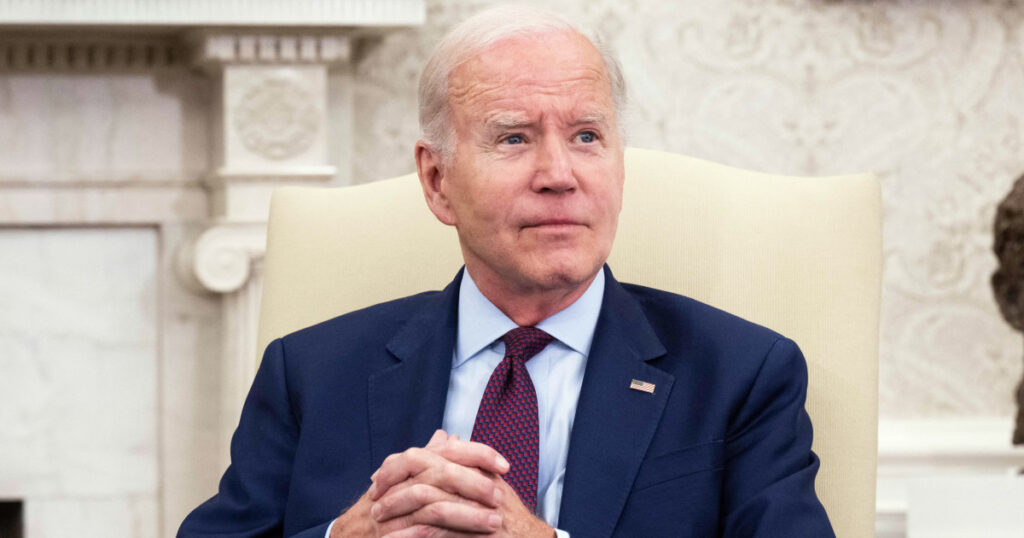
President Joe Biden expressed confidence Wednesday that a deal will be reached to raise the nation's debt ceiling before the deadline, cutting his trip to Japan short to address the issue. He said talks with congressional leaders have been "civil and respectful," and that he will not accept anything that would "undermine the core values of the country." All parties have come to the table in good faith, and Biden believes an agreement can be reached because "there is no alternative."