Key takeaways:
- DR Congo has recorded 2,325 Ebola deaths and 4,945 confirmed cases since the outbreak was declared on May 15.
- The outbreak has surpassed the 2,299 deaths from the country’s 2018-2020 Ebola outbreak, previously its deadliest.
- The current outbreak is caused by the Bundibugyo species, for which there is no approved vaccine, though several candidates are in development.
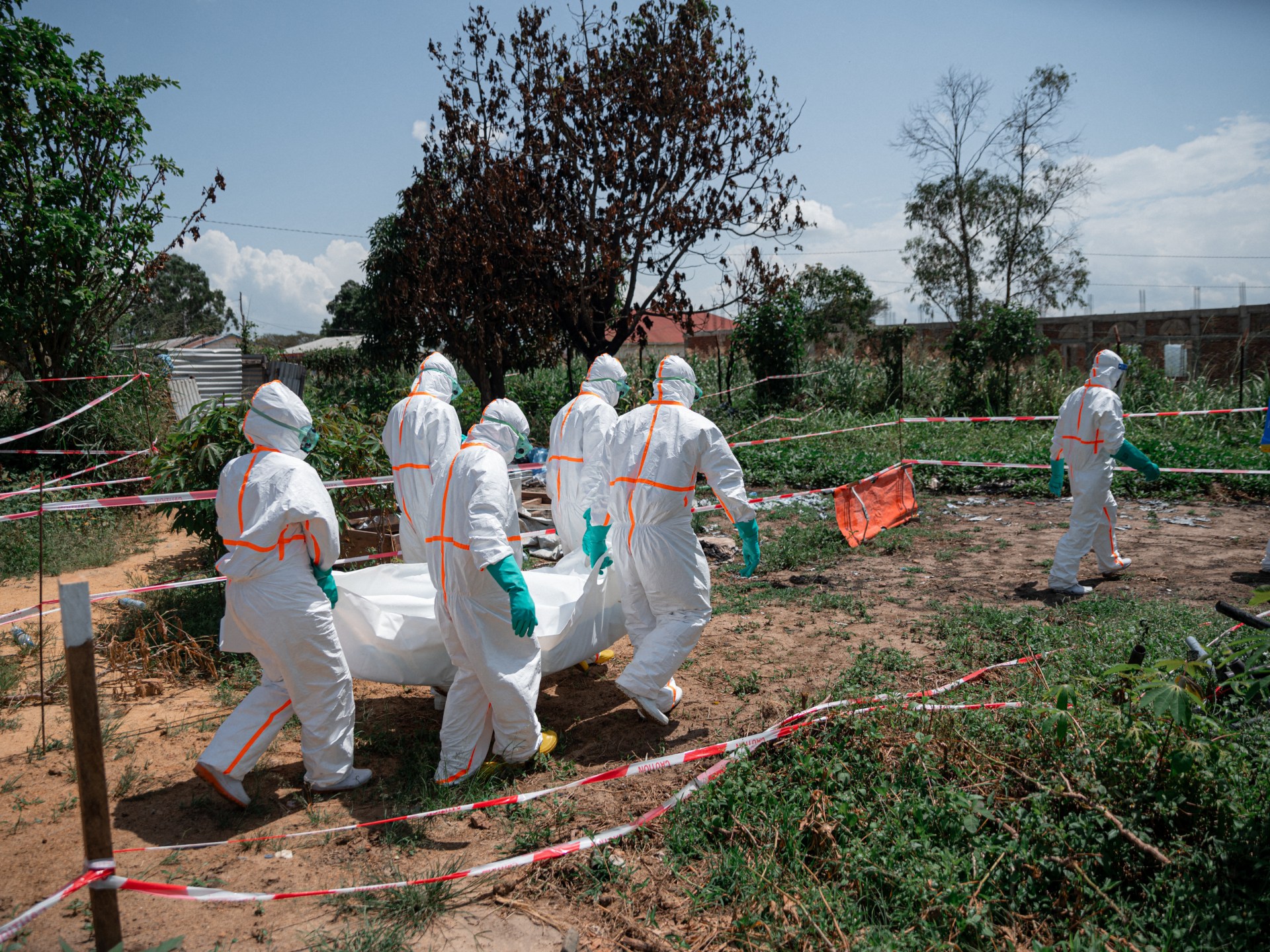
The Ebola outbreak in the Democratic Republic of the Congo has become the deadliest in the country’s history, killing 2,325 people since it was declared on May 15, public health officials said.
The toll has surpassed the 2,299 deaths recorded during the country’s 2018-2020 outbreak, which had been its worst on record. DR Congo’s National Public Health Institute said Sunday that confirmed infections had risen to 4,945, including 101 new cases in the previous 24 hours.
“The outbreak is the fastest growing on record,” Tom Fletcher, the United Nations humanitarian chief, said in a statement Friday. “We need speed, scale, and solidarity before this virus gets even further ahead of us.”
Fletcher also warned last week that “the epidemic is killing someone every 30 minutes.” In another statement cited by Al Jazeera, he said: “Ebola is winning in the Democratic Republic of the Congo. We cannot let the virus outrun our response.”
The outbreak is caused by the Bundibugyo species of Ebola virus, a rare form with only two known previous outbreaks. There is currently no approved vaccine for Bundibugyo, though several are in development. Al Jazeera reported that the species also has no approved treatments.
The virus has spread to six of DR Congo’s 26 provinces, and the World Health Organization has described the pace of transmission in the country as “exceptional.” Comparatively few cases have been reported outside DR Congo. As of Aug. 12, 20 cases had been confirmed in neighboring Uganda, while two people were treated in Germany and one case was declared in France, the BBC reported.
WHO Director-General Tedros Adhanom Ghebreyesus said Wednesday that, at its current pace, the outbreak is on track to eclipse the 2014-2016 West African Ebola outbreak, which killed more than 11,000 people, according to Al Jazeera. Reuters reported that the West African outbreak took nearly five months to reach 1,000 deaths, while the current DR Congo outbreak reached 2,000 deaths in less than three months.
The case fatality ratio has risen sharply, from about 20 percent in early June to 46 percent, according to government data cited by Al Jazeera. That means nearly one in every two confirmed cases is now fatal.
“Normally, as an outbreak progresses, the case fatality ratio should fall as contact tracing improves and patients are identified and treated earlier,” said Thomas Parisch, a public health specialist deployed to DR Congo with Doctors Without Borders, known by its French initials MSF. “Instead, we’re still seeing many cases detected very late, when treatment is less likely to succeed, with many identified only after they die in the community.”
Years of conflict, weak health infrastructure, remote communities and a highly mobile population have complicated efforts to contain the virus, particularly near DR Congo’s borders with South Sudan, Uganda and Rwanda.
Ebola is a rare but deadly viral disease. Symptoms can resemble flu or malaria, including fever, headache and tiredness, and may begin suddenly within two to 21 days of infection. As the disease progresses, vomiting and diarrhoea can develop and lead to organ failure. The virus spreads through contact with infected bodily fluids such as blood or vomit.
The United Kingdom’s medicines regulator, the MHRA, has approved the first human trials of a Bundibugyo vaccine developed by a University of Oxford team using technology behind the Oxford-AstraZeneca Covid-19 vaccine. Three other groups are developing separate Bundibugyo vaccine candidates, the BBC reported.
The WHO is also sponsoring a clinical trial in DR Congo to test whether two existing antiviral therapies can improve survival rates. The agency has said it hopes to reverse the spread of the disease within three months, while warning that would mean bringing transmission under control, not ending the outbreak entirely.






Be First to Comment