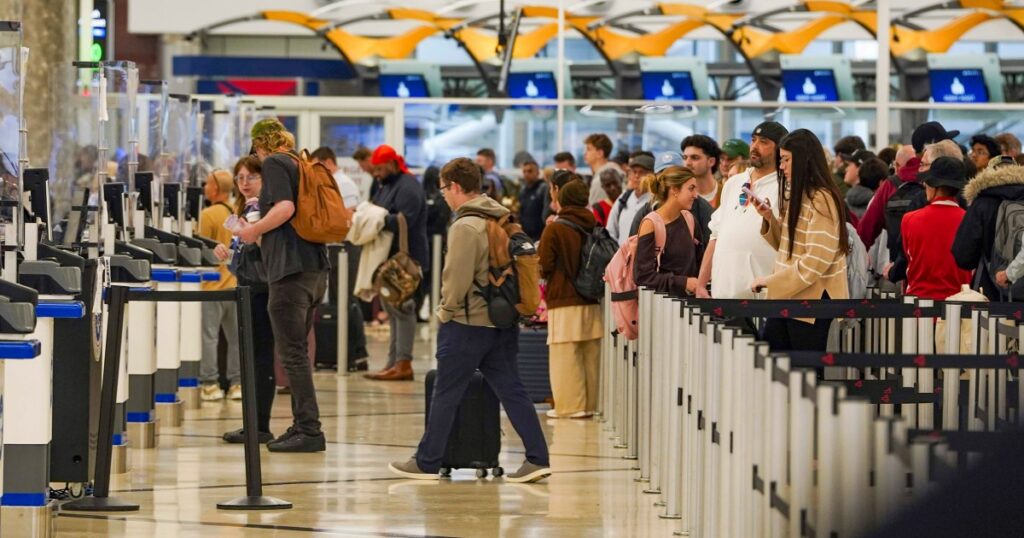
The partial government shutdown has caused significant delays at U.S. airport security checkpoints due to TSA employees missing paychecks, leading to increased resignations and callouts that strain staffing levels nationwide. Key airports like Atlanta, Austin, and Houston are experiencing severe wait times, with TSA officials warning that the situation will worsen unless funding is restored. The shutdown, rooted in a political deadlock over immigration policy, has left many TSA workers struggling financially, prompting calls from airlines and officials for Congress to resolve the impasse to stabilize airport operations.
Posts published in “Financial”

The conflict between the United States, Israel, and Iran has led to the near closure of the Strait of Hormuz, severely disrupting global oil supplies and causing sharp price increases, particularly impacting energy-dependent Asian countries that have implemented emergency measures to cope with shortages. This disruption has triggered broader economic consequences, including rising costs for fuel and essential products like fertilizers, stock market declines, and a shift toward alternative energy sources. Meanwhile, maritime operations in the strait have become increasingly dangerous due to attacks and military tensions, with shipping largely deterred despite U.S. efforts to secure the vital waterway.
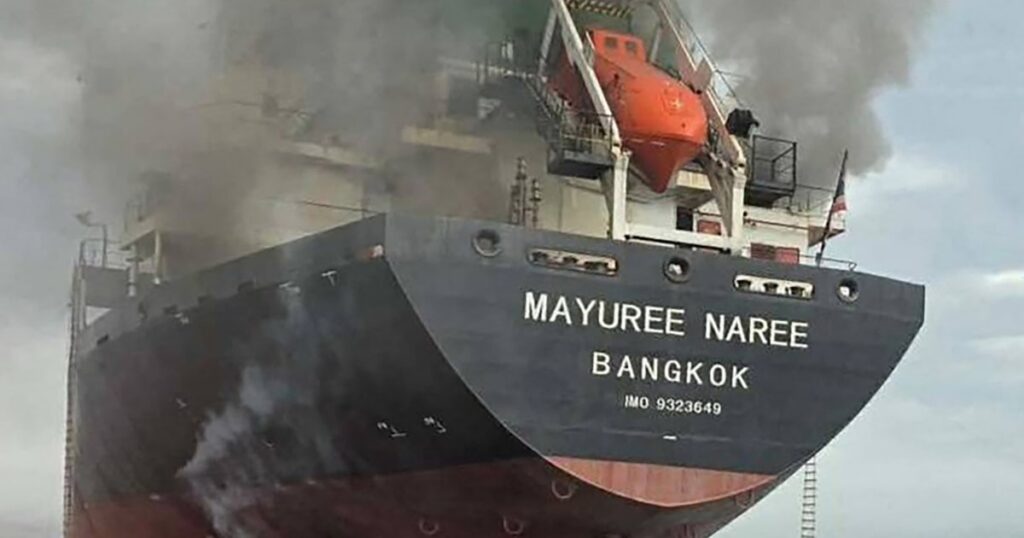
U.S. President Donald Trump has called on allied and rival nations to jointly patrol the Strait of Hormuz to secure the vital oil shipping route amid escalating tensions, but countries like Japan, France, China, the UK, and South Korea have responded cautiously without committing to military involvement. Iran maintains its stance of self-defense, denying closure of the strait and blaming U.S. actions for the insecurity, while allowing some vessels safe passage. Experts warn that even a multinational naval presence may not ensure security due to the strait’s narrowness and asymmetric threats, suggesting that diplomatic solutions may be more effective than military intervention.
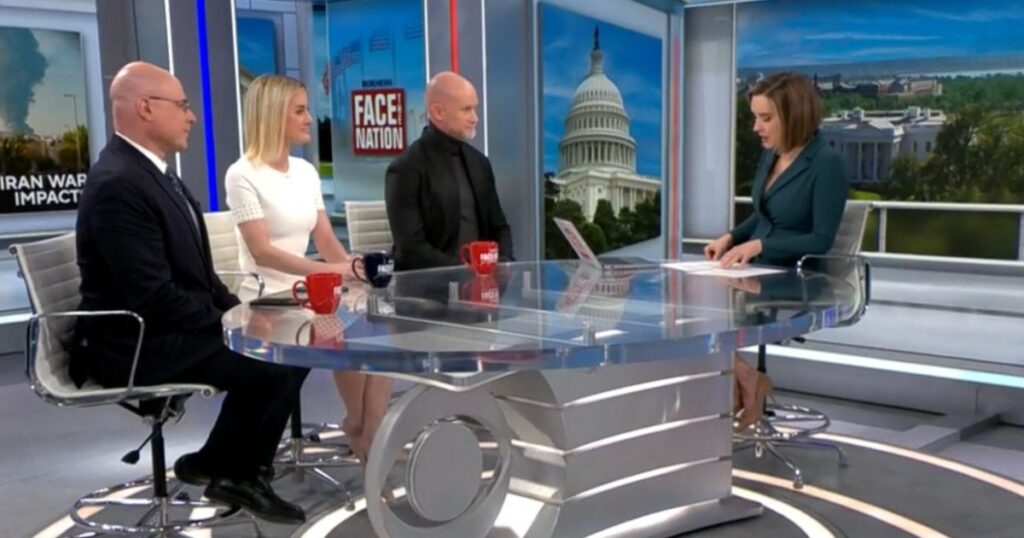
The ongoing U.S.-Iran conflict has sparked legal and political debates over the Trump administration’s military actions without explicit congressional authorization, with plans to request up to $50 billion in emergency supplemental funding that some view as retroactive approval. While the Department of Defense has existing funds for missile defense and munitions, questions remain about the necessity of additional emergency appropriations, as Congress holds significant power over military funding. Meanwhile, escalating military strikes, Iran’s refusal to negotiate, and rising domestic economic and security concerns underscore the complex geopolitical and domestic ramifications of the conflict.
US Strikes Military Targets on Iran’s Kharg Island, Sparing Oil Facilities Amid Rising Gulf Tensions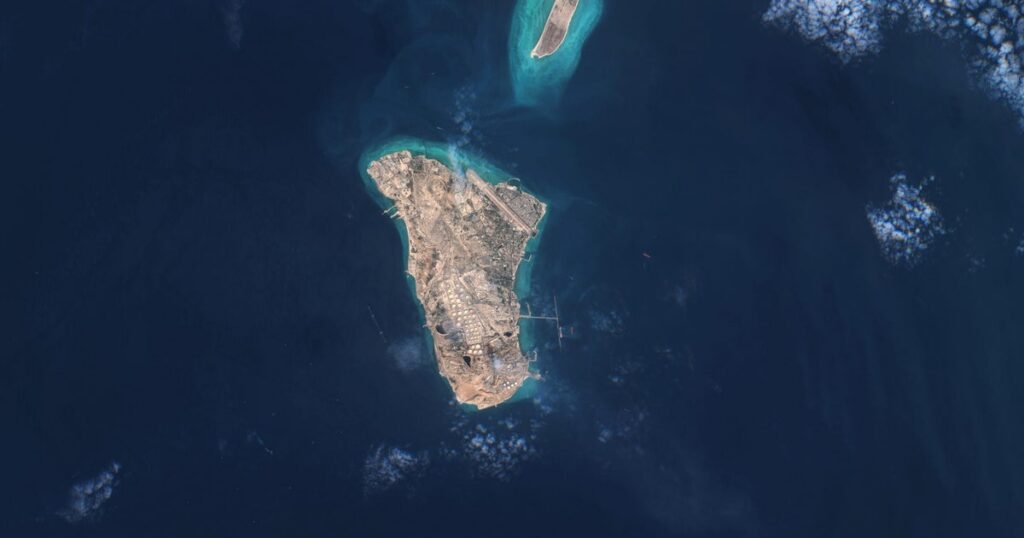
US Strikes Military Targets on Iran’s Kharg Island, Sparing Oil Facilities Amid Rising Gulf Tensions
Kharg Island, a vital hub for Iran’s oil exports located near the Strait of Hormuz, has recently been targeted by U.S. military strikes aimed at disabling military sites while sparing energy infrastructure to avoid disrupting global oil supplies. President Trump emphasized that any negotiation with Iran would require the country to abandon its nuclear ambitions and highlighted ongoing international efforts to secure the Strait of Hormuz amid escalating regional tensions. The conflict continues to heighten instability in the Gulf, with Iran threatening to close the strategic shipping lane and the U.S. coordinating with allies to maintain open passage.
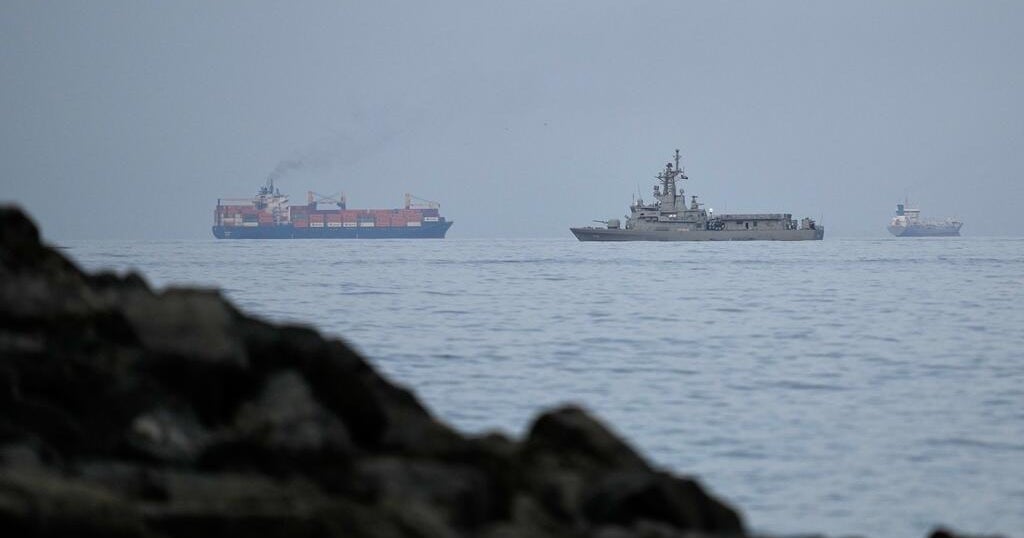
The Trump administration is considering a military operation to escort oil tankers through the Strait of Hormuz following a series of attacks on vessels in the Persian Gulf, which have disrupted global oil shipments and driven up prices. The proposed operation involves neutralizing Iranian threats through strikes on missile and drone facilities before providing convoy protection with U.S. Navy ships and international partners, amid ongoing drone attacks by Iran targeting U.S. bases and regional infrastructure. As the conflict escalates, the U.S. and allies are working to secure critical maritime routes and counter Iran’s advanced drone warfare capabilities in a highly volatile environment.
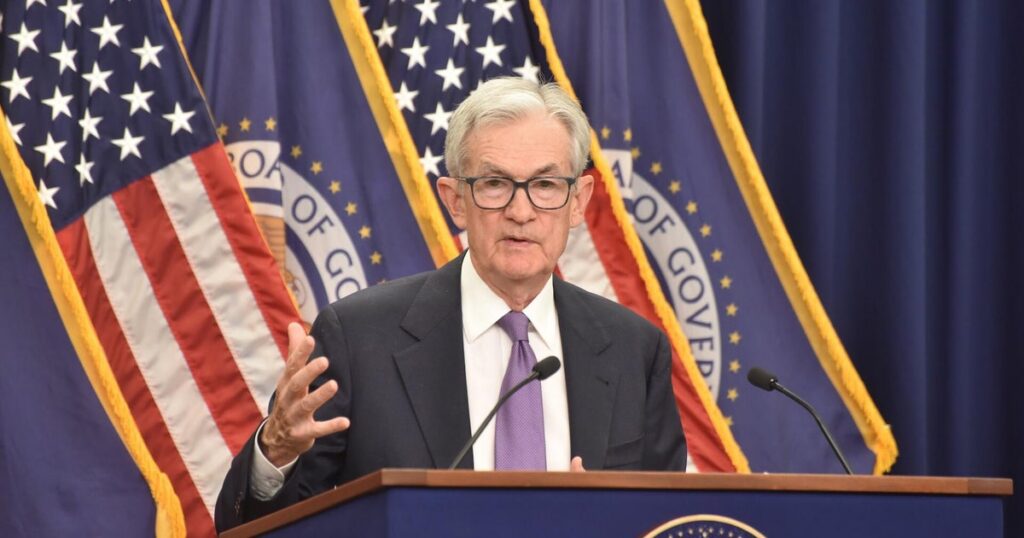
A federal judge dismissed grand jury subpoenas targeting Federal Reserve Chair Jerome Powell, ruling they were intended to pressure him rather than investigate legitimate criminal conduct. The investigation, led by U.S. Attorney Jeanine Pirro, focused on Powell’s testimony about a costly Federal Reserve renovation project but was criticized as politically motivated, especially given President Trump’s public attacks on Powell for resisting interest rate cuts. The ruling blocks the subpoenas, prompting plans for an appeal from the Justice Department, while some lawmakers welcomed the decision as a check on a weak investigation.
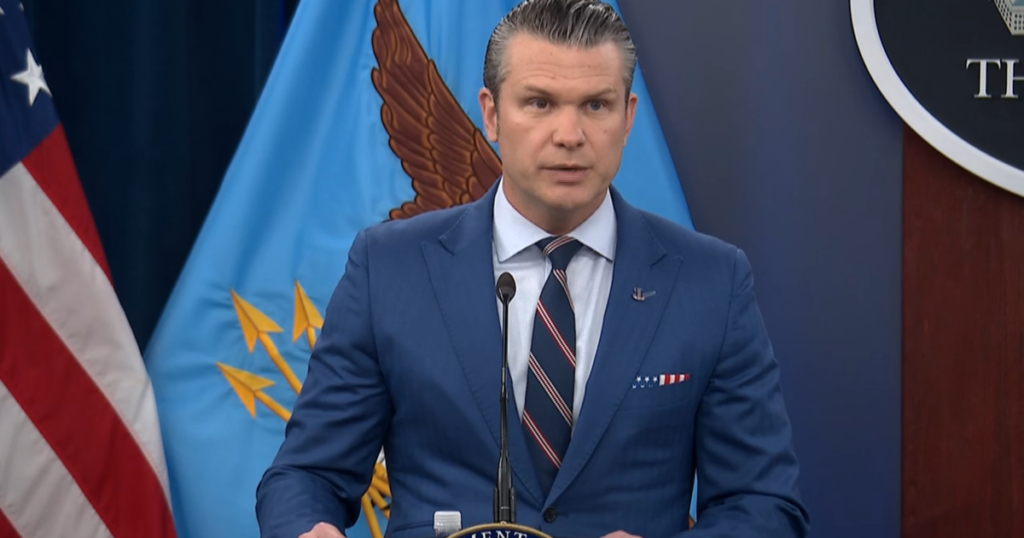
The Pentagon provided updates on the U.S.-Iran conflict, reporting a significant reduction in Iran’s missile capabilities and ongoing investigations into a recent U.S. tanker crash in Iraq. Despite extensive U.S. strikes on Iranian targets, Iranian attacks continue, impacting global oil prices and prompting temporary easing of sanctions on Russian oil to stabilize markets. Public opinion remains divided over the conflict, with mixed messaging from U.S. officials and Iran asserting its intent to control the Strait of Hormuz and sustain attacks in the region.