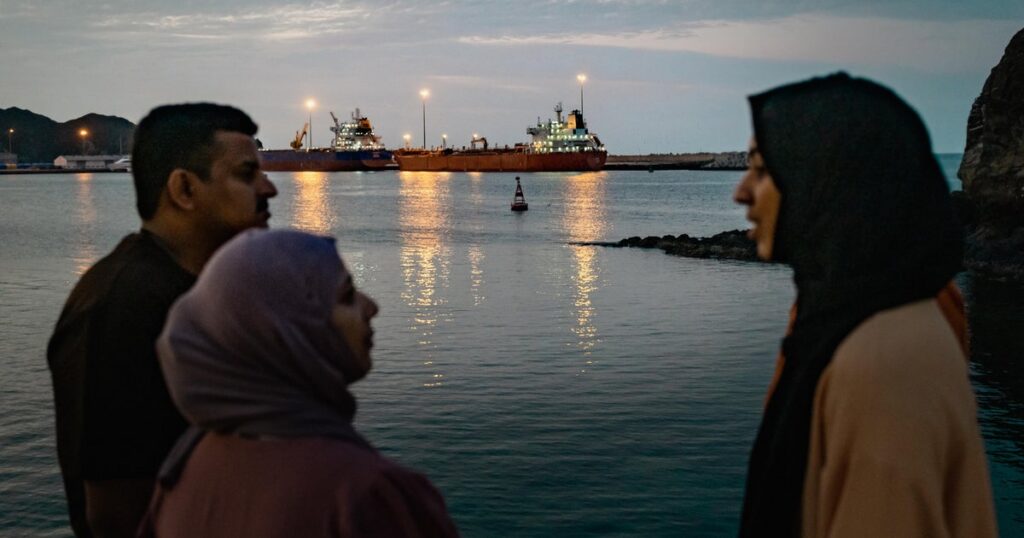
President Donald Trump postponed his ultimatum for Iran to reopen the Strait of Hormuz, citing ongoing "good and productive" negotiations amid escalating regional tensions and threats of military strikes. Iran denied direct talks with the U.S., accusing Washington of initiating the conflict and dismissing claims of missile attacks, while international markets reacted positively to the delay with rising stock futures and falling oil prices. The conflict has caused significant casualties in Iran, prompted internal crackdowns, and led to cautious diplomatic responses, with U.S. officials defending their hardline stance as necessary to de-escalate the situation.
Posts published in “Financial”
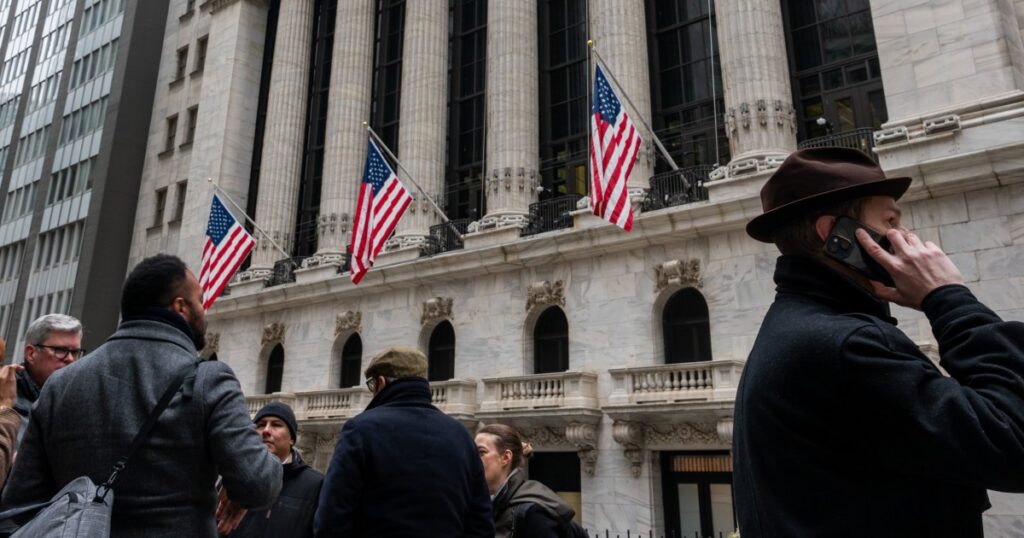
U.S. stock markets surged on Monday after President Donald Trump announced a five-day delay in military strikes on Iranian power plants, easing fears of immediate conflict amid tensions over the Strait of Hormuz. The announcement led to a sharp decline in oil prices, though crude remains significantly higher than pre-conflict levels, contributing to rising gasoline costs in the U.S. Despite the temporary de-escalation, Iranian officials rejected dialogue with Washington, maintaining a tense diplomatic standoff.
The U.S. Treasury Department has temporarily eased sanctions on Iranian oil shipments already at sea to help lower soaring global energy prices, allowing purchases of oil loaded before a specified deadline until April 19. This narrowly tailored move aims to increase supply without significantly benefiting Iran financially, marking a shift from previous maximum pressure policies amid ongoing tensions and geopolitical conflicts affecting oil markets. However, experts remain skeptical about the relief’s effectiveness, while high fuel costs continue to impact industries like aviation, prompting operational adjustments and discussions of increased security measures in critical shipping routes.
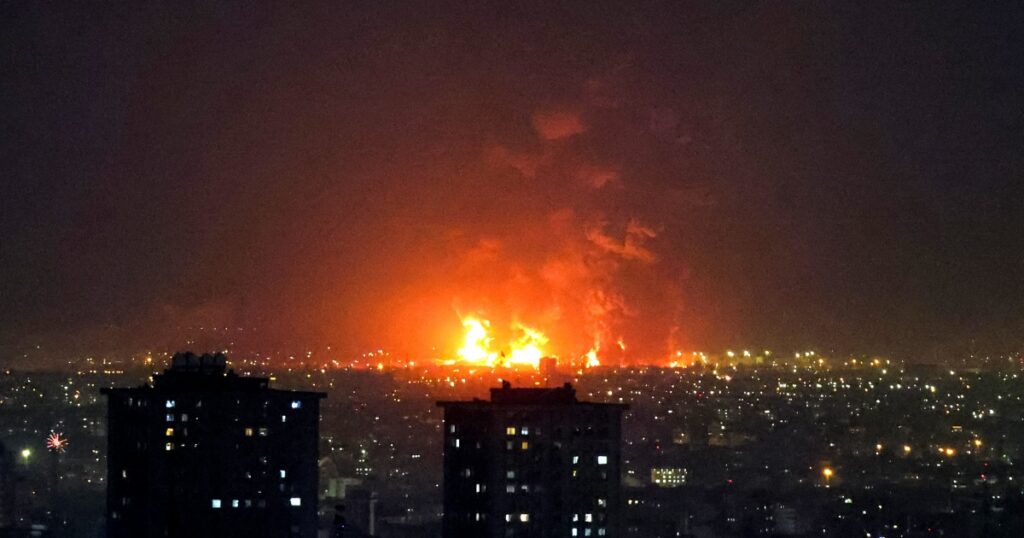
The conflict involving the United States, Israel, and Iran has intensified tensions across the Persian Gulf, with Iran launching retaliatory strikes on energy and civilian infrastructure in neighboring countries, prompting a high-level Gulf states meeting in Riyadh to address the escalating crisis. These attacks have severely impacted regional security and global energy markets, causing significant damage to oil and gas facilities and driving up oil prices, while military confrontations have included missile strikes, air raids, and the emergency landing of a U.S. F-35 jet. Despite widespread alerts and civilian sheltering, Gulf states remain divided on their response, with calls for de-escalation and ceasefire from some, amid fears of broader regional destabilization.

The FCC has approved Nexstar Media Group’s $6.2 billion acquisition of Tegna Inc., creating the largest local television station operator in the U.S. despite lawsuits from eight states and DirecTV arguing the merger will harm competition, raise consumer prices, and reduce local journalism diversity. FCC Chairman Brendan Carr defended the decision, citing regulatory waivers and conditions to promote competition and localism, while Nexstar’s CEO emphasized the deal’s importance for sustaining local journalism amid competition from Big Tech. Critics, including Democratic officials and FCC Commissioner Anna M. Gomez, condemned the approval for lacking transparency and warned it could create a broadcast monopoly, with legal challenges ongoing in federal court.
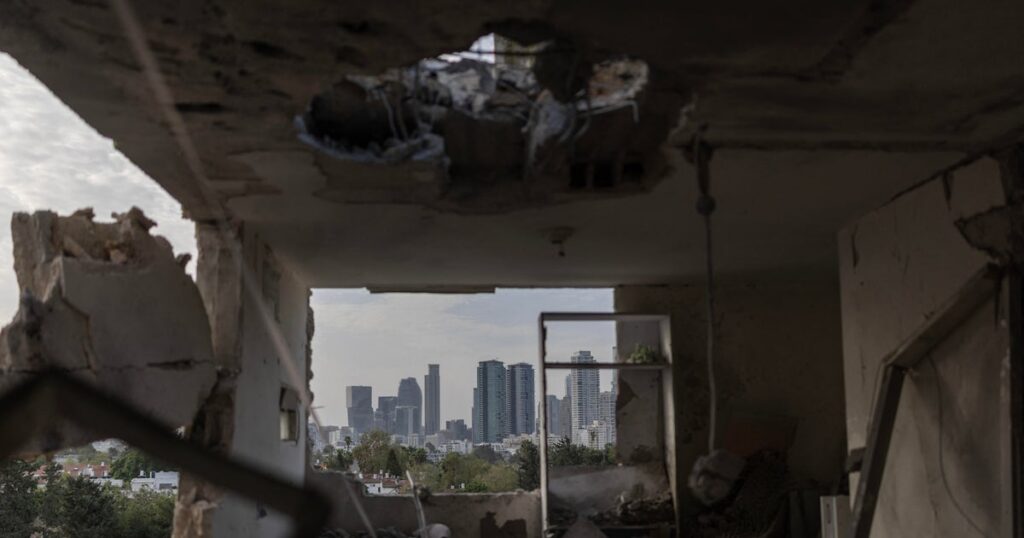
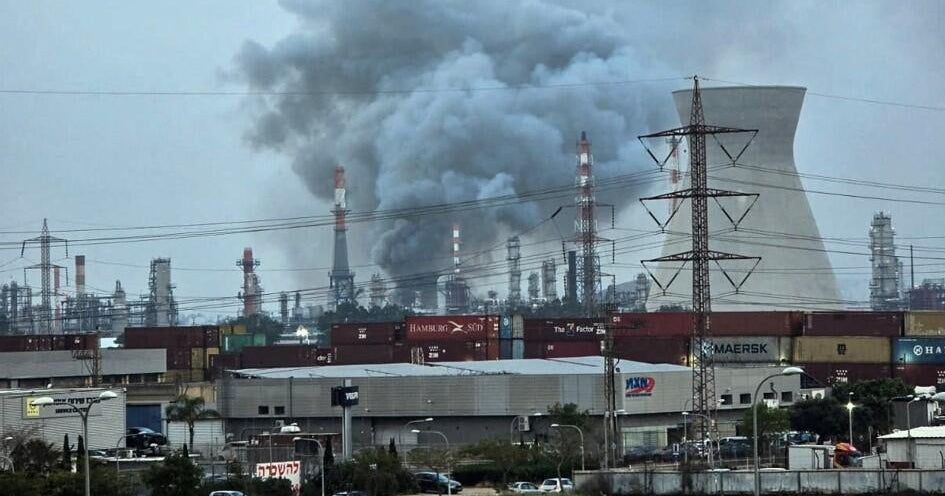
The conflict between Israel, the United States, and Iran has escalated sharply after an Israeli strike on Iran’s South Pars gas field, prompting Iranian retaliatory attacks on energy infrastructure across Gulf states and causing major disruptions to global energy supplies. These attacks have led to soaring oil and natural gas prices, closure of the Strait of Hormuz to tanker traffic, and heightened regional tensions, with international actors calling for de-escalation amid widespread condemnation. The ongoing crisis threatens regional stability and global markets, while diplomatic efforts have so far failed to resolve the conflict, leaving the situation highly volatile.
Federal Reserve Holds Interest Rates Steady Amid Middle East Conflict and Rising Inflation Pressures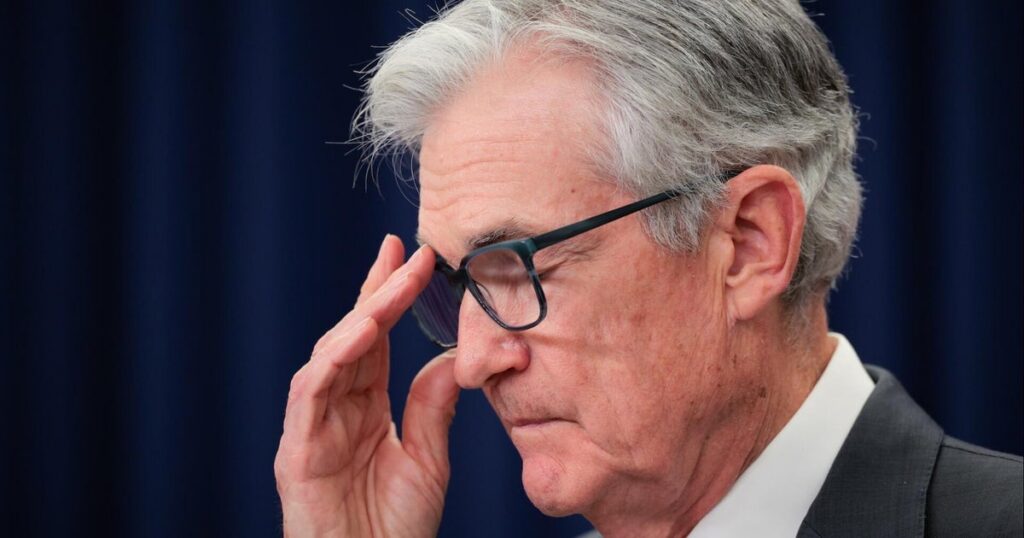
Federal Reserve Holds Interest Rates Steady Amid Middle East Conflict and Rising Inflation Pressures
The Federal Reserve announced it will keep its benchmark interest rate steady at 3.5% to 3.75%, marking a second consecutive pause amid economic uncertainty driven by geopolitical tensions in the Middle East. Rising energy prices due to the conflict between the U.S., Israel, and Iran have intensified inflationary pressures, while recent economic data showed unexpected job losses and higher wholesale inflation. Federal Reserve Chair Jerome Powell is expected to provide further guidance on monetary policy amid these challenges, with potential rate cuts later in 2026 remaining uncertain.
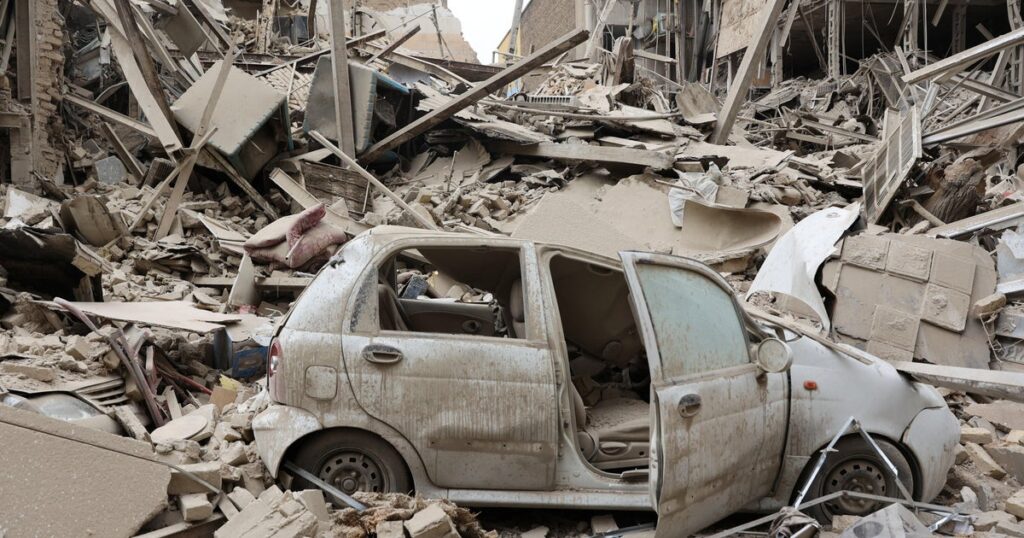
President Donald Trump has urged countries dependent on oil shipments through the Strait of Hormuz to help reopen the waterway, which Iran has effectively closed amid escalating regional conflict following a U.S.-Israeli military campaign. However, many traditional U.S. allies, including European and Pacific nations, have declined to participate in securing the strait, emphasizing diplomacy and conflict resolution over military involvement. The ongoing tensions have driven up global oil prices, strained international relations, and resulted in significant military engagements and regional instability.