
Brent crude oil prices surged to $115 per barrel amid escalating U.S.-Iran tensions and disruptions in the Strait of Hormuz, a key oil transit route, causing significant volatility in global energy markets. The spike in oil prices has led to higher gasoline costs in the U.S., reducing disposable income for consumers and increasing expenses for businesses, potentially slowing economic growth amid fragile demand. Despite strong domestic energy production, the U.S. faces inflationary pressures and market uncertainty as geopolitical risks persist, with analysts warning that prolonged conflict could push oil prices even higher.
Posts published in “Financial”
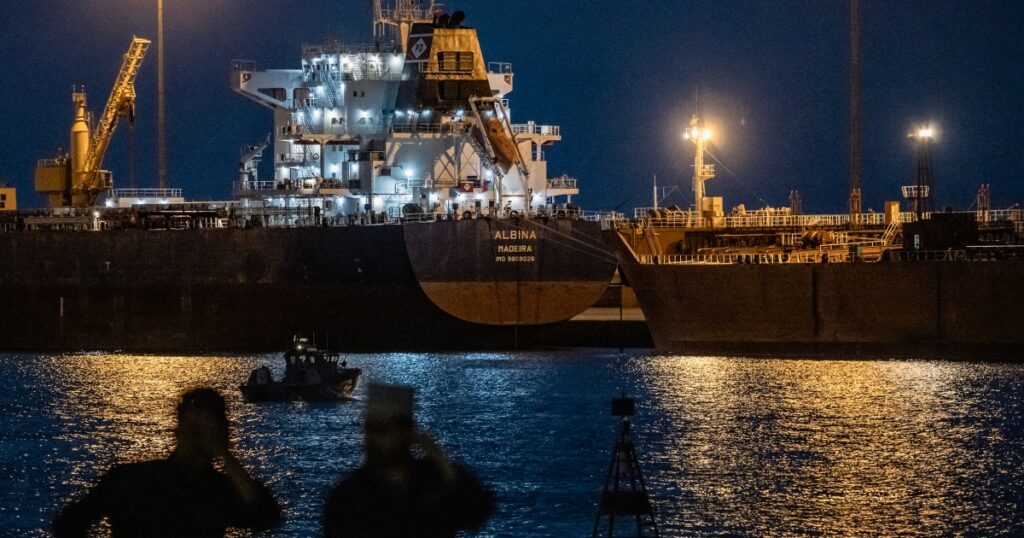
Global oil prices surged to new highs as escalating conflict between the United States, Israel, and Iran intensified missile and drone attacks across the Middle East, raising concerns about prolonged regional instability. Iran and its allied forces targeted Israeli infrastructure and U.S. military assets, while diplomatic efforts for resolution remain stalled amid threats of severe retaliation. The conflict has disrupted global energy markets, particularly impacting Asian oil supplies and driving U.S. gasoline prices to their highest levels since mid-2022, with experts warning of further price spikes and inflationary risks.

Conservative activists at CPAC in Texas largely support former President Trump’s military action against Iran but express concerns about economic strain, rising gas prices, and avoiding U.S. ground troop deployment. The conflict’s impact on the economy and Republican Party unity has raised worries about the upcoming midterm elections, even as loyalty to Trump remains strong among many attendees. Meanwhile, broader political tensions persist, including a historic DHS shutdown linked to immigration funding disputes, highlighting the complex domestic challenges amid the ongoing war.
Bank of America has agreed to a $72.5 million settlement in a lawsuit alleging the bank facilitated Jeffrey Epstein’s sex trafficking operation by providing banking services while ignoring warning signs and regulatory duties. The lawsuit, filed on behalf of Epstein’s alleged victims, accuses the bank of enabling Epstein’s control over victims and highlights the involvement of billionaire Leon Black, who allegedly transferred funds used to finance Epstein’s activities. This settlement is part of a broader legal effort targeting financial institutions that supported Epstein, following similar settlements by JPMorgan Chase and Deutsche Bank.

The conflict between the United States and Iran has drastically reduced shipping traffic through the Strait of Hormuz by up to 95%, causing a sharp rise in oil prices and marine insurance premiums due to heightened risks of missile and drone attacks. Efforts to protect commercial vessels, including potential U.S. military escorts and expanded insurance programs, face delays and are unlikely to restore normal shipping until a ceasefire or de-escalation occurs. Meanwhile, the involvement of Iran-backed Houthi militants in missile attacks against Israel threatens further disruptions in the Red Sea and Bab el-Mandeb Strait, escalating the conflict into a broader regional crisis with significant impacts on global energy supply and maritime commerce.
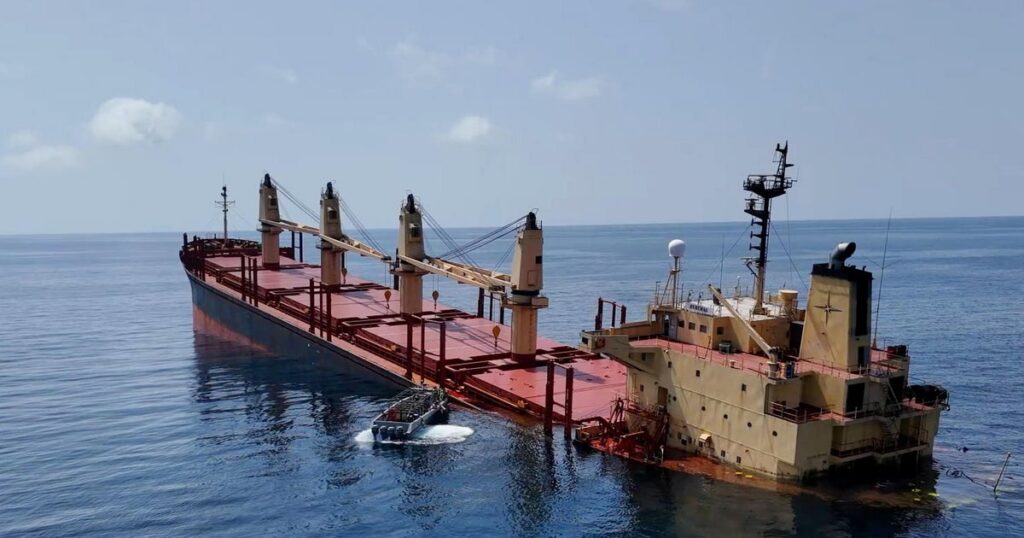
Iran’s Revolutionary Guard Corps has declared the Strait of Hormuz closed to unauthorized ships, significantly disrupting a key maritime route that handles about 20% of the world’s crude oil and causing Brent crude prices to surge above $110 per barrel. Iran has enforced this closure by turning back vessels, imposing hefty fees near Larak Island, and is considering formal legislation for these charges, while also hinting at threats to the Bab el-Mandeb Strait, another critical shipping lane. The closure and ongoing conflict have stranded around 20,000 seafarers in the region, led to casualties, and prompted calls from the UAE for a multinational force to secure the strait and stabilize global energy markets.
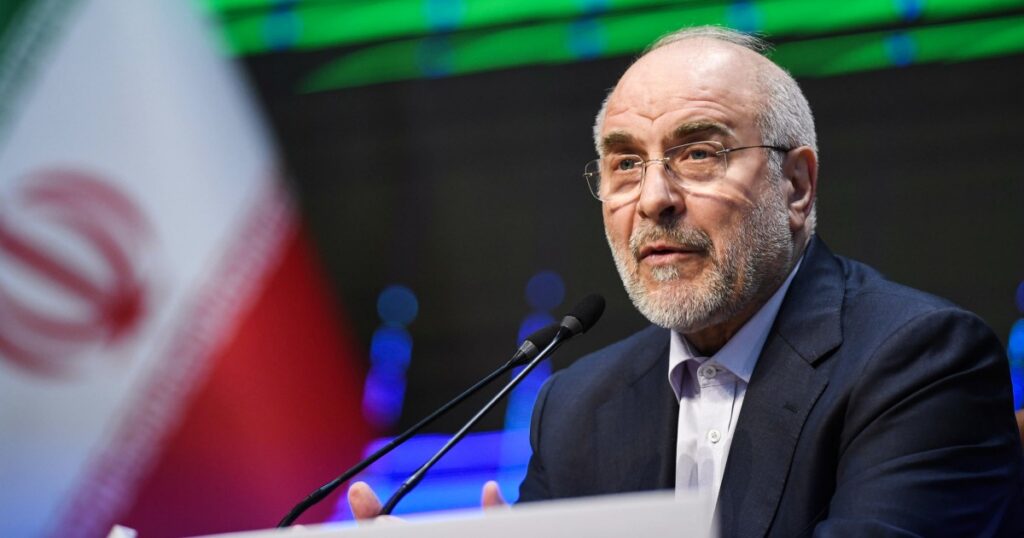
Tensions in the Strait of Hormuz remain high as Iran rejects U.S. claims of progress in negotiations and continues to enforce a blockade, turning back commercial ships and imposing hefty transit fees that violate international law. The situation has drawn condemnation from Gulf neighbors and global markets have reacted negatively, with rising oil prices and falling stock markets amid uncertainty. Internally, Iran’s leadership has shifted toward a hard-line, military-dominated faction led by figures like Mohammad Bagher Ghalibaf and Ahmad Vahidi, signaling a tough stance in any potential talks with the U.S.
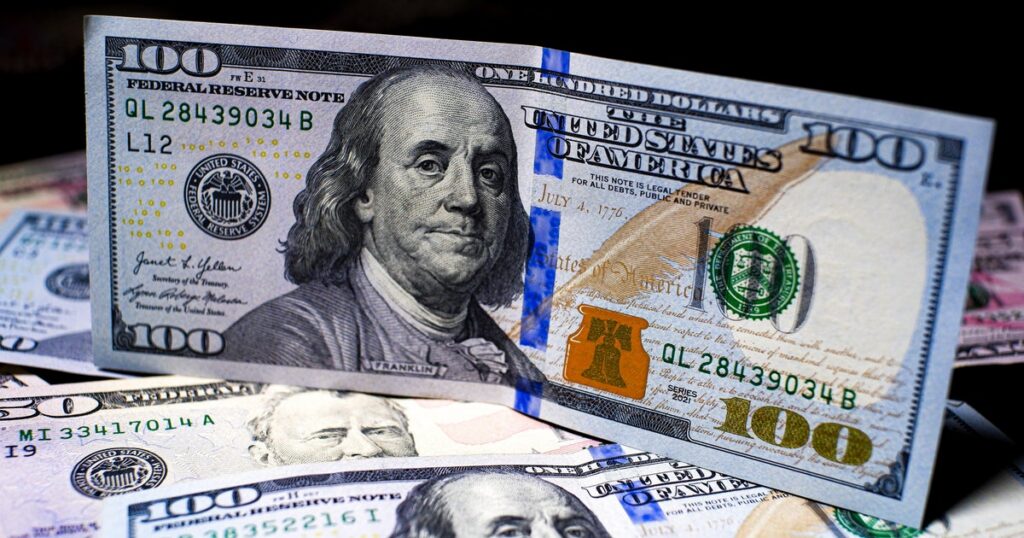
The U.S. Treasury Department announced that President Donald Trump’s signature will be added to new paper currency for the first time, commemorating the nation’s 250th anniversary alongside Treasury Secretary Scott Bessent’s signature. This change coincides with plans for a 24-karat gold commemorative coin featuring Trump’s likeness, both intended to honor the country’s historic milestone and Trump’s recent economic leadership. The new currency is expected to be introduced later this year amid ongoing economic challenges, with the Treasury praising Trump’s impact on the nation’s economic revival.