
A ceasefire between the U.S. and Iran has eased tensions but gas prices remain high amid uncertainty over the Strait of Hormuz. Experts say any relief at the pump could take weeks and may reverse if the truce falters.
Posts published in “Financial”

Stocks surged and oil prices plunged after a two-week ceasefire was announced between the U.S. and Iran, easing fears of a prolonged energy crisis. Despite the positive market reaction, analysts caution that uncertainty remains about the future of shipping through the Strait of Hormuz and the durability of the ceasefire.

The U.S. added 178,000 jobs in March, exceeding expectations as the unemployment rate fell to 4.3%. Gains in health care, construction, and transportation contrast with concerns over wage growth, labor force participation, and rising energy costs amid the Iran conflict.

U.S. stocks fell sharply and oil prices surged after President Trump pledged continued strikes on Iran without outlining a ceasefire plan or reopening the Strait of Hormuz. The Dow dropped over 600 points as energy prices and inflation concerns rose.
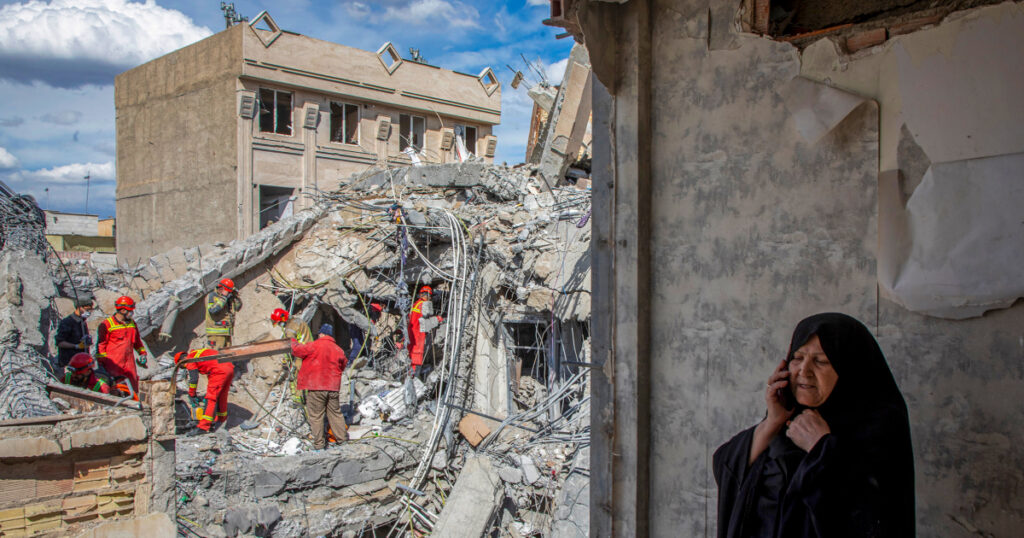
U.S. gasoline prices have surged past $4 per gallon due to disruptions in global oil supplies caused by the Iran conflict and the effective closure of the Strait of Hormuz. President Trump plans a prime-time address to update on the situation, promising a resolution soon and a return to lower fuel prices, though experts warn prices may rise further in the short term. Meanwhile, Trump's threats to target Iranian civilian infrastructure have drawn condemnation from legal experts who warn such actions could constitute war crimes, amid ongoing regional casualties and accusations against all involved parties.
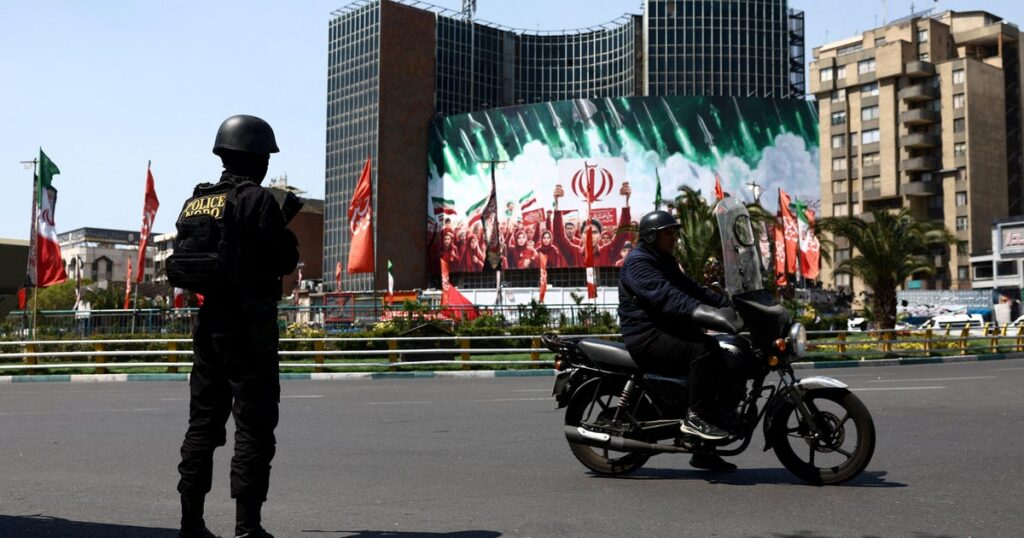
President Donald Trump indicated that U.S. military operations against Iran could end within two to three weeks, leading to a decline in oil prices and gains in global stock markets amid hopes for de-escalation. Trump also threatened to withdraw the U.S. from NATO over European allies’ lack of support for the Iran campaign, raising concerns among members and potentially benefiting Russia. Meanwhile, Pakistan has offered to mediate peace talks between the U.S. and Iran, backed by regional powers, but its efforts are complicated by ongoing conflict with Afghanistan that threatens regional stability.
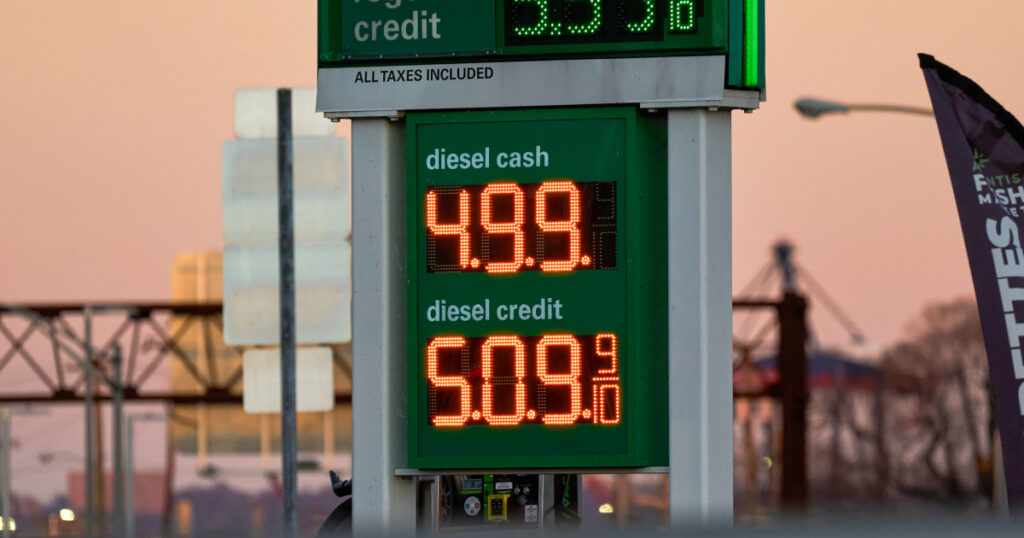
Gasoline and diesel prices in the U.S. have surged to levels not seen since mid-2022, driven by escalating conflict involving Iran and disruptions to oil supply through the Strait of Hormuz. The war has caused crude oil prices to rise sharply, with diesel reaching $5.45 per gallon and gasoline surpassing $4.00, leading to significant economic impacts such as reduced consumer spending and increased household fuel expenses. Globally, energy-dependent countries face inflation and economic slowdowns as the conflict continues to disrupt oil markets.
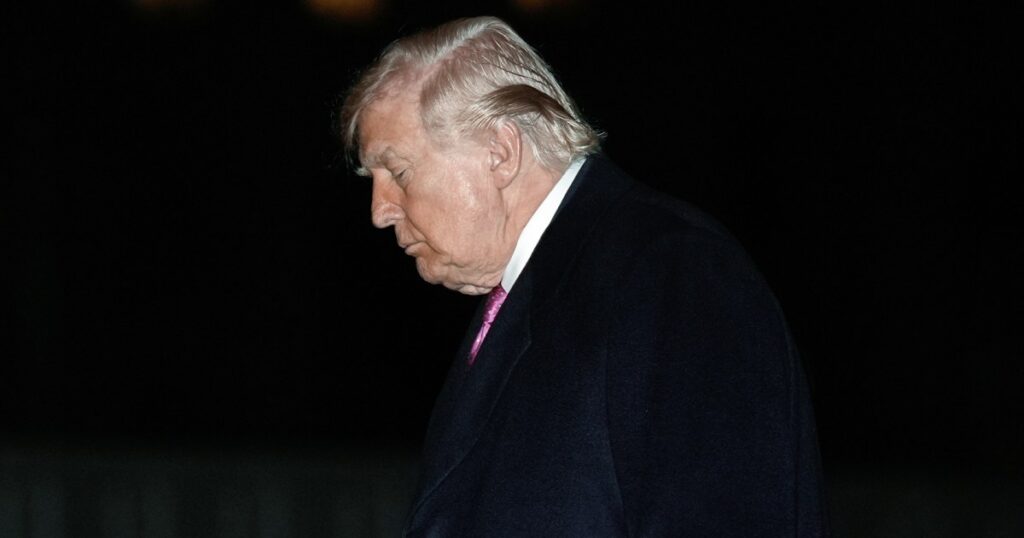
Rising tensions between the United States, Israel, and Iran have led to attacks on critical infrastructure, including a water desalination plant on Qeshm Island and an Iranian drone strike on a Kuwaiti oil tanker, causing regional instability and driving up global energy prices. Israeli Prime Minister Netanyahu claimed significant military progress against Iran and proposed alternative energy routes to bypass Iranian-controlled waterways, while the U.S. considers further military options to secure the Strait of Hormuz. Despite ongoing behind-the-scenes diplomatic efforts, direct negotiations remain stalled as both sides maintain firm demands, prolonging the conflict and uncertainty in the region.