Press "Enter" to skip to content

Posts published in “Financial”

Global Markets Plunge as $2 Trillion Wiped Out Amid U.S. Tariff Fears and Economic Growth Concerns

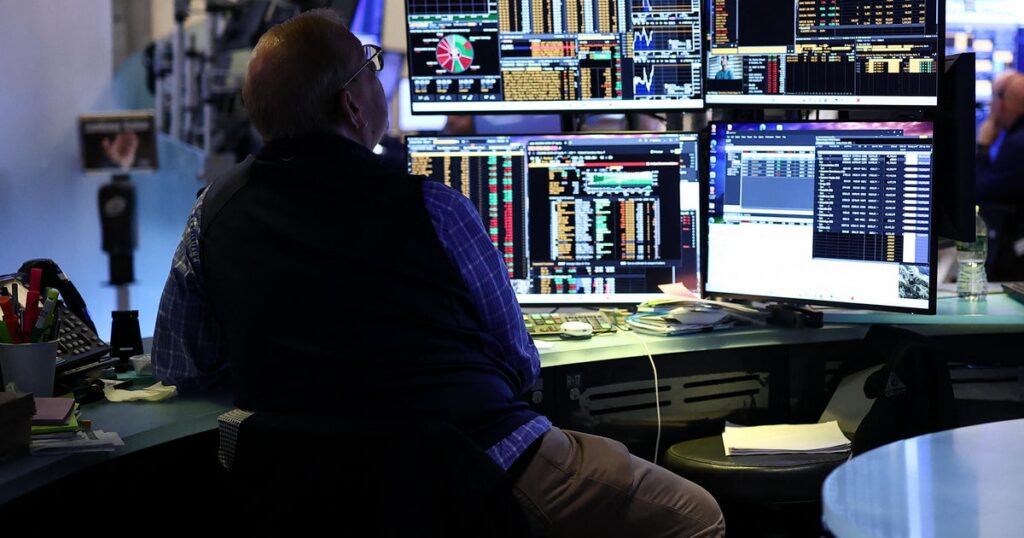
Financial markets are experiencing significant turbulence following a major sell-off, resulting in a $2 trillion loss in investor wealth and marking the largest single-day drop since 2020. This volatility is largely due to President Trump's announcement of a 10% baseline tariff on all U.S. trading partners, prompting investors to reassess their exposure to risky assets and leading to widespread market declines. The S&P 500 and Russell 2000 indices have suffered substantial losses, and the global nature of the sell-off highlights the interconnectedness of financial systems and the impact of policy decisions on international markets.

President Trump’s New Tariffs on 90 Countries Ignite Fears of Global Trade War, Triggering Market Turmoil

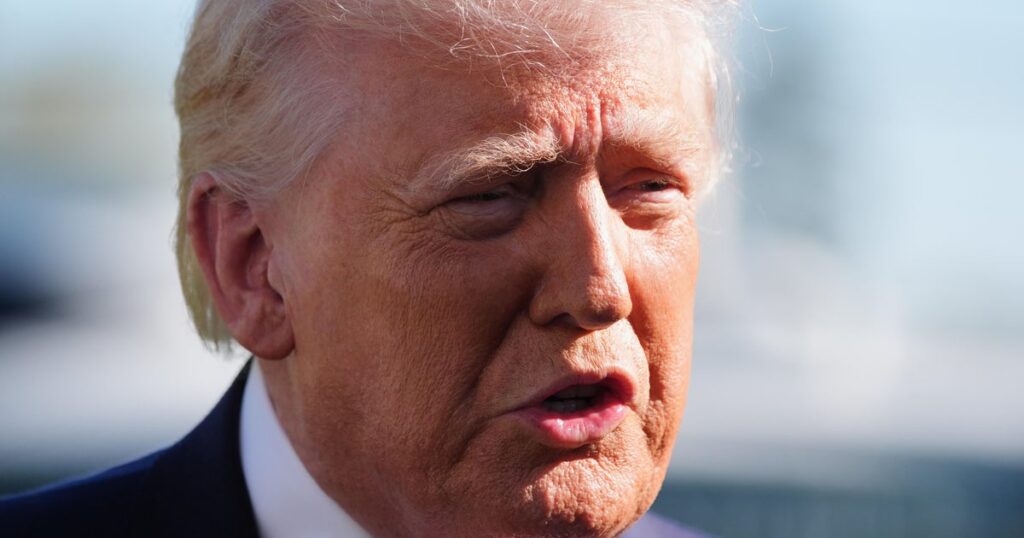
President Trump announced new tariffs on imports from around 90 countries, including a universal 10% tax and additional specific tariffs for certain nations, raising concerns about a global trade war. The tariffs have strained international relationships and contributed to economic uncertainty, particularly affecting countries like China with higher levies. Financial markets have reacted negatively, with significant declines in major indices such as the Russell 2000 and S&P 500, as investors and economists monitor the potential long-term impacts on global trade and economic stability.

China Imposes 34% Tariff on U.S. Imports in Escalating Trade War, Following Trump’s Reciprocal Measures

In a significant escalation of trade tensions, China has announced a 34% tariff on U.S. imports, effective April 10, following a similar move by the United States under President Donald Trump. The U.S. tariffs were introduced as a response to what the administration describes as unfair trade practices by China, including currency manipulation and existing trade barriers. This reciprocal imposition of tariffs has heightened concerns about global economic stability, as both nations play pivotal roles in international trade, highlighting the complexities of achieving balanced trade agreements.

Bipartisan Push in Congress Aims to Counteract Trump’s Tariffs Amid Growing Economic Concerns

Lawmakers from both major U.S. political parties are actively working to address President Donald Trump's recent tariffs, with many Republicans joining Democrats in opposition due to concerns about their impact on the economy and global trade relationships. Critics argue that the tariffs represent a significant shift toward protectionist policies, potentially undermining established trade systems and echoing economic practices from the late 19th and early 20th centuries. In response, Congress is considering legislative measures to limit the executive branch's authority over such policies, highlighting bipartisan concern over the long-term consequences for domestic and international economic stability.

Congress Moves to Curb Trump’s Tariff Powers Amid Bipartisan Concerns Over Economic Impact

President Donald Trump's aggressive new tariffs have led to bipartisan concern in Congress, with lawmakers from both parties seeking to limit his tariff powers due to potential economic impacts. The Senate, with a Republican majority, has already voted to overturn tariffs on Canada, and further measures like the proposed Trade Review Act of 2025 aim to establish checks on the president's trade authority. As Congress explores additional strategies to counteract Trump's tariffs, financial markets have reacted with caution, highlighting the uncertainty surrounding U.S. trade policy and the ongoing debate over the balance of power between the executive and legislative branches.

Stellantis Halts Production at Canadian and Mexican Plants Amid New U.S. Tariffs, Affecting Thousands of Workers

Stellantis has announced a temporary production halt at its assembly plants in Windsor, Canada, and Toluca, Mexico, in response to new 25% automotive tariffs imposed by U.S. President Donald Trump. The Windsor plant will pause operations for two weeks starting April 7, while the Toluca plant will halt production for the entire month of April, affecting thousands of workers. The decision aims to address the economic challenges posed by the tariffs while minimizing disruptions to the company's workforce and production capabilities.

U.S. Faces Surge in Federal Layoffs as Government Efficiency Efforts, Led by Elon Musk, Slash Workforce Amid Economic Recovery

In March, the United States saw a significant rise in announced layoffs, primarily due to federal workforce reductions led by the Department of Government Efficiency under Elon Musk, with approximately 280,253 layoffs announced over two months. This initiative aims to cut government spending and enhance operational efficiency, sparking debates about the balance between cost-cutting and maintaining essential services. As the nation continues to recover from the pandemic's economic impact, the long-term effects of these layoffs on public sector operations and employee morale remain uncertain.

Global Markets Plunge as Trump’s New Trade Tariffs Spark Fears of Recession and International Trade Disruption

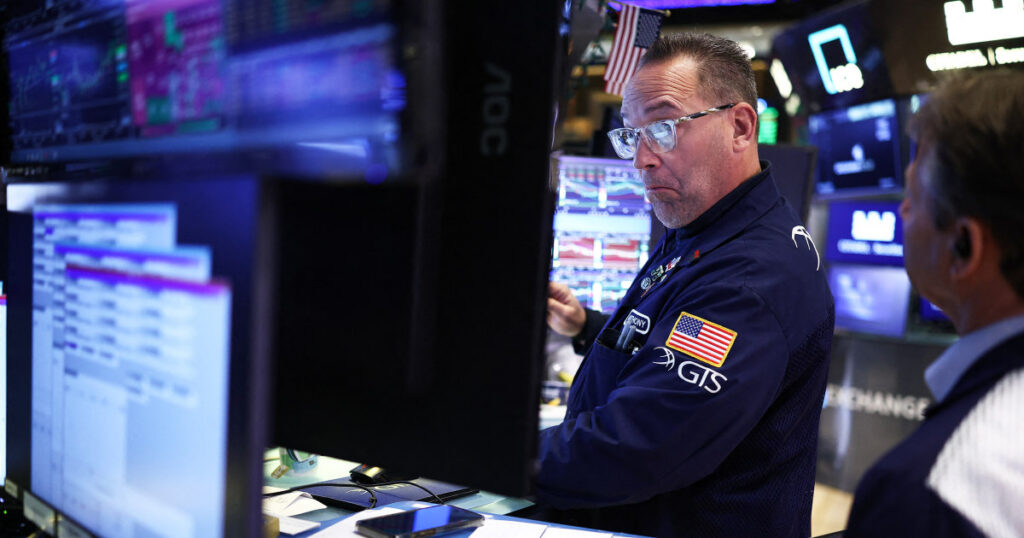
Global stock markets and oil prices fell sharply as investors sought safer assets following President Donald Trump's announcement of new U.S. trade tariffs, raising fears of a global recession. The tariffs, including a 10% baseline levy and additional reciprocal tariffs, particularly target Asian nations like China, which faces a 34% levy, prompting China to plan countermeasures. The tariffs have caused market fluctuations in Europe and sparked a global debate on the future of international trade, as approximately 90 countries will face additional taxes starting April 9.