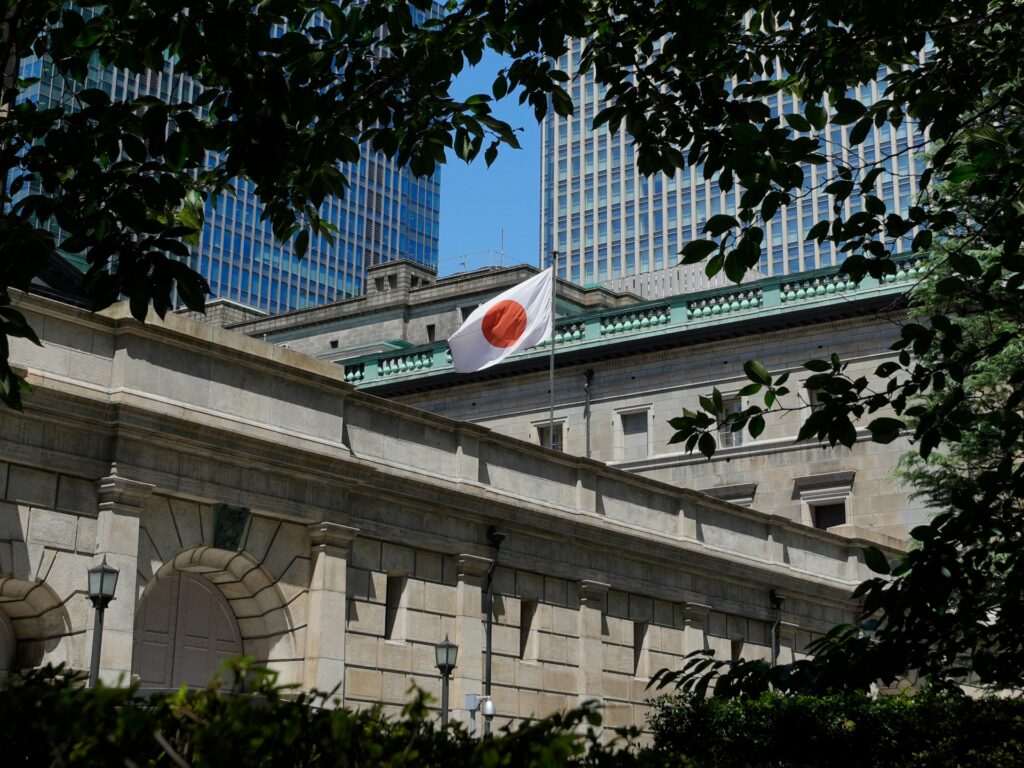
The Bank of Japan raised its benchmark rate to 1%, the highest since 1995, citing energy-driven price pressures and rising inflation expectations. The move continues Japan’s shift away from decades of ultra-low borrowing costs.
Posts published in “Financial”

Oil prices dropped after Trump announced an initial US-Iran deal to reopen the Strait of Hormuz, but shipping, insurance and mine-clearing hurdles could delay a return to normal. Analysts warn energy, fertiliser and consumer prices may remain under pressure for months.
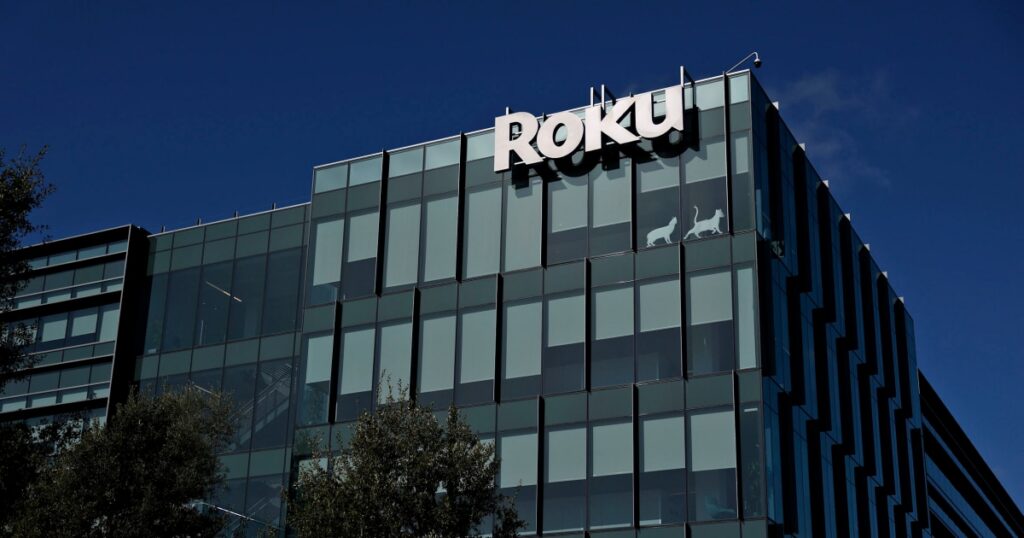
Fox Corp. said it plans to acquire Roku in a cash-and-stock deal that would expand its streaming and connected TV advertising business. Reports valued the transaction at $22 billion to $25 billion, and Fox said it expects the deal to close in the first half of 2027.

The Justice Department has approved Paramount Skydance’s roughly $110 billion acquisition of Warner Bros. Discovery, a major step toward combining two historic Hollywood studios. State regulators, entertainment workers and European Union officials continue to scrutinize the deal.
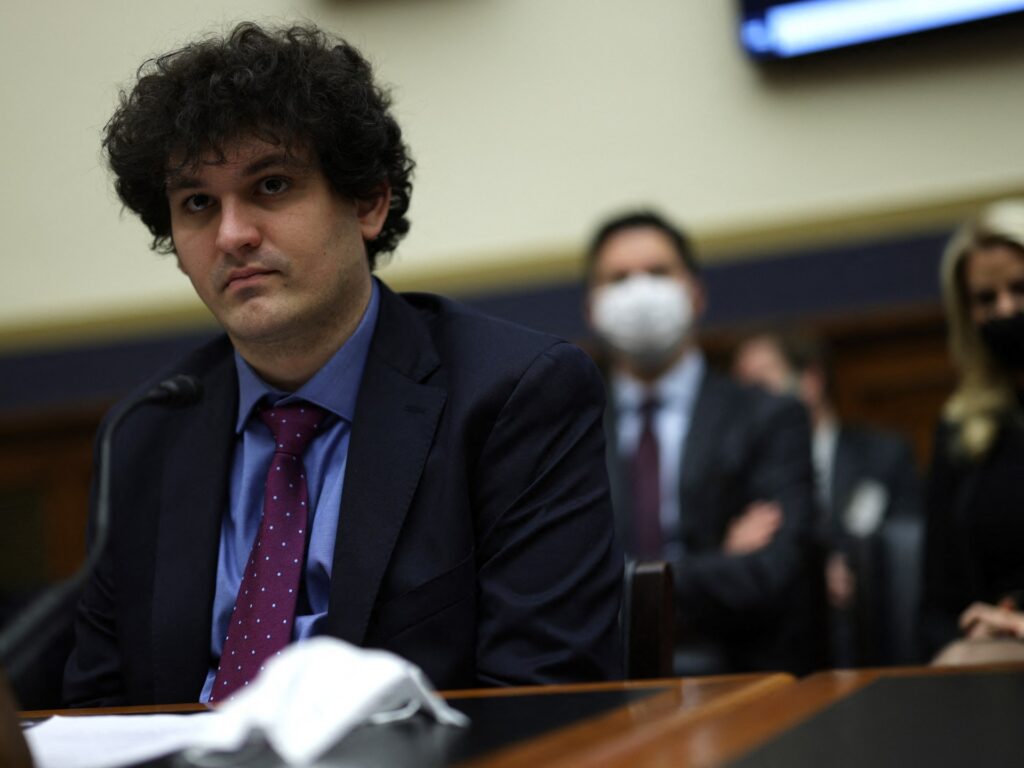
A federal appeals court rejected Sam Bankman-Fried’s effort to overturn his conviction and 25-year sentence over the collapse of FTX. The panel said prosecutors’ evidence was “robust” and upheld the case against the former crypto billionaire.
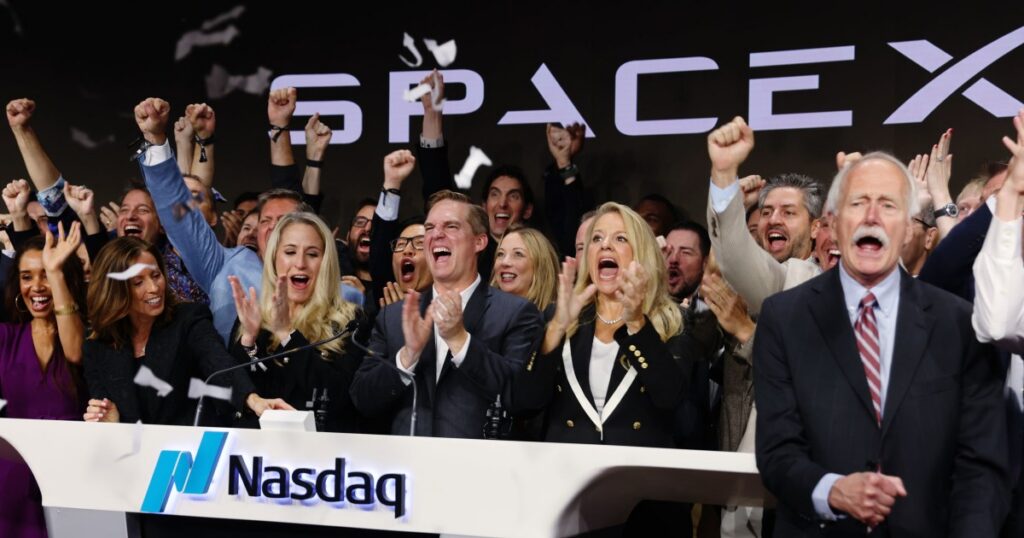
SpaceX raised $75 billion in the largest IPO ever, with shares jumping in their Nasdaq debut and valuing the company above $2 trillion. The listing pushed Elon Musk’s paper net worth past $1 trillion, though analysts questioned the company’s valuation.
SpaceX shares rose sharply in their Nasdaq debut after the company raised $75 billion in the largest IPO on record. The listing values Elon Musk’s company at about $1.77 trillion while analysts question its profitability and AI-driven valuation.

Trump said he canceled planned strikes on Iran and claimed an agreement to end the war was close, but Tehran said nothing had been finalized. The comments followed fresh U.S. and Iranian strikes and new international calls for de-escalation.