Key takeaways:
- Disposable barbecue sales have been temporarily banned in Great Britain, with retailers told to remove them from stores and online sale immediately.
- An emergency alert warned people across England and Wales not to use disposable barbecues, firepits, garden incinerators or fireworks amid a very high wildfire risk.
- The National Fire Chiefs Council said 1,017 wildfires have been recorded in England and Wales this year, matching last year’s record, according to the BBC.
The U.K. temporarily banned the sale of disposable barbecues and sent an emergency alert to millions of phones Friday as drought and extreme heat left England and Wales facing what officials called a “very high risk of wildfires.”
The alert warned residents, landowners and visitors not to do anything that could start a fire, including using disposable barbecues, firepits, garden incinerators or fireworks. “Even a small flame can rapidly develop into a major wildfire placing lives, homes, businesses and emergency responders at risk,” it said.
The government said retailers had been told to remove disposable barbecues from sale immediately, with the measure kept under review while the heightened risk continues. The BBC reported that the ban applies to England, Scotland and Wales, but not Northern Ireland, and covers in-store and online sales.
Business Secretary Jonathan Reynolds called the restrictions “common-sense steps to protect lives and the environment.” Government advice published by the Department for Business, Innovation, Science and Trade said disposable barbecues “cannot be considered a safe product” in current conditions and “must not be made available for sale either in store or online at the current time” in Great Britain, the BBC reported.
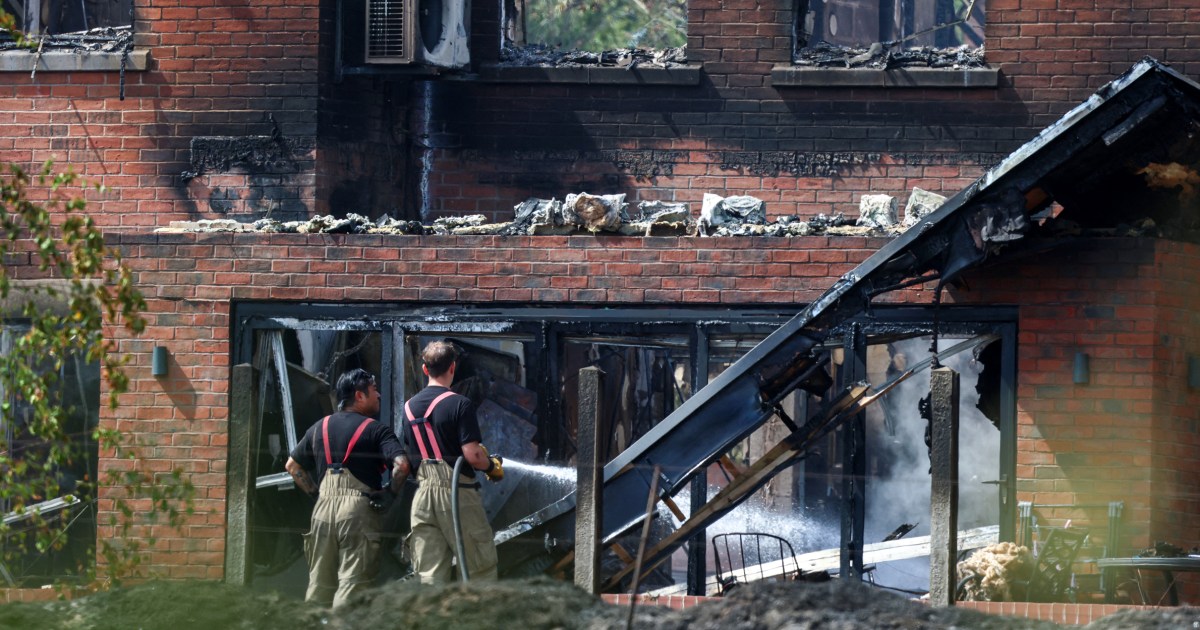
Prime Minister Andy Burnham, visiting Stourbridge in the West Midlands after a fire destroyed 19 homes, said the country was facing exceptional danger. “Britain is a tinderbox right now,” he said. “I’ve never seen scenes like this in Britain.”
Burnham told BBC Radio 5 Live there were “37 fires across England and Wales right now, four of them are major incidents.” He urged the public to avoid lighting fires outdoors. “We’re going into a difficult weekend, please just think about the situation that we’re in,” he said. “Setting a fire in any outdoor setting of any kind is a risk to other people’s homes, it’s a risk to other people’s lives, don’t do it, please don’t do it.”
The National Fire Chiefs Council said 1,017 wildfires have been recorded in England and Wales this year, according to data cited by the BBC, matching last year’s record. Phil Garrigan, chair of the council, told Reuters the number of wildfires this year had already surpassed all-time records and warned the season could stretch into November.
“We’re only in the middle of August, and the wildfire season seems to extend way into November at this moment in time,” Garrigan said. “So, we’re anticipating this being not just a record-breaking year, but a considerable increase on the number of wildfires previously experienced.”
Garrigan said 11 major incidents had been declared over the previous 24 hours and that demands for support had “probably outstripped the capability of the U.K. fire and rescue service.”
Burnham said he planned to commission firefighting planes, similar to those used in Europe and the United States, and said 100 military personnel had been deployed to help tackle a blaze in South Wales. He also said plans were being drawn up for emergency financial support for fire services.
In Stourbridge, Reuters reported that resident Paul Nash, whose garden was damaged, described trees “exploding” as the fire spread. “We just grabbed everything and left,” he said.
Fire crews were also responding to blazes in Wales, Hampshire and Norfolk. The BBC reported that a major incident was declared near Llandovery in Carmarthenshire, firefighters spent a sixth day tackling a wildfire in the New Forest, and Norfolk Fire and Rescue Service handled 16 emergencies Thursday afternoon.
The wildfire danger extends beyond Britain. In southern Spain, a blaze in Huelva prompted the evacuation of about 700 people Thursday. More than 2,000 people left the village of Gey in western Germany, while France evacuated 525 people from Luglon in the Landes region. Croatia and Greece also evacuated tourists, including 1,200 people around Omis on Croatia’s Dalmatian coast and more than 300 people by boat from Siviri in northern Greece.





Be First to Comment