Trump and Iranian President Masoud Pezeshkian signed a 60-day initial agreement to halt the war, reopen the Strait of Hormuz and begin talks on Iran’s nuclear program. The deal drew praise from G7 leaders and sharp criticism from U.S. lawmakers and Iranian hardliners.
Posts published in “Financial”
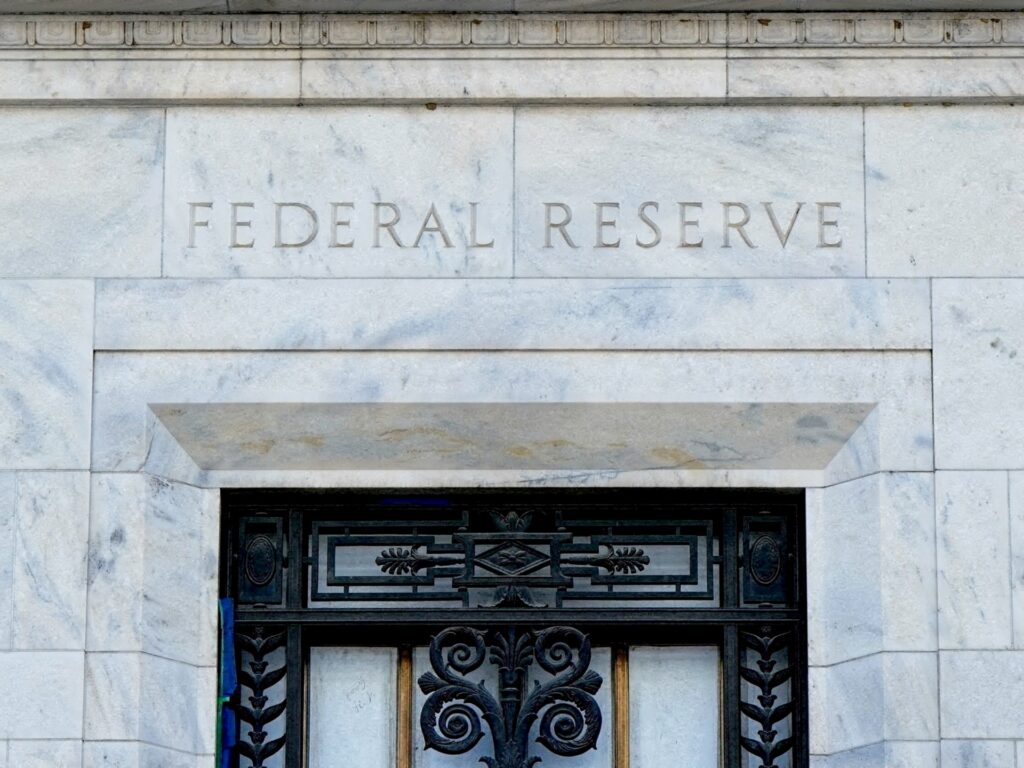
The Federal Reserve unanimously held interest rates at 3.5% to 3.75% in Kevin Warsh’s first meeting as chair. New projections showed inflation expectations rising and nearly half of policymakers open to a rate hike later this year.
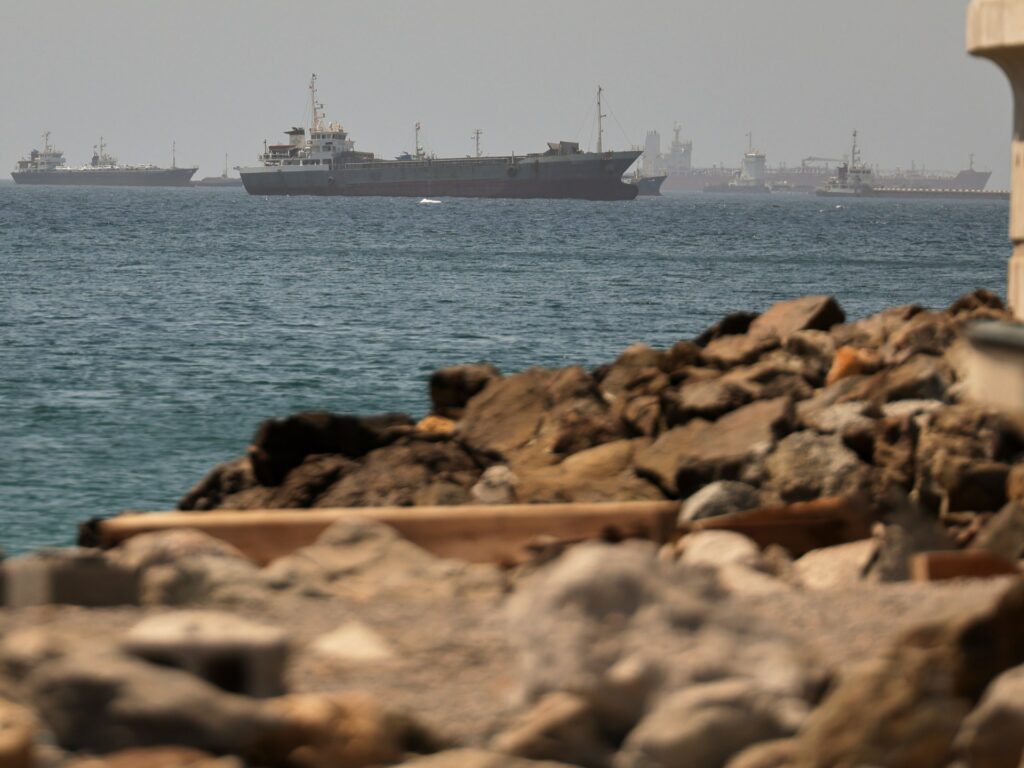
Brent crude fell to its lowest level since early March as markets anticipated a US-Iran framework agreement that could reopen the Strait of Hormuz. Shipping groups and analysts warned that restoring normal energy flows could still take weeks or months.
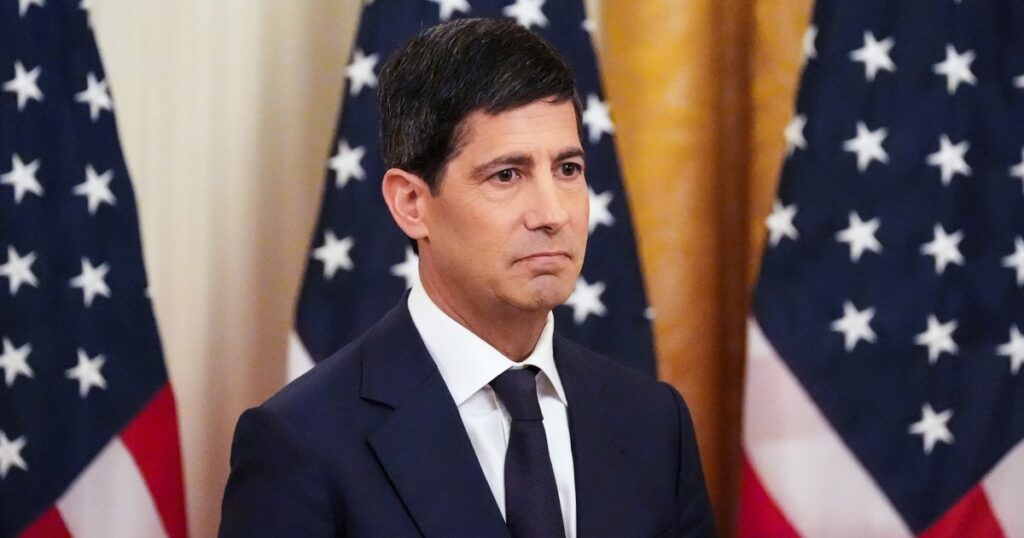
Kevin Warsh chairs his first Federal Reserve rate meeting as inflation rises and energy prices remain elevated after the U.S.-Iran conflict. Investors will watch the policy statement, news conference and dot plot for signs of the new chairman’s approach.

Iranian oil tankers have crossed a U.S. blockade line near the Strait of Hormuz ahead of planned U.S.-Iran talks in Switzerland. The emerging memorandum has triggered disputes over sanctions relief, Lebanon and the future of Iran’s nuclear program.
Yum! Brands will sell Pizza Hut in a $2.7 billion deal, with LongRange Capital buying most of the chain and Yum China acquiring the mainland China business. The sale follows declining sales, planned U.S. closures and growing competition from other pizza chains.

Trump has declared the Strait of Hormuz open and safe under a pending U.S.-Iran agreement, but shippers say they need proof that vessels can transit without danger. Ship-tracking data shows only limited movement as concerns persist over security, mines and possible fees.
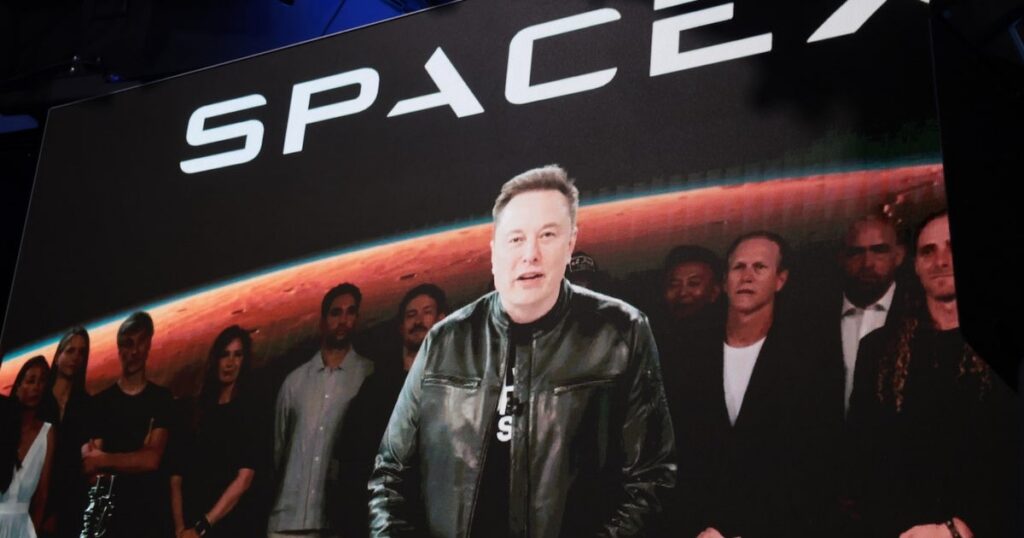
SpaceX has agreed to buy Anysphere, the maker of AI coding assistant Cursor, for $60 billion in stock after its major Nasdaq debut. The deal expands Elon Musk’s company further into AI as it seeks to strengthen xAI and Grok against rivals including OpenAI and Anthropic.