Key takeaways:
- The UK Health Security Agency estimated 5,258 heat-associated deaths in England in summer 2026, the highest annual figure since its reports began in 2016.
- An estimated 2,401 deaths were associated with the June 21–28 heat episode, when temperatures reached 38C.
- Seven heat episodes between May and August lasted a combined 41 days.
An estimated 5,258 people died in England during this summer’s heat, the highest annual toll since the UK Health Security Agency began publishing heat-mortality reports in 2016. The provisional figure was twice the previous high of 2,985 in 2022, the BBC reported.
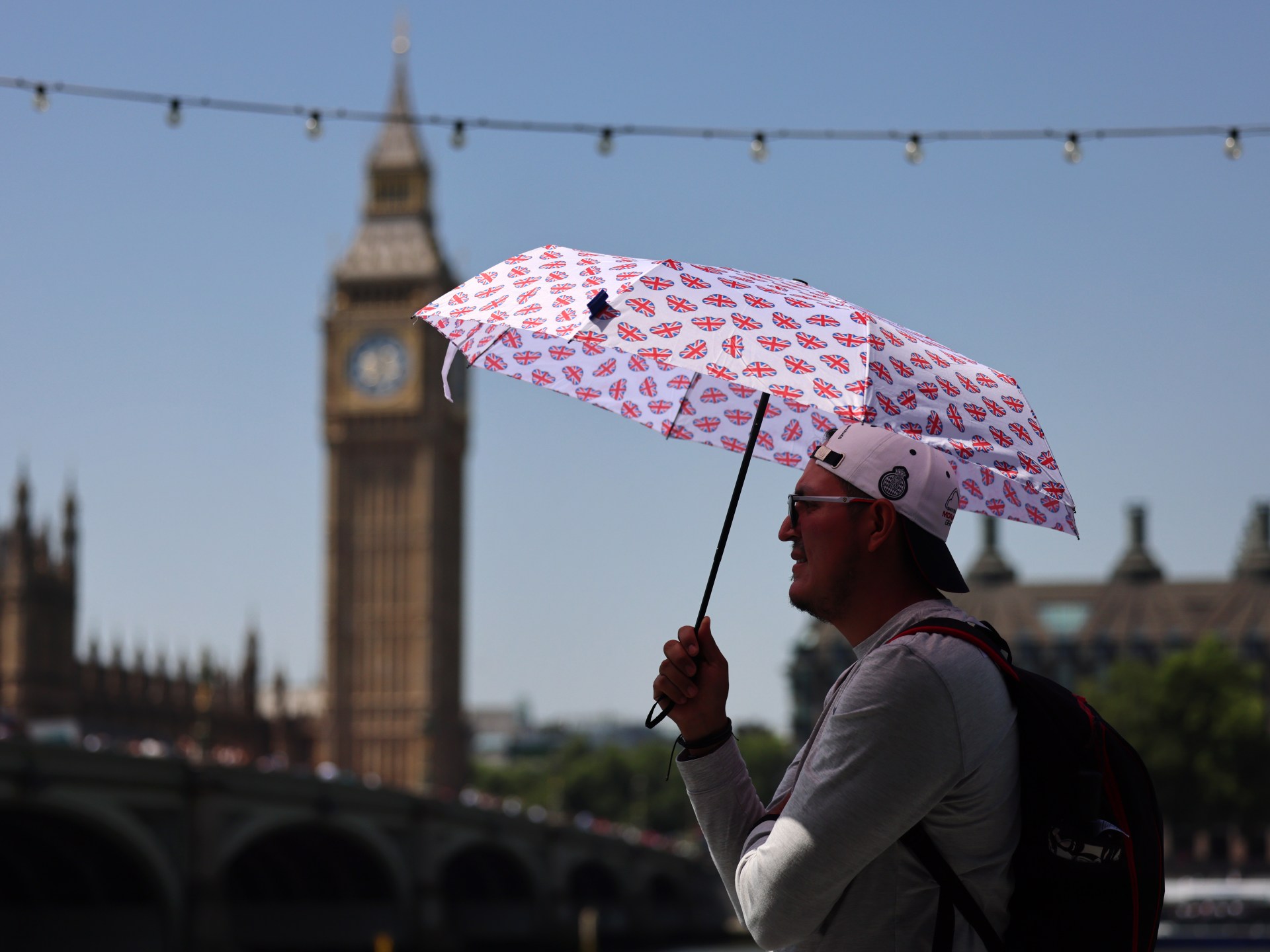
The deadliest stretch came between June 21 and 28, when the agency estimated 2,401 heat-associated deaths. Temperatures reached 38C during that period. The agency described summer 2026 as “exceptional,” following what provisional Met Office data showed was the UK’s hottest summer on record.
The heat was persistent as well as intense. According to the BBC, the agency recorded seven heat episodes between May and August, spanning 41 days in all — the most in a year since it began keeping the records. The agency defines a heat episode as a day when the average Central England Temperature is at least 20C.
Records fell in successive months. A May heatwave brought a high of 35.1C at Kew Gardens, beating the previous record for the month by more than 2C. In June, temperatures reached 38.0C in Lingwood, Norfolk, surpassing the previous June high of 35.6C, set in 1957 and equalled in 1976. Both heatwaves were caused by heat domes, stalled areas of high pressure that trap hot air, the BBC reported.
Another heatwave in mid-August pushed temperatures to 38.2C at Hartpury College in Gloucestershire, the highest reading of the year. It remained below the UK’s all-time record of 40.3C, set at Coningsby, Lincolnshire, on July 19, 2022. Low rainfall also led to drought declarations across all of Wales and more than two-thirds of England, while wildfires damaged parts of the country, according to the BBC.
Dr Ross Thompson, the agency’s principal environmental health scientist, said the hot weather had a substantial public-health impact, “particularly during the early heat episodes in May and June.” He warned that periods of extreme heat are expected to become “longer, more frequent and more intense” as the climate warms. The agency said the findings “underline the need for longer-term adaptation,” including changes to homes, neighbourhoods and health and care settings.
Speaking in Parliament, Health Secretary Yvette Cooper offered “the deepest condolences to all those who lost a loved one this summer.” She called the figures “a stark reminder of the human impact of climate change” and said she had asked the NHS to prepare for summer as seriously as it does for winter. Prime Minister Andy Burnham, speaking at the COP31 summit earlier this month, described the UK’s extreme weather as “not normal,” the BBC reported.
The toll extends beyond the UK. Al Jazeera reported that researchers from Imperial College London and the London School of Hygiene & Tropical Medicine estimated more than 50,000 heat-related deaths in urban areas across 30 European countries this summer, the highest figure recorded since 2000. Al Jazeera also reported that COP31 talks ended without an agreement after the European Union and others rejected a proposed final text that made no reference to fossil fuels.









Be First to Comment