Key takeaways:
- A judge released 169 pages of records, but the search warrant was not among them and much of the material remains redacted.
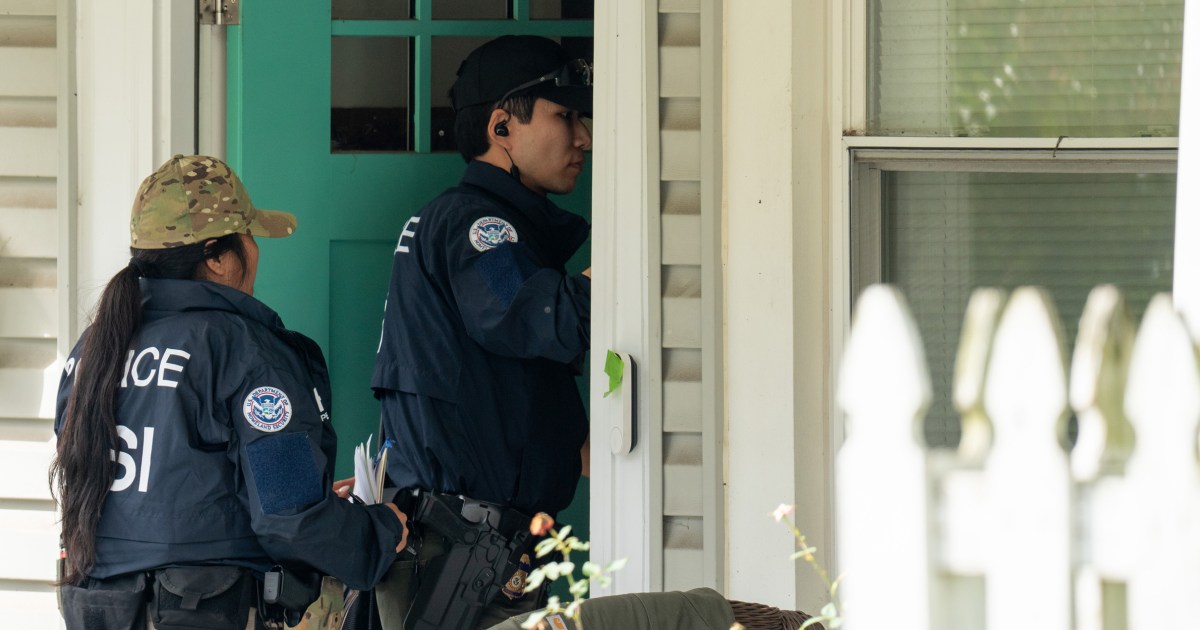
- Homeland Security Investigations agents searched Omar’s Washington home on Oct. 12 after a magistrate judge signed the warrant on Oct. 9.
- Government filings allege crimes spanning decades without identifying them publicly; Omar’s office says she has done nothing wrong.
A federal court has released 169 pages of heavily redacted records about the October search of Rep. Ilhan Omar’s Washington, D.C., home, revealing a dispute over how investigators could search a sitting lawmaker’s property while protecting her constitutional rights. The records do not include the search warrant, and the alleged crimes remain unidentified in the public filings.
Chief U.S. District Judge James E. Boasberg ordered some documents released Monday night after a coalition of news organizations sought access. He agreed with the Justice Department that most of the material should remain sealed, but made public exchanges concerning Omar’s protections under the Constitution’s speech or debate clause, which shields lawmakers from liability tied to legislative acts.
The released records show that federal officials applied for a warrant on Oct. 2. Magistrate Judge Matthew Sharbaugh sought repeated explanations of the government’s probable-cause argument, and the Justice Department said the process involved “several rounds” of revisions to its affidavit. Sharbaugh determined that the speech or debate clause was at least partly relevant because agents planned to search Omar’s home. The documents say investigators used “special search procedures,” but much of the detail remains redacted.
Sharbaugh signed the warrant on Oct. 9, and Homeland Security Investigations agents carried out the search on Oct. 12. The authorized categories of property included documents, photographs, storage drives, computers and cellphones registered to or used by Omar. The list of items taken is entirely redacted, according to NBC News. Omar previously said agents took 17 items, including old phones belonging to her and one of her daughters.
One filing described the records sought as evidence of unspecified violations “involving Ilhan Nur Said Elmi a/k/a Ilhan Abdullahi Omar, and occurring between 1980 to the present.” NBC News noted that Omar’s congressional biography gives her birth date as October 1982. A separate Oct. 16 government filing said, “The United States believes ILHAN has committed [REDACTED] crimes over decades—beginning long before she was ever in Congress.” It did not identify those alleged crimes. The filing also said the government’s case had nothing to do with her professional life.
People familiar with the investigation told NBC News it concerns potential immigration-related crimes. WCCO reported, citing its sources, that authorities are examining several immigration issues. Omar has not been publicly charged in connection with the search.
Three days before the search, a judge approved keeping the warrant sealed, citing concerns that disclosure could prompt flight, destruction of evidence, witness intimidation or serious harm to the investigation. U.S. Attorney Jeanine Pirro asked the court Monday not to release the files, saying they might be needed in a future trial.
Omar’s office did not immediately respond to requests for comment on the released records. In an Oct. 12 statement, it said she had “done nothing wrong” and called the search an “outrageous abuse of power” aimed at political enemies. President Donald Trump has denied involvement in the search.






Be First to Comment