Key takeaways:
- The stockpile contains about 9,700 pounds of lead azide in 68 barrels at the Iowa Army Ammunition Plant.
- Federal lawyers say an emergency exception allows the Army to proceed despite an appeals court pause on its EPA permit.
- Officials warn a controlled detonation could disperse lead particles; environmental groups dispute whether safer alternatives were adequately considered.
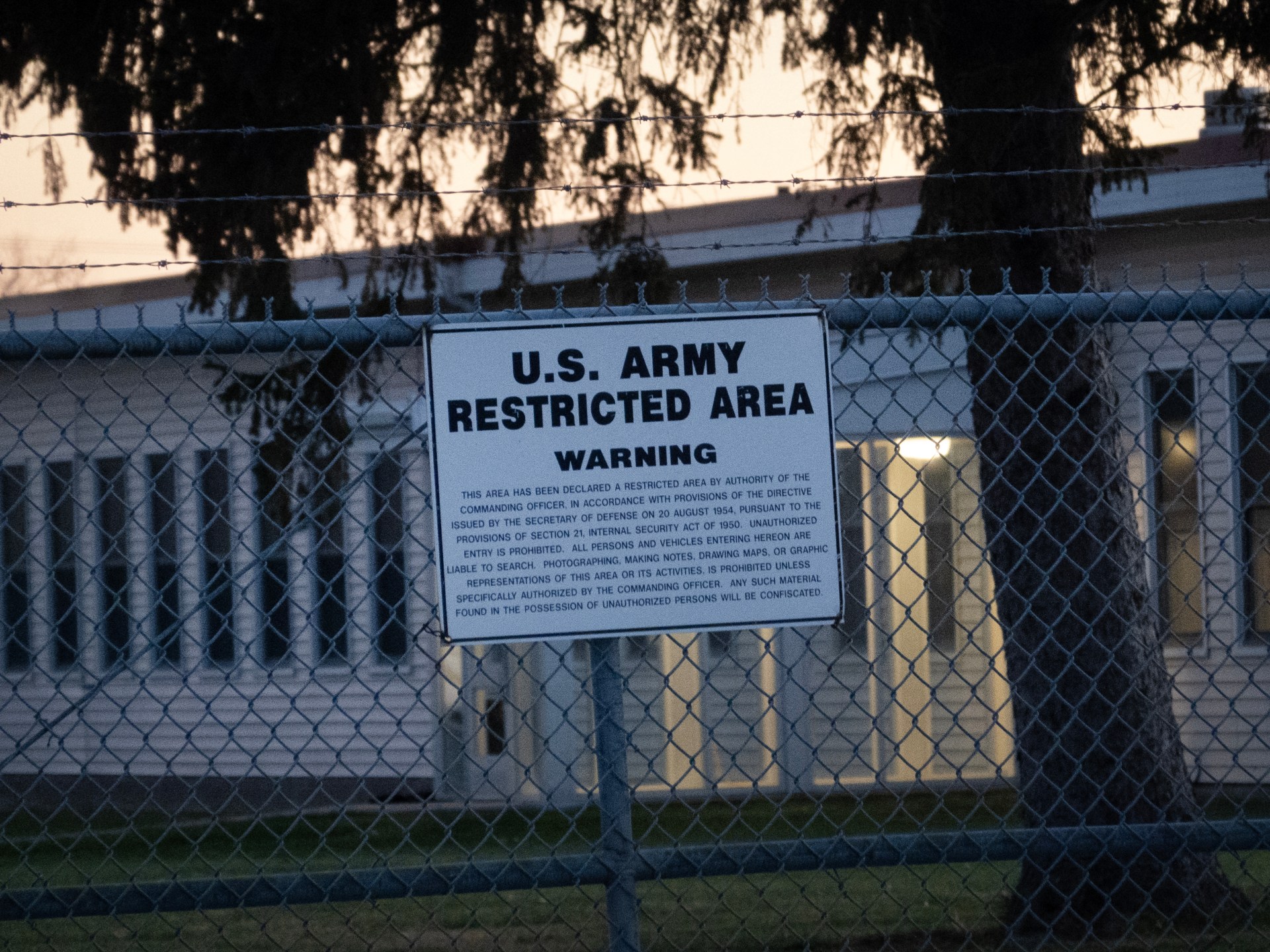
The U.S. Army plans to detonate more than four tonnes of unstable explosives at an Iowa ammunition plant despite a federal appeals court order pausing the permit for the operation. Government lawyers say colder weather raises the risk of an uncontrolled blast; environmental groups say the Army is trying to bypass judicial review.
The stockpile at the Iowa Army Ammunition Plant near Middletown contains about 9,700 pounds (4.4 tonnes) of lead azide in 68 barrels, according to Al Jazeera. The chemical is used in munitions. Army personnel discovered in March that liquid meant to keep it stable had evaporated and crystals had formed, leaving the material sensitive to movement and temperature changes.
The U.S. Environmental Protection Agency approved an emergency permit this month for a controlled detonation. Environmental groups, including the Iowa Environmental Council and Sierra Club, challenged it, arguing that officials had not adequately considered alternatives or informed nearby communities. The U.S. Court of Appeals for the Eighth Circuit then put the permit on hold.
In a subsequent court filing, Justice Department lawyers said the Army could proceed without the permit under an emergency exception for explosive materials posing an immediate threat. “To protect its personnel and the surrounding communities, the Army needs to take swift action,” they wrote, according to The Guardian. The lawyers said temperatures expected to fall below 30F (minus 1C) could increase the danger.
“The real choice, in other words, is not between a detonation and no detonation. It is between a planned and mitigated detonation and an unplanned and unmitigated explosion,” the government’s filing said, according to Al Jazeera.
The Iowa Department of Health and Human Services said two controlled explosions were scheduled for around noon Monday, Al Jazeera reported. The Guardian reported that the Army planned to detonate the material by Tuesday. The operation had already been delayed amid public concern.
Earthjustice attorney Thien Chau, whose organization represents groups challenging the permit, accused the Army of seeking to sidestep the court. “The Army seemed more concerned over the weekend with finding a way to sidestep the judicial process than on meeting the public’s demands for greater transparency, notice to affected communities, and far stronger protection of people, property, and the environment from serious harm,” Chau said in a statement carried by The Guardian.
The Army says it considered chemically neutralizing the material and moving it to an on-site detonation facility, but rejected those options because handling the barrels could trigger an accidental explosion, Al Jazeera reported. The environmental groups dispute whether alternatives received adequate consideration.
A planned blast would also carry risks. An advisory cited by The Guardian says it would release an air plume containing lead particles that could settle on the ground. Residents in areas that could be affected have been told to stay indoors, close windows and doors, bring animals inside and clean outdoor surfaces afterward. Al Jazeera reported that people near two Middletown parks were instructed to leave their homes for six hours because vibrations could damage windows.
University of Iowa professor David Cwiertny told Al Jazeera that field sampling after the detonation would be needed to determine how much lead had settled on soil and crops. “You cannot simply wipe down farm fields, gardens or topsoil,” he said.












Be First to Comment