Key takeaways:
- The Climate Impact Lab projects about 451,000 additional heat-related deaths during the first nine months of the current El Niño compared with a typical year.
- Nigeria is forecast to have the highest toll of any single country, with 31,400 additional deaths, according to figures reported by Al Jazeera.
- Researchers said measures such as heat warnings, cooling centers, hydration stations, worker protections and expanded health system capacity can help reduce preventable deaths.
An unusually powerful El Niño could cause about 451,000 additional heat-related deaths worldwide in the coming months, with poorer countries in the Global South facing the heaviest toll, according to a University of Chicago Climate Impact Lab report released Wednesday.
The projection compares expected heat-related deaths during the first nine months of the current El Niño with those in a typical year. Al Jazeera reported that the estimate runs to February 2027 and that researchers found global land temperatures could rise by about 1.2 degrees Celsius, or 2.1 degrees Fahrenheit, with extremely hot days occurring 44% more often than in an average year.
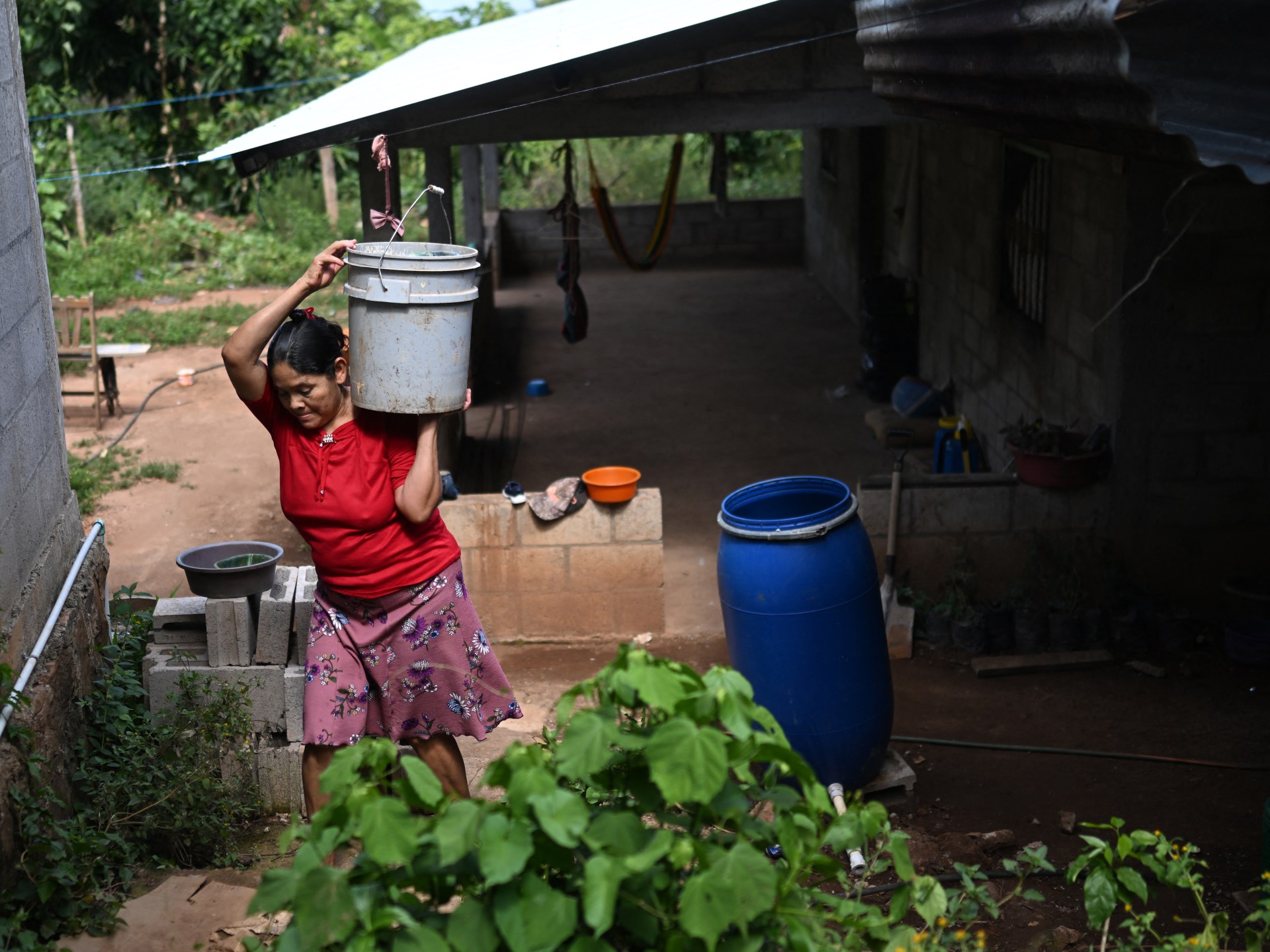
The danger is not evenly distributed. The report projects that developing nations and Africa’s Sahel region will be hit especially hard, including about 66,800 additional deaths across the Sahel. Nigeria is forecast to have the highest toll of any single country, with 31,400 additional deaths, followed by Indonesia with 19,300 and Sudan with 17,600, according to figures reported by Al Jazeera.
CBS News reported that Nigeria, Sudan, Niger and Chad are expected to record more than 65,000 heat-related deaths combined. In Southeast Asia, the Philippines, Vietnam, Thailand, Cambodia and Indonesia are expected to record close to 40,000 deaths collectively, CBS reported. Al Jazeera reported that the Philippines, Vietnam, Thailand and Cambodia are forecast to see a combined 19,400 extra deaths, with 15,800 projected in India and 13,300 in Brazil.
Michael Greenstone, a cofounder of the Climate Impact Lab and co-author of the study, said the scale of the projected toll should not obscure the people behind it.
“The projected global toll is such a large number that it can be numbing, but it is made up of parents and children, grandparents and neighbors, people going to work, caring for families, and living their lives,” Greenstone said in a statement cited by CBS News.
He told Al Jazeera that the findings show heat is most dangerous where temperatures are already high and incomes are relatively low. “If you’re already in a hot place, the extra couple of degrees are going to be much more dangerous,” he said. Wealthier areas, he added, tend to have better access to air conditioning, reliable water supplies and health care.
El Niño is a recurring climate pattern marked in part by warmer-than-average ocean temperatures in a section of the Pacific near the equator. It can influence extreme weather around the world, including heat, drought and flooding, with impacts varying by region. The Climate Impact Lab said the projected heat deaths come on top of expected effects from droughts, wildfires and flooding tied to hotter temperatures and shifting rainfall patterns.
The current El Niño began developing in June and is expected to rank among the strongest on record. The World Meteorological Organization has warned that the phenomenon could become the strongest ever, while Al Jazeera reported that the United Nations weather agency found a 100% likelihood it will continue through February 2027. CBS News reported that the U.S.-based Climate Prediction Center expects El Niño to remain in place through the Northern Hemisphere winter and possibly into spring.
Researchers and heat experts said the findings should guide emergency planning. Greenstone said the report “allows decisionmakers to see exactly where emergency actions can be taken to save tens of thousands of lives in the coming months.” The lab said heat warnings, health outreach for vulnerable people, cooling centers, hydration stations, worker protections and expanded health system capacity can reduce deaths.
Abhiyant Tiwari, a heat specialist at NRDC India, told The Associated Press that strong plans alone are not enough. “The real measure of our preparedness is not how many heat warnings we issue, but how effectively we protect people and reduce preventable deaths,” he said.









Be First to Comment