Key takeaways:
- Netanyahu’s bloc won 53 seats, Eisenkot’s bloc won 48, and neither reached the 61 needed for a majority.
- Ra’am and the Joint List won a combined 19 seats after record turnout among Palestinian citizens of Israel.
- The results await certification; President Isaac Herzog will then consult party leaders and choose a candidate to try to form a government.
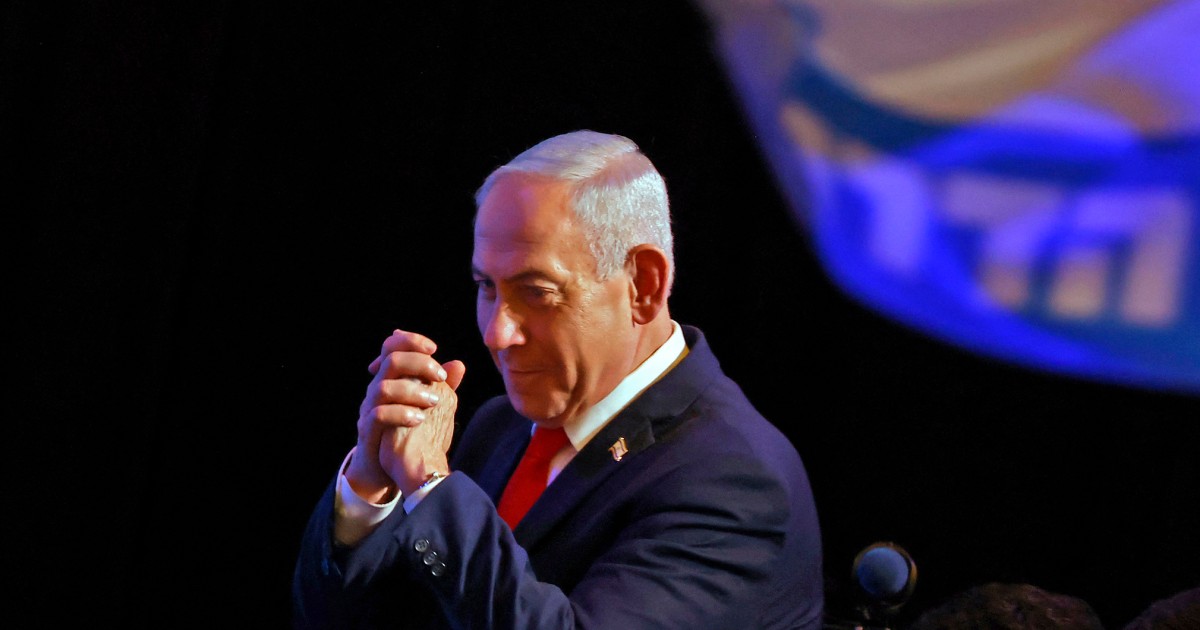
Israel’s election has left neither Prime Minister Benjamin Netanyahu nor his main rival with enough seats to form a government, while a surge in voting by Palestinian citizens has given Arab parties a potentially decisive place in parliament.
With all ballots counted, Netanyahu’s right-wing bloc holds 53 seats in the 120-member Knesset, and the bloc supporting rival Gadi Eisenkot holds 48. Each falls short of the 61 seats needed for a majority. The two main Arab parties, Ra’am and the Joint List, won a combined 19 seats after record turnout among Palestinian citizens of Israel.
Those results could give the Arab parties leverage over what happens next. But both leading blocs have ruled out forming a government with them, even though their seats would put an alliance with Eisenkot’s bloc over the majority threshold.
The count is complete, but the results must still be certified and submitted to President Isaac Herzog next Wednesday. Herzog will consult party leaders before choosing the candidate he believes has the best chance of forming a government. Netanyahu’s bloc previously controlled as many as 68 seats in parliament, NBC News reported.
Al Jazeera reported that an estimated 80 percent of eligible Palestinian voters cast ballots Tuesday. Palestinian citizens account for about 21 percent of Israel’s population, it said. Many voters hoped to oust Netanyahu and far-right coalition figures, including Finance Minister Bezalel Smotrich and National Security Minister Itamar Ben-Gvir, according to NBC News.
Ahead of the vote, Netanyahu and members of his coalition alleged foreign interference and referred Arab parties to Israel’s domestic security service, the Shin Bet, for investigation over allegations of Qatari intervention. Qatar denied the allegations. Mansour Abbas, who leads Ra’am, said his party had “no connection” to such conduct and urged a full investigation. He accused Netanyahu of a “campaign of incitement and delegitimization” against Arab citizens.
Dean Livne, acting director general of Israel’s Central Elections Committee, said in a published letter that there was “no basis for allegations of systematic violations of electoral integrity.”
The question of governing with Arab parties has also divided Netanyahu’s opponents. Eisenkot ruled out such an arrangement before the election. Al Jazeera reported that former prime ministers Naftali Bennett and Yair Lapid rejected sitting with the parties in government on election night, and that Yisrael Beytenu leader Avigdor Lieberman did the same Thursday. By contrast, Yair Golan, leader of the smaller left-wing Democrats party, called Wednesday for a government formed “in partnership” with Arab parties.
Orly Noy, who stood for the Palestinian-dominated Balad party, said she believed concerns about Gaza, crime and Ben-Gvir’s leadership of the police helped drive turnout. Mauricio Lapchik, a Joint List campaign director, criticized the refusal to count Arab parties as potential governing partners: “They want to form a government with only Jewish voices,” he told Al Jazeera.
Most Palestinian citizens of Israel descend from people who remained in the territory that became Israel during the 1948 war; hundreds of thousands of others fled or were expelled from their homes.






Be First to Comment