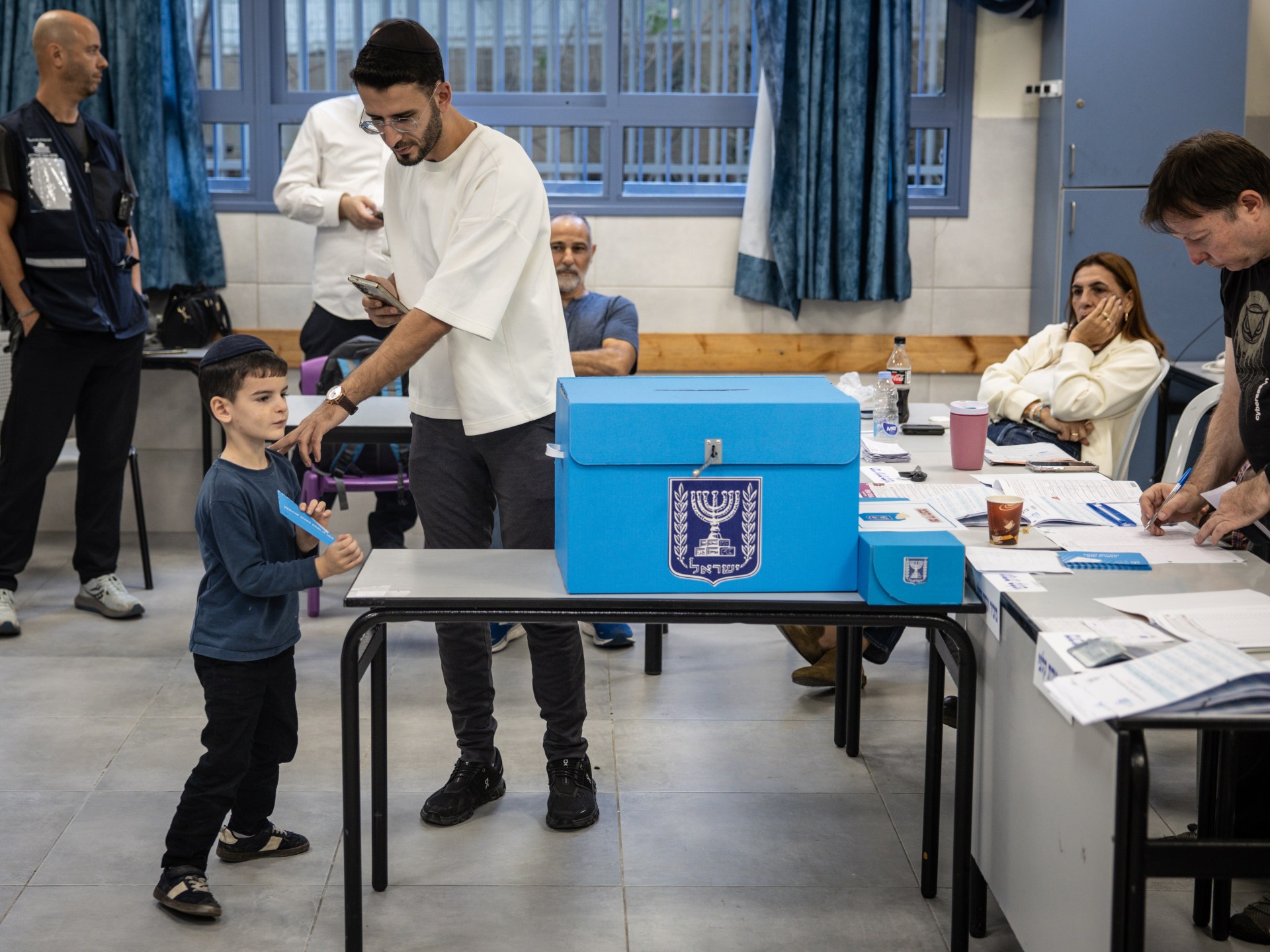
Key takeaways:
- Exit polls project 50 seats for Netanyahu’s bloc and 52 or 53 for Eisenkot’s; a majority requires 61.
- Arab parties are projected to win 18 seats collectively.
- Turnout reached 74.3% by 8 p.m., compared with 70.63% in the 2022 election.
Israeli exit polls show neither Prime Minister Benjamin Netanyahu nor his main rival, Gadi Eisenkot, with enough seats to govern after a closely fought election that drew unusually high voter turnout.
Netanyahu’s bloc is projected to win 50 seats, while parties aligned with Eisenkot are expected to take 52 or 53, according to exit polls reported by Al Jazeera. A majority requires 61 seats. Arab parties are projected to win 18 seats collectively.
The figures leave the makeup of the next government unsettled. NPR reported that if no bloc wins an outright majority, party leaders could spend days or weeks trying to assemble a governing coalition. Exit polls, based on interviews with people after they vote, have closely anticipated results in previous Israeli elections, according to Al Jazeera, but they are not the final count.
Voting ended at 10 p.m. local time Tuesday. Preliminary results are expected Wednesday, with a final tally expected Friday, Al Jazeera reported. The outlet said official results are due to be published November 4, eight days after the vote.
Turnout had reached 74.3% by 8 p.m., according to figures from Israel’s Central Elections Committee cited by Al Jazeera. Turnout in the 2022 election was 70.63%. Election officials said this year’s participation was on course to be the highest in nearly 40 years, NPR reported. The Central Elections Committee rejected a request from Netanyahu’s Likud Party to extend voting hours, according to Al Jazeera.
The election is Israel’s first parliamentary vote since the Hamas-led attacks of October 7, 2023, and the wars that followed in Gaza and elsewhere in the Middle East. Voters faced a choice between keeping Netanyahu’s far-right coalition and changing course. Eisenkot, a former military chief of staff, leads the Yashar party and is Netanyahu’s leading opposition rival.
For some voters, the stakes felt especially high. “Important is an underestimation, because it’s much more than important. It’s crucial,” voter Naama Aaronsohn told NPR. “I’m worried…. What’s going to become of our country if there’s not a major change?”
Netanyahu posted repeatedly during the day about the number of Arab citizens voting and urged his right-wing supporters to cast ballots, NPR reported. “This government it’s not good for us and… not good for anyone,” Nur Abu Na, a 30-year-old Arab voter, told NPR.
President Donald Trump publicly endorsed Netanyahu, according to NPR. The outlet also reported that the two leaders planned major attacks against Iran after the Israeli and U.S. midterm elections, following joint wars against Iran in June 2025 and February 2026.






Be First to Comment