Key takeaways:
- Israelis vote Tuesday in their first nationwide election since the Oct. 7, 2023, attacks, which killed 1,195 people and saw 251 taken hostage, according to NBC News.
- A Wala poll cited by NBC News projected 23 seats for Eisenkot’s Yashar, 19 for Netanyahu’s Likud and 14 for Together.
- Exit polls are due Tuesday night and official results are scheduled for Nov. 4; forming a governing coalition could take weeks or months.
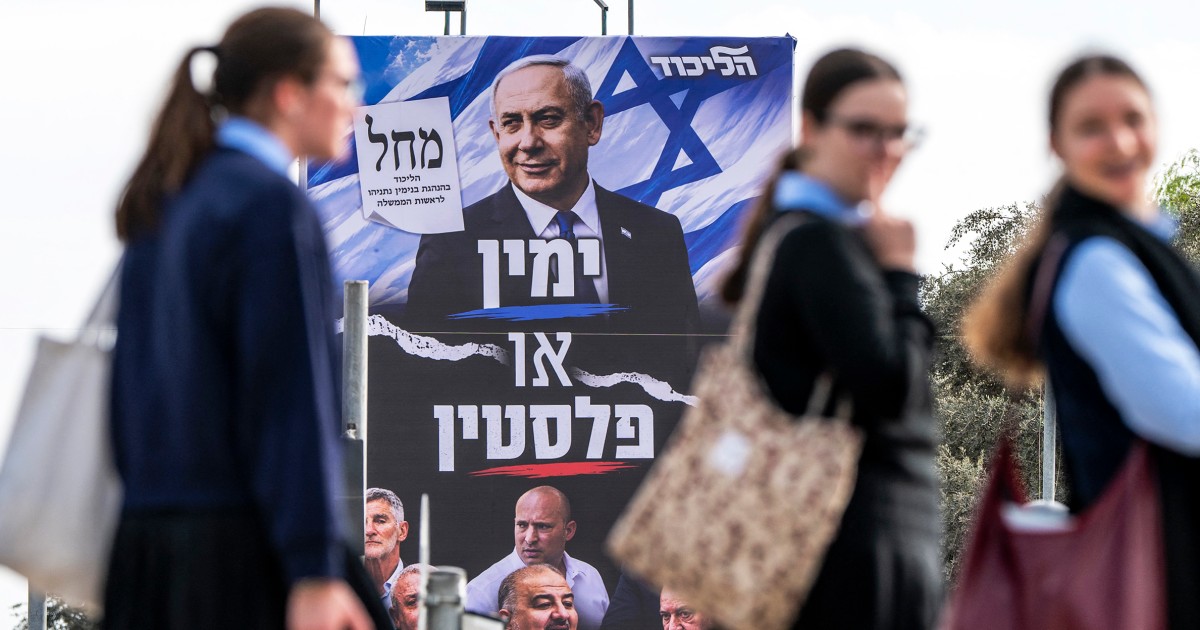
Israeli voters choose a new parliament Tuesday in their first nationwide election since the Hamas-led attacks of Oct. 7, 2023. Prime Minister Benjamin Netanyahu’s Likud party faces a strong challenge from Yashar, led by former military chief Gadi Eisenkot, but the next prime minister will be determined by the parties’ ability to build a governing coalition.
The election has become a test of Netanyahu’s leadership after nearly three years of conflict. Opponents accuse him of failing to prevent the attacks and oppose his refusal to back an independent inquiry. Netanyahu has defended his record, pointing to Israel’s military campaigns since 2023 as evidence of his leadership on security.
The Oct. 7 attacks killed 1,195 people and saw 251 taken into Gaza as hostages, according to NBC News. About 74,500 people have been killed in Gaza since then, according to Palestinian health ministry figures cited by NBC News. The BBC reported more than 74,000 deaths, citing figures from the Hamas-run health ministry that it said the United Nations considers reliable.
“This is the first chance Israelis will have to vote in what is becoming a referendum on what Netanyahu has come to represent following Oct. 7,” political analyst Dahlia Sheindlin told NBC News. She said supporters see him as a strong leader who fought back, while opponents blame him for the failure to detect or prevent the attacks and say he has refused to take responsibility.
Eisenkot, a former Israel Defense Forces chief of staff, served in Netanyahu’s war cabinet before resigning in 2024 over the handling of the conflict, according to the BBC. Eisenkot’s son, a soldier, was killed early in the Gaza war. Eisenkot has called for an inquiry into Oct. 7 and pledged to end Hamas rule in Gaza within 18 months, through a U.S.-led peace plan or military means if necessary, the BBC reported.
Security is not the only issue before voters. They are also weighing food and housing costs, military-service exemptions for ultra-Orthodox Jewish men and Netanyahu’s government’s proposed judicial changes. Critics say those changes would undermine judicial independence. Palestinian citizens of Israel, who make up about one-fifth of the population, are also confronting a rise in deadly organized crime in their communities, NBC News reported.
Netanyahu is seeking another term while facing domestic charges of fraud, breach of trust and bribery, which he rejects as politically motivated. He also faces an International Criminal Court arrest warrant on war crimes and crimes against humanity charges and has rejected genocide allegations made by a United Nations commission, according to NBC News.
Under Israel’s proportional-representation system, voters cast ballots for parties, not directly for a prime minister. A governing coalition needs at least 61 of the Knesset’s 120 seats. A Wala poll cited by NBC News projected 23 seats for Eisenkot’s Yashar, 19 for Netanyahu’s Likud and 14 for the party Together. The BBC reported that Friday’s polling gave neither leader’s bloc a majority.
NBC News reported that 7,331,981 Israeli citizens are eligible to vote. Polls close at 10 p.m. local time, when broadcasters will release exit polls. Preliminary results are expected Wednesday, with official results scheduled for Nov. 4. Coalition talks could take weeks or months; if no government can be formed, another election could follow.






Be First to Comment