Key takeaways:
- Vucic projected 135 to 140 seats for the Students’ List and around 105 for his Serbian Progressive Party.
- The student-led movement grew from protests after a 2024 train station canopy collapse in Novi Sad killed 16 people.
- Preliminary election commission figures indicated record-high turnout, while independent monitors reported voting irregularities.
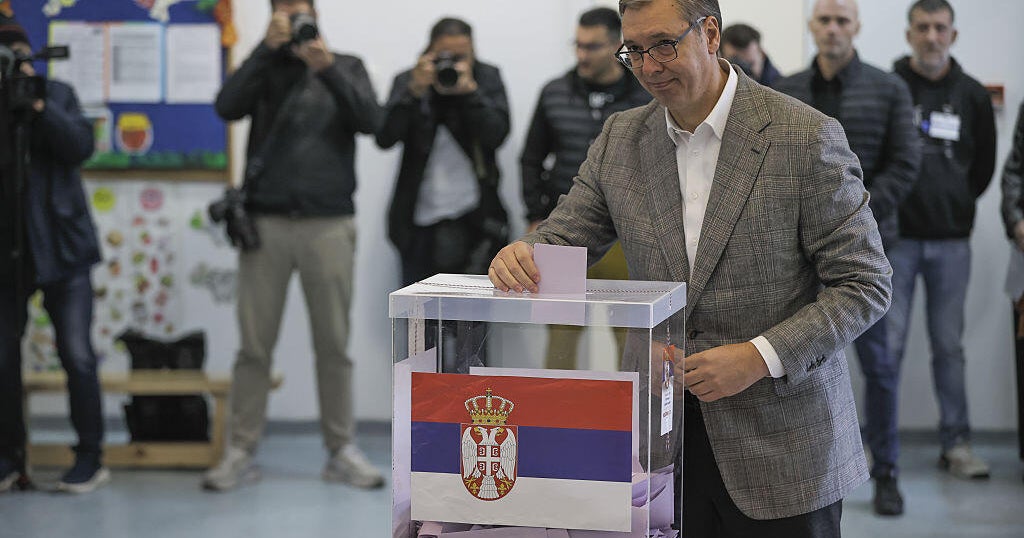
Serbia’s long-serving leader Aleksandar Vucic conceded defeat Sunday in a snap parliamentary election, saying a student-backed movement had beaten his Serbian Progressive Party after two years of protests against his government.
“We still do not have final results… it is clear that we have lost these elections,” Vucic said at his party’s headquarters in Belgrade, according to the BBC. “The Students’ List has won,” he told supporters, CBS News reported.
Vucic said his party projected that the Students’ List would win between 135 and 140 seats in Serbia’s 250-member parliament, compared with around 105 for his party, known as SNS, according to CBS News. He put the Students’ List vote at around 2.2 million and the SNS vote at around 1.7 million. Final results were not yet available when he conceded.
Supporters celebrated in Belgrade after the announcement. Crowds danced and chanted as cars honked and fireworks went off, the BBC reported. CBS News said celebrations also spread to other cities, where some people chanted, “Aleksandar is gone.”
The election followed protests sparked by the collapse of a concrete canopy at a train station in Novi Sad in 2024, which killed 16 people. Protesters blamed corruption and negligence. The student-led movement went on to build support across Serbia, accusing the government of corruption and of undermining democracy.
Although university students shaped the Students’ List, none appeared among its candidates. Instead, the list included experts, athletes, farmers and artists, CBS News reported. Its campaign focused on rebuilding the economy and restoring democracy. Students cycled and walked through rural areas to reach voters, including communities that had traditionally supported Vucic.
Vucic had resigned the presidency last month to campaign for prime minister after serving nearly two full presidential terms, according to CBS News. His party had been in power for 14 years. He blamed independent Serbian media, unnamed European countries and what he called an “American deep state” for his defeat, CBS News reported.
Preliminary figures from Serbia’s election commission indicated record-high turnout, according to the BBC. CBS News reported that monitors expected turnout could reach about 70%, a level not seen since 2000.
The vote took place amid concerns about election conduct. Independent monitors reported dozens of irregularities Sunday, including photographed ballots that suggested pressure on voters and attempted vote buying, CBS News reported. The outlet said local and international monitors had also raised concerns about detentions, government control of the media, and reports of surveillance and cyberattacks against activists during the campaign. Police in riot gear cordoned off an area near election commission headquarters in central Belgrade as voting-day tensions rose.


Be First to Comment