Key takeaways:
- Burnham says any return to EU free movement would require a general-election mandate, despite Labour’s 2024 manifesto ruling it out.
- Rayner says Britain should examine the trade-offs; Conservative and Reform UK figures oppose restoring free movement.
- Burnham is expected to discuss a reset of UK-EU relations at a Brussels summit on November 20.
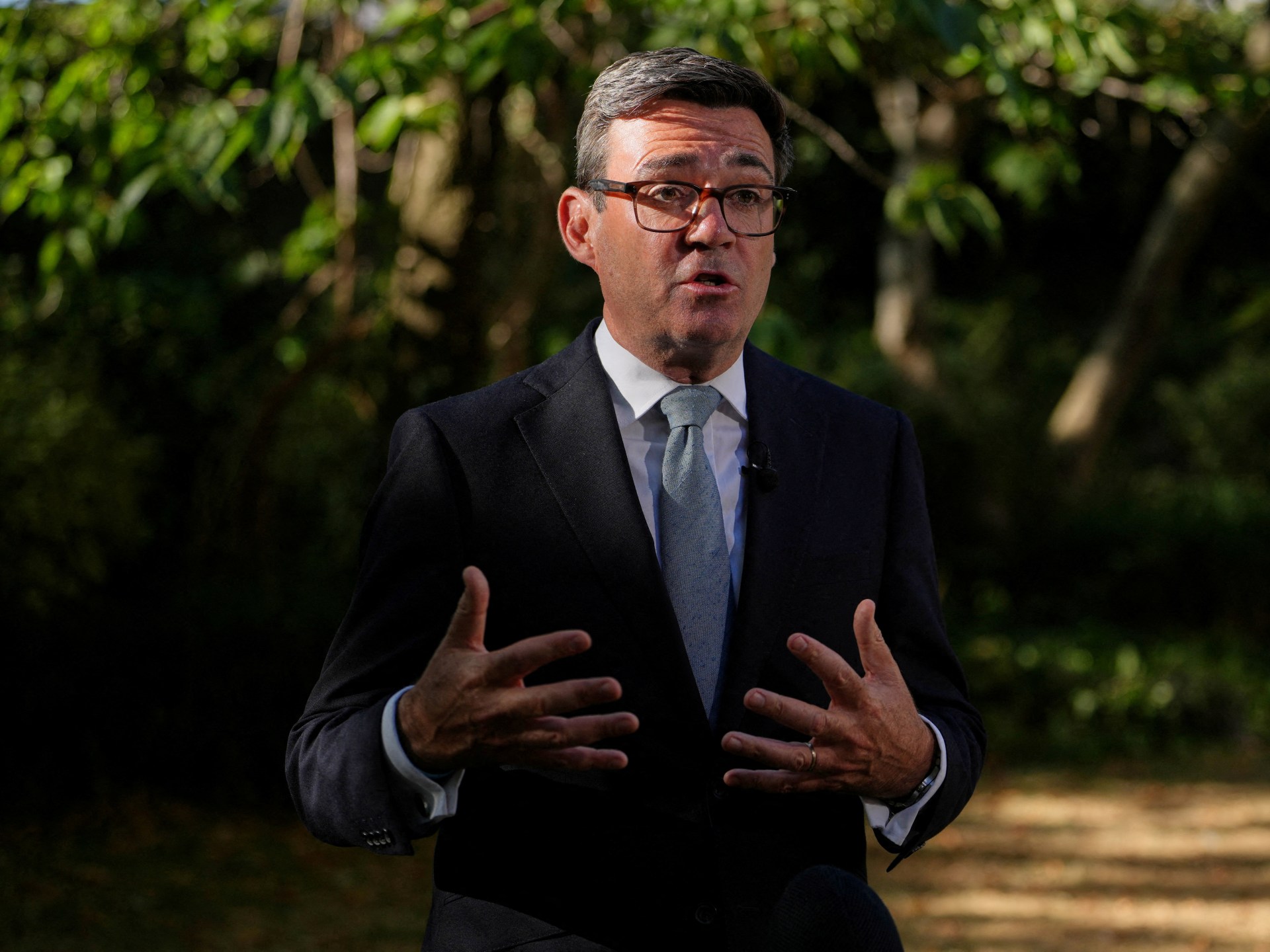
Prime Minister Andy Burnham says Britain should have an “honest discussion” about restoring free movement with the European Union, putting one of the most contentious issues of the Brexit referendum back into political debate ahead of a summit with EU leaders.
Burnham told The Sunday Times that a new relationship with Brussels could involve rejoining the EU or its single market, either of which would require accepting free movement. He said any such change would need a mandate at a general election, which is due by 2029. Labour’s 2024 election manifesto ruled out returning to free movement, the single market or a customs union.
“I think you have to have a very factual, quite evidence-based debate about this,” Burnham said. He argued that migration from the EU before Brexit was different from migration today: “Revolving door migration where people would come and then go back is different. The balance of migration has changed, hasn’t it, since then? I think we’ve just got to have an honest discussion about those things.”
Burnham also said he could not see himself recommending that Britain join the euro or the Schengen passport-free travel area. He urged a broader examination of ties with the EU, including migration data sharing. “Consider what we’ve lost, which was the ability to be part of Eurodac and all the data collaboration around migration,” he told The Sunday Times, according to Al Jazeera.
Angela Rayner told the BBC that “you can’t take anything off the table” when seeking the best deal for Britain. She said that could involve concessions and called for an open account of the trade-offs before putting proposals to voters at a general election.
Opponents rejected the idea. Conservative leader Kemi Badenoch said Burnham “hasn’t thought this through” and argued that many Brexit voters opposed free movement because of immigration’s impact on communities. Reform UK leader Nigel Farage called the comments a “total betrayal of Brexit Britain,” according to Al Jazeera. The party’s economy spokesperson, Robert Jenrick, told the BBC the proposal was “completely mad” and said Britain did not need more immigration.
Former Conservative chancellor Jeremy Hunt, who supported remaining in the EU, warned that reopening the Brexit debate would be divisive. He said Britain should make its existing deal work and prioritise jobs for young people already in the country. Liberal Democrat deputy leader Daisy Cooper took the opposite view, telling the BBC that free movement would be “a really good thing for growth” and calling for Britain to rejoin the single market and customs union.
Migration was a central issue in the 2016 referendum. Long-term net migration to the UK fell to 171,000 in 2025 from 331,000 the previous year, according to Office for National Statistics figures cited by Al Jazeera. Burnham is expected to present options for resetting relations with the EU at a Brussels summit on November 20.




Be First to Comment