Key takeaways:
- Lula won more than 51% of the runoff vote, while Flávio Bolsonaro received more than 48%.
- A court-ordered two-hour voting extension came too late for some polling stations whose electronic machines had already been deactivated.
- Bolsonaro’s Liberal Party made the largest gains in the congressional election, according to the BBC.
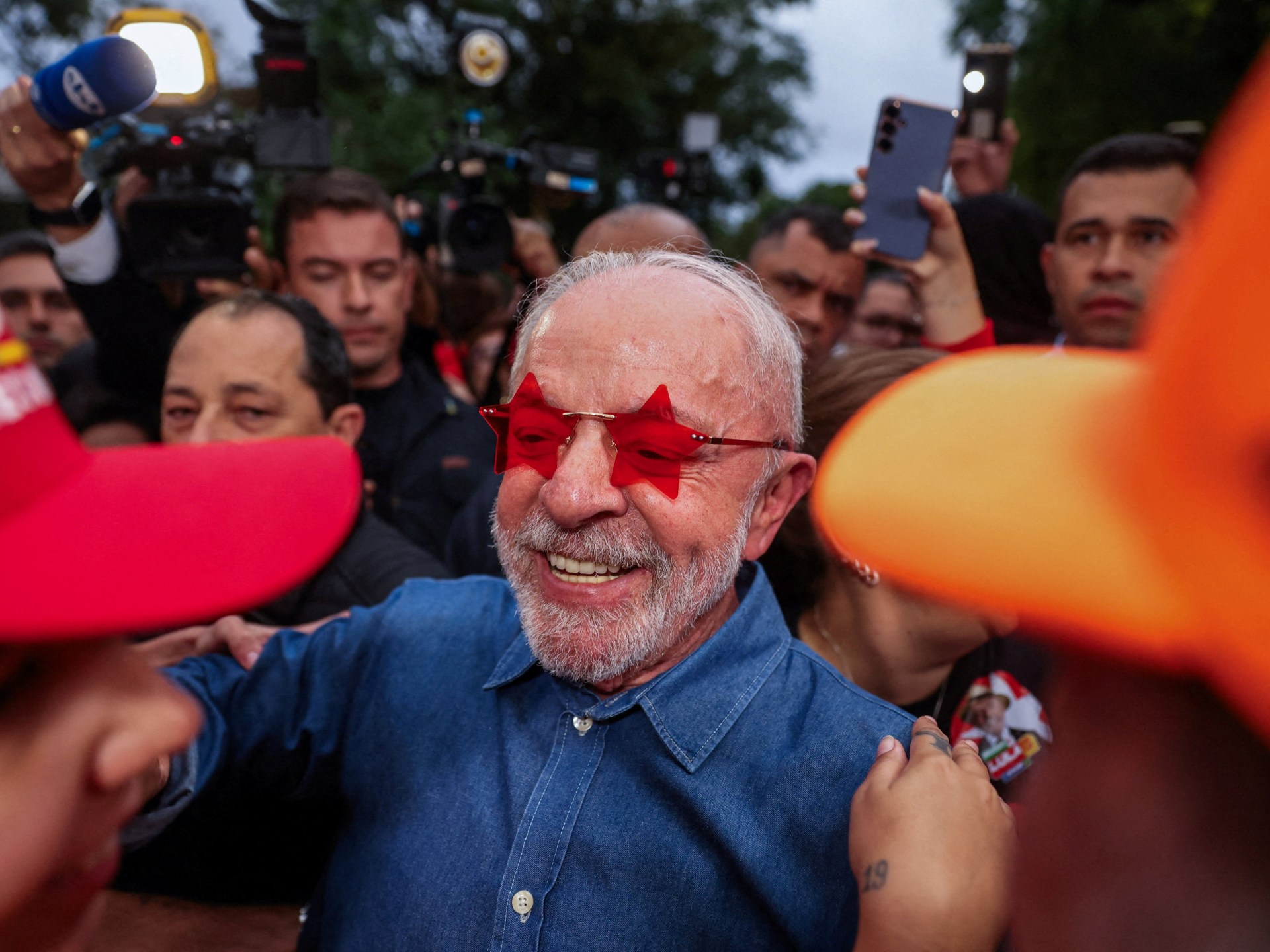
President Luiz Inácio Lula da Silva won a fourth term in Brazil’s presidential election Sunday, defeating right-wing Senator Flávio Bolsonaro after trailing him in the first round of voting three weeks earlier. The close result leaves Lula facing a divided electorate and a Congress in which Bolsonaro’s party made substantial gains.
With more than 96% of votes counted, Lula had won more than 51%, against more than 48% for Bolsonaro, according to official results reported by NPR. Al Jazeera reported that Lula had received more than 64 million votes and Bolsonaro more than 59 million, with over 4 million votes separating them while counting continued.
Lula, 80, is due to begin his new term on January 5, 2027. He previously served two consecutive terms beginning in 2003 and returned to office in January 2023. Bolsonaro, 45, is the son of former President Jair Bolsonaro, who is serving a 27-year prison sentence for plotting a coup after losing the 2022 election to Lula. Flávio Bolsonaro had promised to pardon his father.
The younger Bolsonaro finished ahead in the October 4 first round. According to Al Jazeera, he received 47% of the vote to Lula’s 45%, leaving both short of the majority needed to win outright. Lula’s campaign then intensified its street rallies and social media efforts. His message emphasized continuity and social spending, while Bolsonaro promised closer ties with Washington.
Voting on Sunday was disrupted by transportation problems and heavy rain. Lula’s campaign sought longer voting hours after some local governments reduced bus service, making it harder for voters to reach polling stations. Bolsonaro’s campaign also requested an extension, citing rain in some states. Supreme Court Justice Cristiano Zanin ordered polls to remain open for two hours beyond their usual 5 p.m. closing time, but NPR reported that the order reached some polling stations after electronic voting machines had been deactivated.
At a Rio de Janeiro polling station, accountant Manuela Tunas said she was unable to vote after a delayed flight brought her there shortly after 6 p.m. “This is absurd,” she told NPR. “If some people can vote, and others can’t, it’s unfair.” Al Jazeera reported that Lula’s allies accused Bolsonaro supporters of reducing bus availability to suppress votes; the allegation was not established in the accounts provided.
Lula now faces the task of governing a country in which more than 48% of voters backed his opponent. The BBC reported that Bolsonaro’s Liberal Party made the largest gains in the election and that the incoming Congress will be the most right-wing of Brazil’s democratic era.
Before the vote, Lula promised “a new way of governing” and said he would “remain firm in the fight for a more just country, with opportunities for all and policies directed at the needs of the population.” Political scientist Jairo Nicolau told NPR that voters’ sense of political belonging had become more important than their views of individual policies.
The result also carries implications beyond Brazil. Bolsonaro had pledged closer alignment with U.S. President Donald Trump, while Lula warned against U.S. interference, saying Brazil would “never fit into anyone’s backyard,” according to the BBC. The BBC also reported that environmentalists had feared a Bolsonaro victory would give greater influence to agribusiness and mining interests in decisions affecting the Amazon rainforest.



Be First to Comment