Key takeaways:
- Netanyahu’s bloc won 53 seats, Eisenkot’s bloc 48 and two Arab party lists 19; a majority requires 61.
- Eisenkot met Bennett and Golan to discuss forming a government, while Golan also met Ra’am leader Mansour Abbas.
- Shin Bet is investigating foreign-interference allegations that Qatar and the Arab parties deny; an election official said there was no basis for claims of systematic violations.
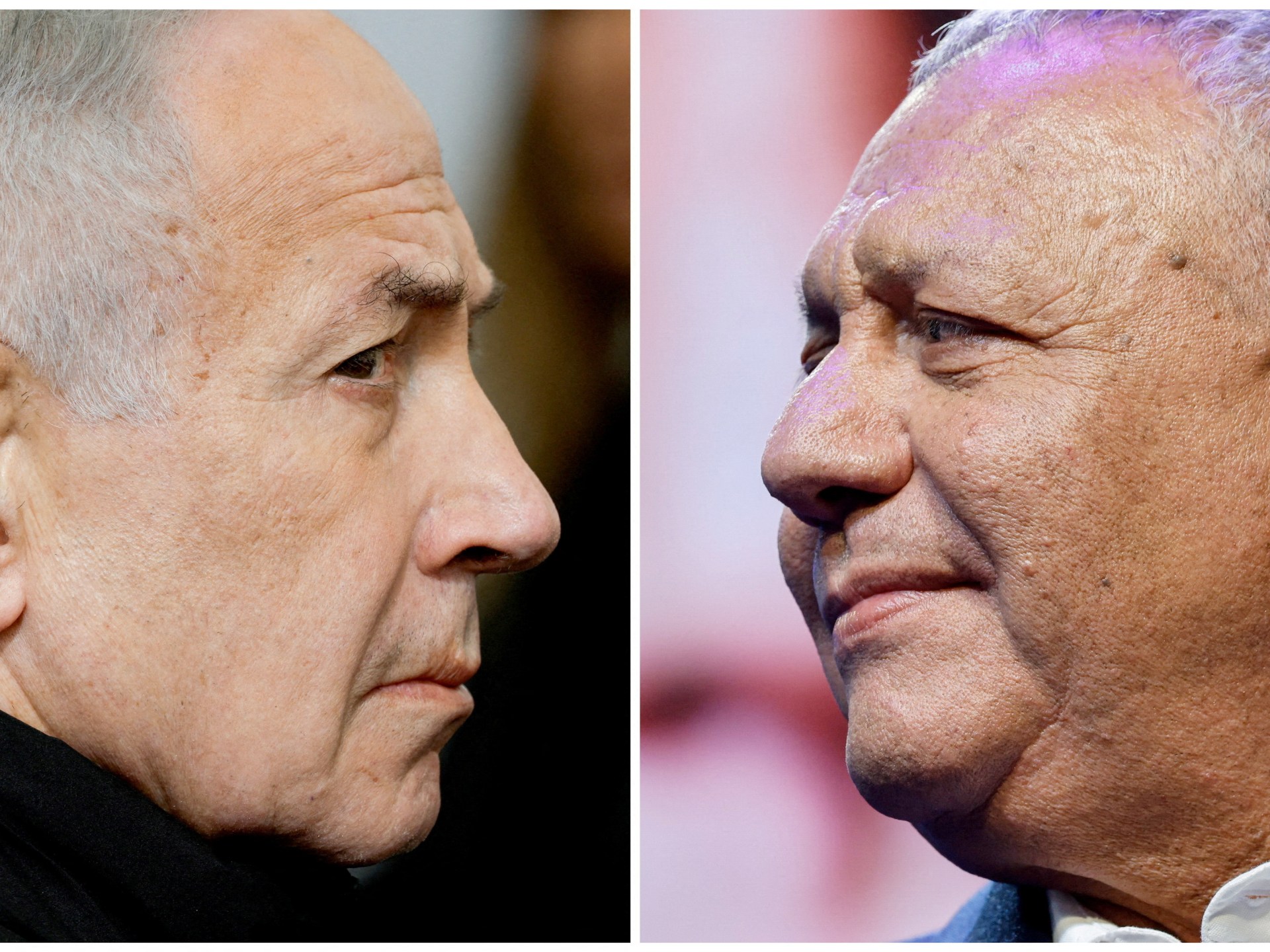
Israel’s election has left both Prime Minister Benjamin Netanyahu and his main rival, Gadi Eisenkot, short of a parliamentary majority, putting Arab-led parties at the center of coalition talks and a dispute over unproven claims of foreign interference.
Netanyahu’s bloc won 53 seats in the 120-member Knesset, while Eisenkot’s opposition bloc secured 48. The Joint List and Ra’am, two Arab party lists, won a combined 19 seats after a surge in turnout among Arab voters. A governing majority requires 61 seats.
The BBC reported that the final results confirmed the seat totals. Al Jazeera reported that the results remained subject to change until the Central Elections Committee certifies and announces them by Wednesday.
Eisenkot, who leads the Yashar party, met former Prime Minister Naftali Bennett, leader of the Together party, on Thursday to discuss forming a government “as quickly as possible,” according to a statement cited by Al Jazeera. He also met Democrats party chairman Yair Golan, who has supported a coalition with parties led by Palestinian citizens of Israel. Golan separately met Ra’am leader Mansour Abbas, whose party is projected to hold seven seats.
“This is a time for action. Our responsibility is not to miss the opportunity for change and the salvation of Israel,” Golan wrote on X after meeting Abbas.
Eisenkot and other members of his bloc have previously rejected entering a government with Arab-led parties, leaving a major obstacle to an opposition coalition. The BBC reported that a Hebrew University snap poll found the most popular option among voters from every opposition party was a minority government led by Eisenkot with Ra’am and supported from outside by the Joint List.
The coalition maneuvering comes as Netanyahu’s Likud party alleges Arab-led parties “stole” the election. Likud said voters had been bribed to support them, while Israeli media reported a claim that Qatar funded efforts to increase turnout in Arab communities. Qatar’s foreign ministry categorically denied the allegation, calling it “ridiculous and dangerous.” The Arab parties also rejected the claims.
Supreme Court Justice Noam Sohlberg, head of the Central Elections Committee, said he could not verify the “serious suspicions” of foreign interference brought to him but had asked the Shin Bet security agency to investigate. The BBC reported that the agency is examining whether the parties received illegal funding from Qatar and Turkey. Shin Bet later clarified that its inquiry did not implicate an entire community of voters. Acting committee director general Dean Livne said there was “no basis for allegations of systematic violations of election integrity.”
Eisenkot said it was “too early to determine what happened, or if anything happened at all,” and accused Netanyahu of an “orchestrated and organized campaign to delegitimize the election results.” Joint List politician Sami Abu Shehadeh called the allegations baseless and accused the losing side of seeking to overturn the vote.
The BBC identified three possible paths to a government: an Eisenkot-led administration supported by Arab parties, a unity government with Netanyahu, or a Netanyahu-led coalition joined by defectors from Eisenkot’s bloc. None has yet emerged.







Be First to Comment