Key takeaways:
- With more than 76% of votes counted as of 09:30 GMT Wednesday, Israeli media tallies cited by Al Jazeera projected 54 seats for Netanyahu’s bloc and 47 for Eisenkot’s; a majority requires 61.
- Election officials cited by NPR said turnout exceeded 77% and expected to finish counting ballots by Thursday afternoon.
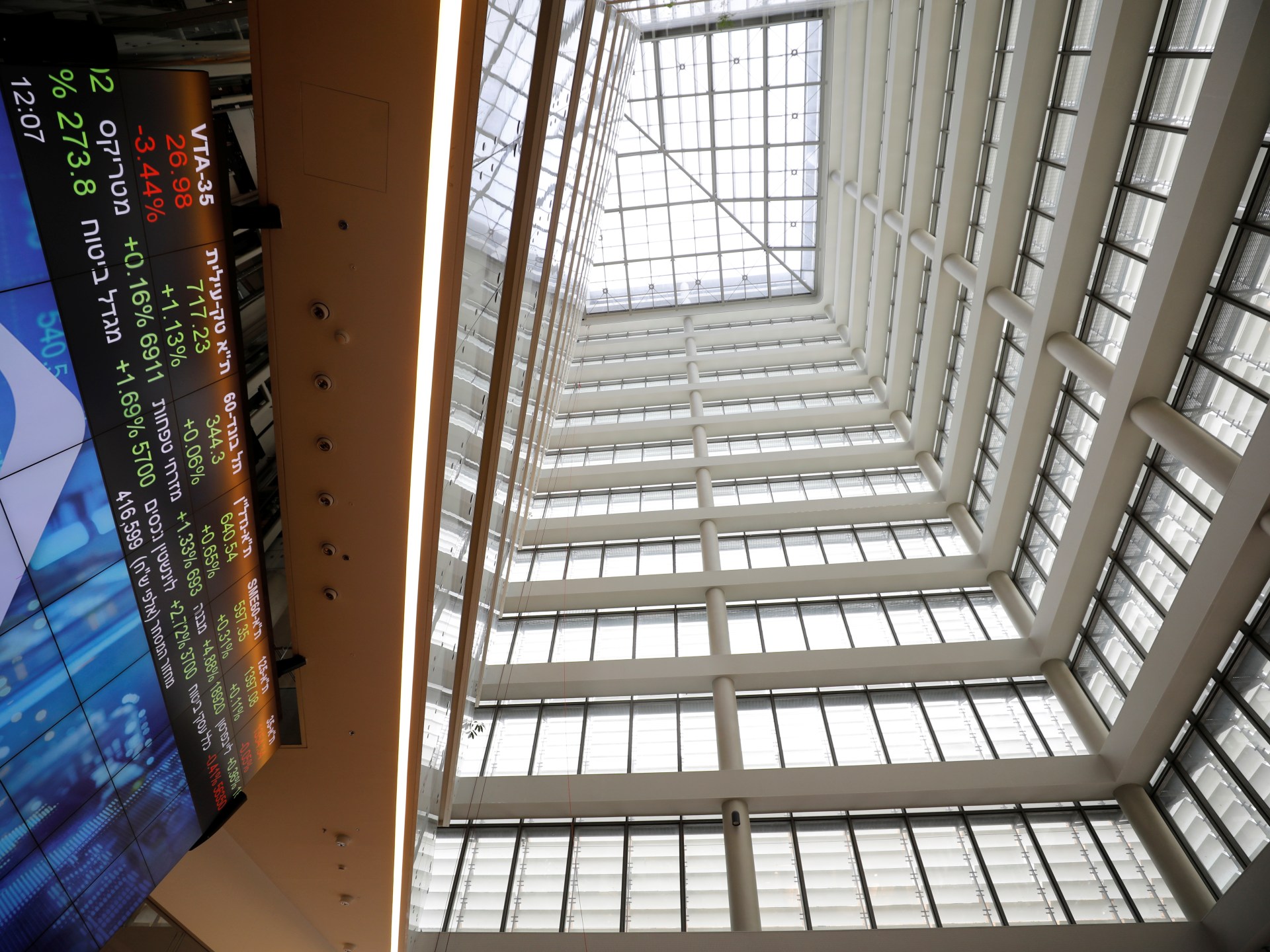
- Israel’s Tel Aviv 125 stock index fell as much as 3.5% in early Wednesday trading, Al Jazeera reported.
Partial results from Israel’s parliamentary election showed no clear winner Wednesday morning, with neither Prime Minister Benjamin Netanyahu’s right-wing bloc nor the opposition headed by Gadi Eisenkot on track for a majority.
Netanyahu led Eisenkot, a former military chief, in the partial official tally, NPR reported. With more than 76% of votes counted as of 09:30 GMT Wednesday, Israeli media tallies cited by Al Jazeera projected 54 seats for Netanyahu’s bloc and 47 for Eisenkot’s opposition bloc. A governing coalition needs 61 seats in the 120-member Knesset.
Both men hailed their early results Tuesday night. “We made history! The public has voted for change,” Eisenkot told supporters. Netanyahu said, “The right-wing bloc has a clear, decisive majority among the Zionist public.”
The uncertainty reached financial markets. Israel’s benchmark Tel Aviv 125 stock index fell as much as 3.5% in early Wednesday trading, Al Jazeera reported.
Election officials told NPR they expected to finish counting ballots, including hundreds of thousands cast by Israeli soldiers, by Thursday afternoon. Turnout Tuesday exceeded 77%, the highest in more than two decades, according to election officials cited by NPR. Tens of thousands of Israelis living abroad flew in to vote in the first election since the Oct. 7, 2023, Hamas-led attack and the war in Gaza.
After the count, whichever candidate comes out on top will get the first chance to assemble a coalition and will have six weeks to do so, NPR reported. If neither side succeeds, Netanyahu could remain caretaker prime minister and another election could be held next year.
Two Arab-led parties, the socially conservative United Arab List, also known as Raam, and the left-wing Joint List, could prove pivotal. Arab voters make up about 20% of Israel’s population. But Netanyahu, Eisenkot and his allies have resisted governing with the parties, NPR reported. Yair Golan, whose Democrats party is part of Eisenkot’s bloc, urged cooperation with them. “We have no future here if we don’t stop being afraid. And if we don’t stop with the racism,” he wrote on X.
The election followed years of war and deep disagreement over Netanyahu’s leadership. Hamas-led attackers killed nearly 1,200 people in Israel on Oct. 7, 2023, and took 251 hostages to Gaza. Israel’s subsequent military campaign has killed more than 74,000 Palestinians, according to Gaza’s Health Ministry, and left most of the territory destroyed. NPR reported that Israel faces genocide allegations and that Netanyahu faces an international arrest warrant over alleged war crimes.
Netanyahu’s supporters say the wars he has led in Gaza and across the region have restored Israel’s security. Other Israelis question his ability to protect them after the Oct. 7 attack, NPR reported. Eisenkot has promised more diplomacy and less extremism and has pledged not to join a Netanyahu-led government.
The political uncertainty comes as Israel’s economy grows. Government figures cited by Al Jazeera show gross domestic product rose 2.9% in 2025 and 3.2% in the first half of 2026. The Bank of Israel last week raised its 2026 growth forecast from 4% to 5.6% and projected 7.5% growth in 2027.









Be First to Comment